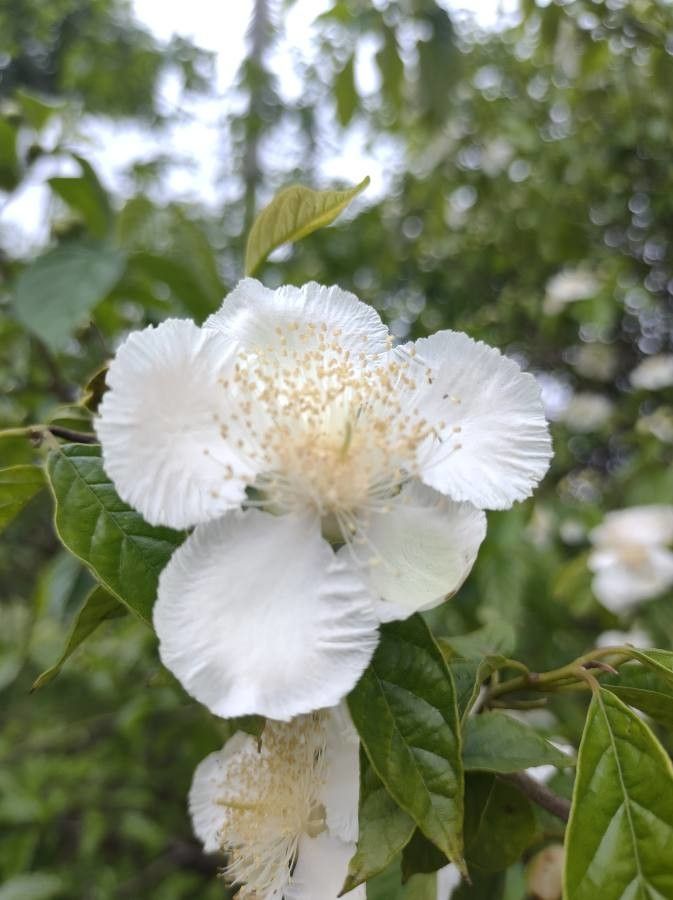
Oh, hello there! It’s wonderful to see you diving into the world of plant propagation. Today, we’re going to talk about a real gem: Campomanesia pubescens. You know, the one with those lovely fragrant leaves and often beautiful fruit – it’s a real treat for the senses and just a joy to have in the garden. Propagating it yourself feels like unlocking a little bit of magic, doesn’t it? I’ve found it to be a pretty rewarding process, and with a little know-how, it’s not as daunting as it might seem, even for those of you just starting out.
The Best Time to Start
For Campomanesia pubescens, just like many woody plants, the sweet spot for propagation is when the plant is actively growing but not stressed. I find late spring to early summer is usually your best bet. You want to take cuttings from semi-hardwood – that’s wood that’s flexible but not brand new, bright green growth. Think of it as being old enough to be sturdy, but still young enough to be eager to root.
Supplies You’ll Need
Here’s what I always have on hand when I’m getting ready to propagate:
- Sharp, sterilized pruning shears or a clean knife/razor blade. Crucial for clean cuts!
- A good quality potting mix for cuttings. I often use a blend of peat moss and perlite (about a 50/50 mix) or a commercial propagation mix. It needs to be well-draining.
- Rooting hormone. This is a lifesaver! I prefer a powder, but liquid works too.
- Small pots or trays with drainage holes. Yogurt containers with holes poked in the bottom can even work in a pinch!
- A dibber or a pencil to make planting holes.
- A plastic bag or a clear propagator lid to create a humid environment.
- A spray bottle with clean water.
Propagation Methods: Taking Stem Cuttings
This is usually the most successful method for Campomanesia pubescens.
- Select Your Cuttings: Look for healthy, vigorous, non-flowering stems. Aim for pieces that are about 4-6 inches long.
- Make the Cut: Using your sterilized shears, make a clean cut just below a leaf node (where a leaf attaches to the stem). This is where rooting hormones tend to work best. Remove any lower leaves, leaving just a few at the top. You can even trim the remaining leaves in half if they are very large, to reduce water loss.
- Apply Rooting Hormone: Dip the cut end of the stem into your rooting hormone, tapping off any excess.
- Plant Your Cuttings: Make a hole in your prepared potting mix with your dibber or pencil. Gently insert the cutting, making sure the nodes where you removed the leaves are buried. Lightly firm the soil around the base.
- Water Gently: Water the soil thoroughly but gently. You don’t want to wash away the rooting hormone or disturb the cutting.
- Create Humidity: Cover the pot with a plastic bag, securing it around the rim, or place it in a propagator with a lid. This creates that essential humid environment that helps prevent the cuttings from drying out. You can prop the bag up with a couple of small sticks so it doesn’t touch the leaves.
The “Secret Sauce” (Pro Tips)
Here are a couple of things I’ve learned over the years that really make a difference:
- Bottom Heat is Your Friend: If you have a propagation mat or can place your pots on a slightly warm surface (like near a router or over a gently warmed appliance), do it! A gentle warmth from the bottom stimulates root development like nothing else. Just don’t let it get too hot – lukewarm is perfect.
- “Air Layering” for the Impatient: If you’re finding cuttings tricky or just want to try another approach, you can try air layering on a more mature branch while it’s still attached to the parent plant. Make a small cut on a healthy stem, wrap it with moist sphagnum moss, and then cover that with plastic wrap and foil. Roots will form, and you can then cut the rooted section and plant it. It takes longer, but it’s a fail-safe for some plants!
Aftercare & Troubleshooting
Once your cuttings are planted, give them a bright spot, but avoid direct, harsh sunlight, which can scorch them. Keep the soil consistently moist, but never waterlogged. You can give the leaves a light misting every few days to maintain humidity.
How do you know they’re rooting? Well, it takes patience! You might see some new leaf growth, which is a good sign. You can also give the cutting a very gentle tug; if there’s resistance, roots are forming. This can take anywhere from 4 weeks to a few months.
The most common sign of trouble is rot. If your cuttings turn black and mushy, it’s usually a sign of too much moisture and not enough air circulation. In this case, sadly, they’re usually beyond saving. Ensure your mix is airy and that the humidity isn’t too high if you see this happening.
And Finally, A Little Encouragement
Propagating any plant is a journey. Some will thrive, some might not make it, and that’s perfectly okay. The most important thing is to enjoy the process, learn from each attempt, and celebrate the successes. You’re nurturing new life, and there’s something truly special about that. Happy propagating!
Resource: