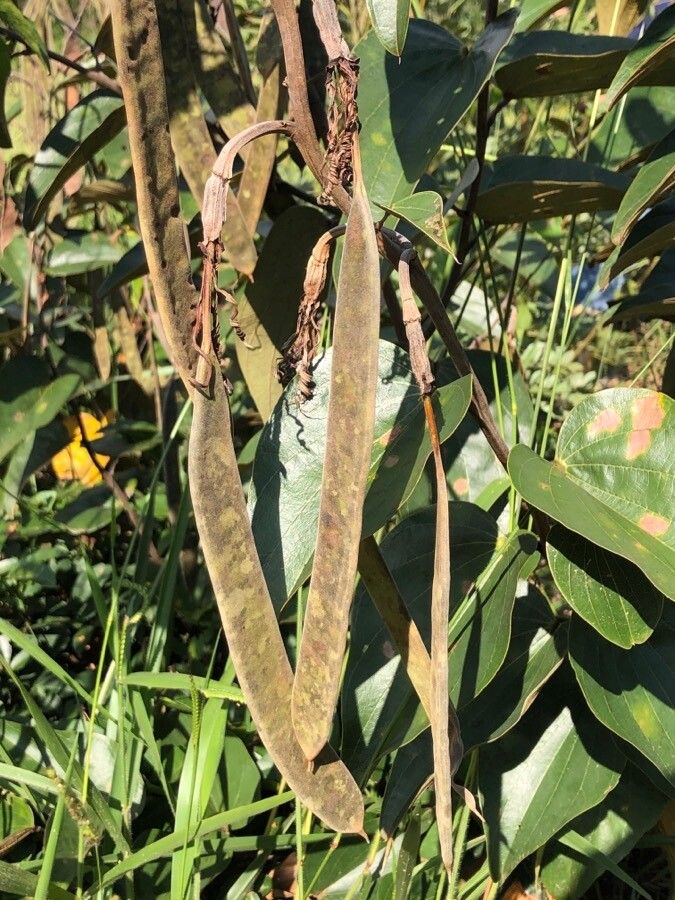
Hello, fellow plant lovers! Today, I want to talk about a plant that truly sparks joy for me: Bauhinia holophylla. You might know it by its common name, the butterfly tree, for those stunning, orchid-like blossoms that drip with color. Watching a Bauhinia burst into bloom is simply magical. And the best part? You can fill your garden with these beauties by propagating them yourself!
Now, if you’re a beginner eyeing this plant, I wouldn’t call Bauhinia holophylla the absolute easiest for a first-timer, but it’s far from impossible. With a little patience and the right approach, you’ll be rewarded with lots of new plants. It’s a journey worth taking!
The Best Time to Start
For the highest success rate, I like to get my propagation started in the late spring or early summer. This is when the plant is actively growing, which means it has more energy to put into developing roots. You’re looking to take cuttings from semi-hardwood stems. These are those bits that are no longer brand new and floppy, but also not old and woody. They have a bit of flex to them – that’s your sweet spot!
Supplies You’ll Need
Ready to get your hands dirty? Here’s what you’ll want to have on hand:
- Sharp, clean pruning shears or a sharp knife: Essential for making clean cuts.
- Rooting hormone powder or gel: This stuff gives your cuttings a real boost.
- A well-draining potting mix: I usually use a blend of peat moss, perlite, and a bit of sand. Some growers swear by a coir-based mix too.
- Small pots or seedling trays: Clean ones are key to preventing disease.
- Clear plastic bags or a propagation dome: This creates a humid environment for your cuttings.
- Spray bottle with water: For misting.
- Optional: A heat mat: For an extra bit of warmth to encourage rooting.
Propagation Methods
Let’s dive into how we can coax new life from your Bauhinia. Stem cuttings are generally the most successful method for this plant.
Stem Cuttings
- Select your stems: Look for those semi-hardwood stems I mentioned earlier. Aim for cuttings that are about 4-6 inches long.
- Make the cut: Using your sharp shears or knife, make a clean cut just below a leaf node. This is where roots are most likely to emerge. Remove any flowers or buds; we want that energy directed into root growth, not reproduction just yet.
- Prepare the cutting: Gently remove the leaves from the bottom half of the cutting. You can leave a couple of leaves at the top, but trim them in half if they’re very large to reduce water loss.
- Apply rooting hormone: Dip the bottom inch of the cutting into your rooting hormone. Tap off any excess.
- Plant your cuttings: Fill your small pots or trays with your prepared potting mix. Make a small hole with your finger or a pencil and insert the cutting. Gently firm the soil around it.
- Create humidity: Water the soil lightly until it’s moist but not soggy. Then, cover the pot with a clear plastic bag or place it under a propagation dome. Make sure the leaves aren’t pressing against the plastic.
- Find a good spot: Place the pots in a bright location but out of direct, hot sunlight. Consistent warmth is beneficial.
Water Propagation (Less common for Bauhinia, but worth a try for smaller sprigs)
If you have a very young, tender shoot, you might have some luck with water propagation.
- Prepare the cutting: Take a 3-4 inch cutting, remove lower leaves.
- Place in water: Put the cutting in a jar or glass of distilled or filtered water.
- Change the water: Change the water every few days to keep it fresh and prevent bacterial growth.
- Keep in bright location: Place in bright, indirect light.
- Root development: You’ll be looking for tiny white roots to appear. Once they are about an inch long, you can try transplanting them into soil. This method can be trickier for Bauhinia as they are more prone to rot if the stem stays submerged too long.
The “Secret Sauce” (Pro Tips)
Here are a couple of things I’ve learned over the years that make a big difference:
- Don’t let the leaves touch the water! This is crucial whether you’re potting them or trying water propagation. Leaves sitting in moisture will rot, and that’s a quick way to lose your cutting before it even has a chance.
- Bottom heat is your friend. If you can, place your pots on a gentle heat mat. This mimics the warmth of the soil when a plant is naturally rooting underground, and it drastically speeds things up and improves success rates.
- Cleanliness above all else. I can’t stress this enough. Always use sterilized tools and pots. Even a tiny bit of fungus or bacteria can spell disaster for vulnerable cuttings.
Aftercare & Troubleshooting
Once you see signs of new growth – tiny leaves unfurling or resistance when you gently tug on the cutting – that means roots are forming!
- Acclimatize slowly: Begin to gradually open the plastic bag or dome over a week or two to let the new plant get used to normal humidity levels.
- Water carefully: Keep the soil consistently moist but not waterlogged. Overwatering is the most common killer of new cuttings.
- Potting up: Once your plant has a healthy root system and a few good leaves, it’s ready to be moved into a slightly larger pot.
What if things go wrong? The most common issue is rot. If your cutting turns black and mushy, it’s likely rotted. This usually means too much moisture, not enough airflow, or a lack of sterile conditions. If you suspect rot, it’s best to discard it and start fresh, learning from the experience. Wilting can also happen, but if you’ve maintained humidity, it’s usually temporary, especially if other signs of life are present.
A Encouraging Closing
Propagating plants is a process of hope and patience. There’s a unique satisfaction in nurturing a tiny cutting into a thriving plant. Don’t be discouraged if your first few attempts aren’t perfect. Each time you try, you learn a little more. So, grab your shears, get your hands in the soil, and enjoy the journey of growing more of these magnificent butterfly trees. Happy propagating!
Resource:
https://identify.plantnet.org/k-world-flora/species/Bauhinia%20holophylla%20(Bong.)%20Steud./data