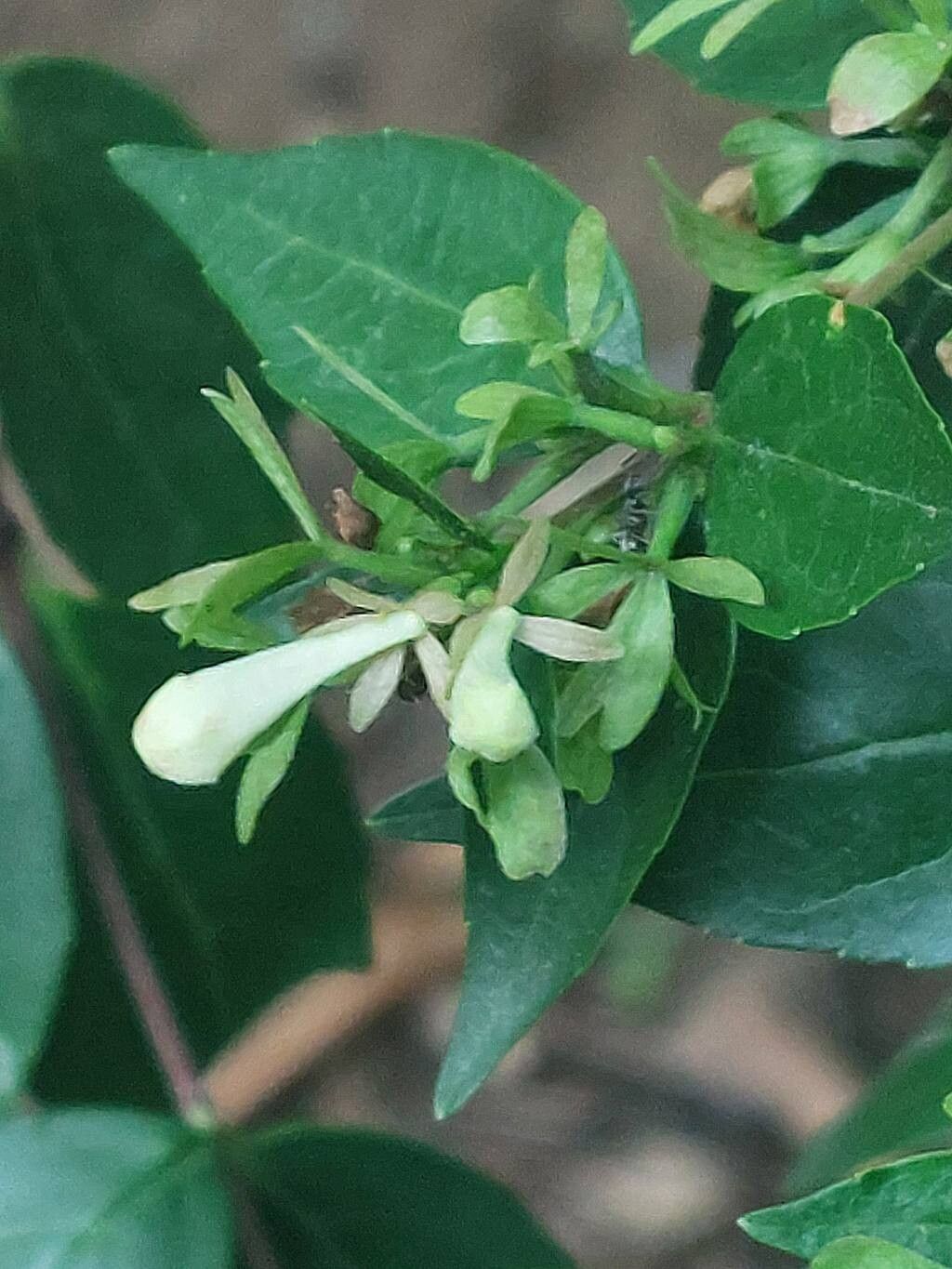
Oh, Abelia chinensis! If you’ve ever admired that cascade of delicate, fragrant blossoms and longed to fill your garden with more of its charm, you’re in for a treat. Propagating this beauty is a wonderfully rewarding project, and I’m here to walk you through it. It’s a plant I’ve worked with for years, and I find it wonderfully cooperative. For beginners, it’s quite approachable!
The Best Time to Start
When it comes to Abelia chinensis cuttings, timing is everything. The sweet spot is late spring to early summer, just as the new growth is becoming a little firm but still flexible. This is when the plant has plenty of energy stored up from the spring growth spurt, giving your cuttings the best chance to root. You can also try in late summer, taking cuttings from semi-hardened wood.
Supplies You’ll Need
Before we get our hands dirty, let’s gather our supplies:
- Sharp pruning shears or a clean knife: For taking precise cuttings.
- Rooting hormone (optional, but recommended): Encourages faster root development. Look for one with IBA.
- Small pots or seed trays: Clean ones, please!
- A well-draining potting mix: I like a 50/50 mix of perlite and peat moss or coco coir for cuttings. A commercially available seed-starting mix works well too.
- Plastic bags or a propagator lid: To create a humid environment.
- A spray bottle: For misting.
- Labels: So you don’t forget what’s what!
Propagation Methods
Let’s get these little Abélias started!
Stem Cuttings
This is my go-to method for Abelia chinensis.
- Take your cuttings: Select healthy, non-flowering shoots. Look for stems that snap cleanly when bent slightly. Cut sections that are about 4-6 inches long. Make your cut just below a leaf node (where a leaf attaches to the stem).
- Prepare the cuttings: Remove the lower leaves, leaving just a couple at the very top. This prevents them from rotting in the soil or water.
- Apply rooting hormone: If you’re using it, dip the cut end of the stem into the rooting hormone, tapping off any excess.
- Plant the cuttings: Fill your clean pots with your potting mix. Make a hole with your finger or a pencil and insert the cutting, firming the soil gently around it. Make sure at least one leaf node is buried under the soil line.
- Water gently: Water thoroughly until water drains from the bottom of the pot.
- Create humidity: Cover the pot loosely with a plastic bag or place a propagator lid over the tray. This keeps the humidity high, which is crucial for cuttings that can’t yet absorb water through roots. Place them in a bright spot, but out of direct sunlight.
Water Propagation (for the patient observer)
This is a more visual method, great for seeing root development.
- Prepare cuttings: Follow steps 1 and 2 from the stem cutting method.
- Place in water: Fill a clean jar or glass with room-temperature water. Place the cuttings in the water, ensuring the leaf nodes are submerged but the leaves are not.
- Change water regularly: Change the water every few days to keep it fresh and prevent rot.
- When to pot up: Once you see small roots, about an inch long, you can carefully transplant them into pots with potting mix, following step 4 from the stem cutting method. Be extra gentle with these young roots.
The “Secret Sauce” (Pro Tips)
Here are a few little tricks that have served me well over the years:
- Don’t let those leaves touch the water! This is so important for water propagation. Submerged leaves are a prime spot for rot and fungal issues. Keep them high and dry.
- Bottom heat is your friend: If you have a heat mat designed for seedlings, placing your pots on it can significantly speed up root formation. It mimics the warmth of spring soil.
- A light misting is better than a drenching: While humidity is key, oversaturating the foliage can still encourage fungal diseases. A gentle mist from your spray bottle a couple of times a day is usually sufficient.
Aftercare & Troubleshooting
Once you see new growth emerging from your cuttings, it’s a good sign that roots are forming!
- Gradually acclimatize: If you’ve used a plastic bag or propagator, start to open it up gradually over a few days to get the new plants used to normal humidity levels.
- Watering: Keep the soil consistently moist but not soggy. Let the top inch of soil dry out slightly before watering again.
- Troubleshooting: The most common issue is rot. If your cuttings turn black and mushy, they’ve likely rotted. This usually happens from too much moisture or poor drainage. Discard them and start again, making sure your soil is well-draining and you aren’t overwatering. If they just shrivel up and don’t root, they might be too dry or not getting enough humidity.
A Gentle Encouragement
Propagating plants is a practice in patience and observation. Don’t be discouraged if your first few attempts aren’t perfect. Each cutting you take is a future plant waiting to happen, a little piece of your garden that can be shared. Enjoy the process, watch for those tiny roots, and soon you’ll have more of that lovely Abelia chinensis to fill your world with its sweet scent. Happy gardening!
Resource:
https://identify.plantnet.org/k-world-flora/species/Abelia%20chinensis%20R.Br./data