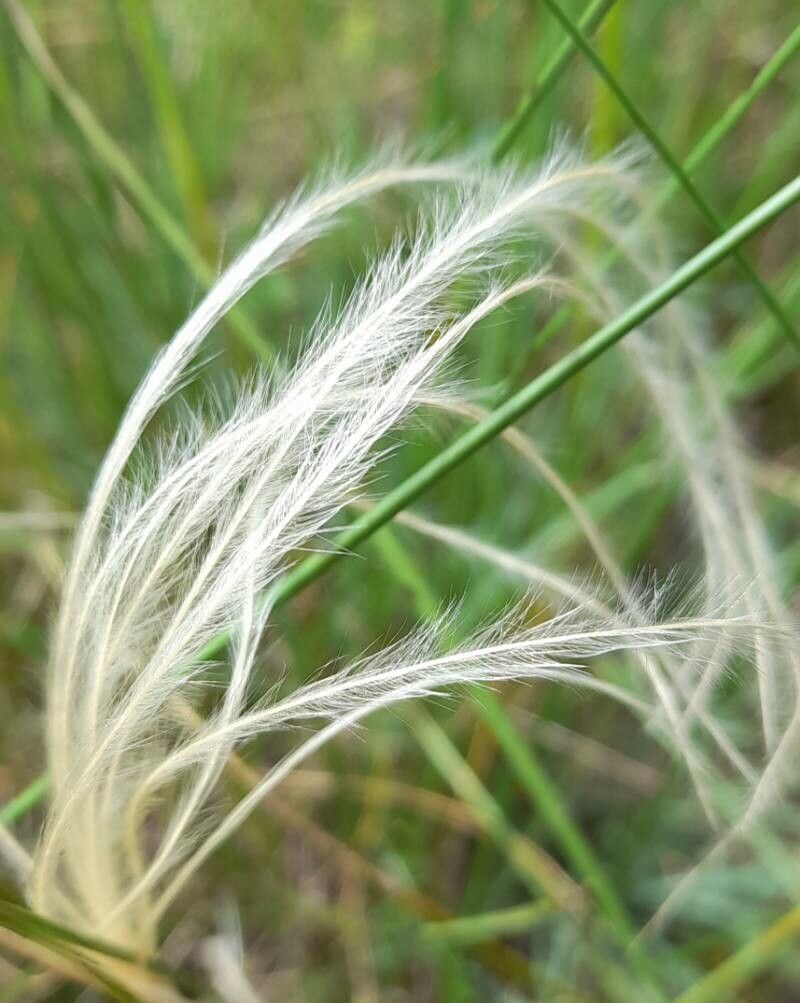
Oh, hello there! Come on in, grab a mug. I’m so glad you’re interested in Stipa pennata. If you’ve ever seen this magnificent grass swaying in the breeze, its feathery plumes catching the light, you know its charm. It’s truly one of nature’s most elegant sculptures, and coaxing new plants from existing ones is one of my favorite gardening joys. While it’s not quite as straightforward as some of the common houseplants, with a little patience and these tips, you’ll be well on your way to filling your garden or pots with more of this beauty.
The Best Time to Start
For Stipa pennata, I find early spring, as soon as the risk of hard frost has passed, is the absolute sweet spot. This is when the plant is really waking up, full of vigor, and ready to put its energy into establishing new roots. You can also have success with late summer, giving the new divisions or seedlings time to settle in before winter, but spring usually yields the most robust results.
Supplies You’ll Need
Before we get our hands dirty, let’s gather our tools. Having everything ready makes the process so much smoother.
- Sharp pruning shears or a clean knife: For making clean cuts.
- A well-draining potting mix: I usually go for a mix of coarse sand, perlite, and a good quality potting soil. The key is to let water drain away quickly. You can also buy specific cactus and succulent mixes that work wonderfully.
- Small pots or seed trays: For your new little treasures. Make sure they have drainage holes!
- Rooting hormone (optional but helpful): This can give your cuttings a real boost.
- A watering can with a fine rose: For gentle watering.
- A label and pen: To keep track of what you’ve planted and when.
Propagation Methods
Stipa pennata is primarily propagated through division, which is by far the easiest and most rewarding method for home gardeners.
Division: The Gentle Split
This is like giving your Stipa a haircut and a roommate!
- Dig Carefully: In early spring, gently dig up your Stipa pennata plant. Try to get as much of the root ball as you can.
- Inspect the Roots: Shake off some of the excess soil. You’re looking for distinct clumps or crowns.
- Separate Gently: You can often pull the plant apart with your hands. If it’s a bit stubborn, use your sharp knife or pruning shears to make clean cuts through the root ball and stems, ensuring each new division has a good amount of roots and at least a few healthy shoots.
- Replant Immediately: Pot up your divisions into their new homes. Use that well-draining mix. Water them in gently, but don’t drench them.
The “Secret Sauce” (Pro Tips)
Now for a couple of things I’ve learned over the years that really make a difference.
- Don’t Overcrowd the Water: If you were tempted to try water propagation (which I generally discourage for Stipa due to rot risk), never let the foliage sit in the water. It needs to breathe! If you’re doing cuttings, treat them like terrestrial plants from the start.
- Embrace Bottom Heat: If you can provide a little warmth from below for your divisions or any experimental cuttings, it makes a world of difference. A heat mat designed for seedlings can encourage faster root development. It’s like a cozy blanket for your new plants.
- Embrace Imperfection: Not every division will take. That’s just part of gardening! Don’t get discouraged. Learn from it and try again. The most successful propagation often comes from plants that are healthy and growing robustly.
Aftercare & Troubleshooting
Once your divisions are planted, give them a little TLC.
Keep the soil lightly moist, but never soggy. It’s better to let the top inch of soil dry out between waterings. Watch for signs of stress. If the leaves start to yellow and wilt excessively, it could be a sign of too much water (rot is the enemy!) or not enough. If they look crisp and dry, they might need a bit more attention with the watering can. Healthy new growth is your best indicator that things are going well.
A Encouraging Closing
So there you have it! Propagating Stipa pennata is a wonderful way to expand your collection or share the beauty of these feathery grasses with friends. Be patient with yourself and the process. Gardening is a journey, and every new plant is a little victory. Enjoy watching your new Stipa pennata take root and flourish!
Resource:
https://identify.plantnet.org/k-world-flora/species/Stipa%20pennata%20L./data