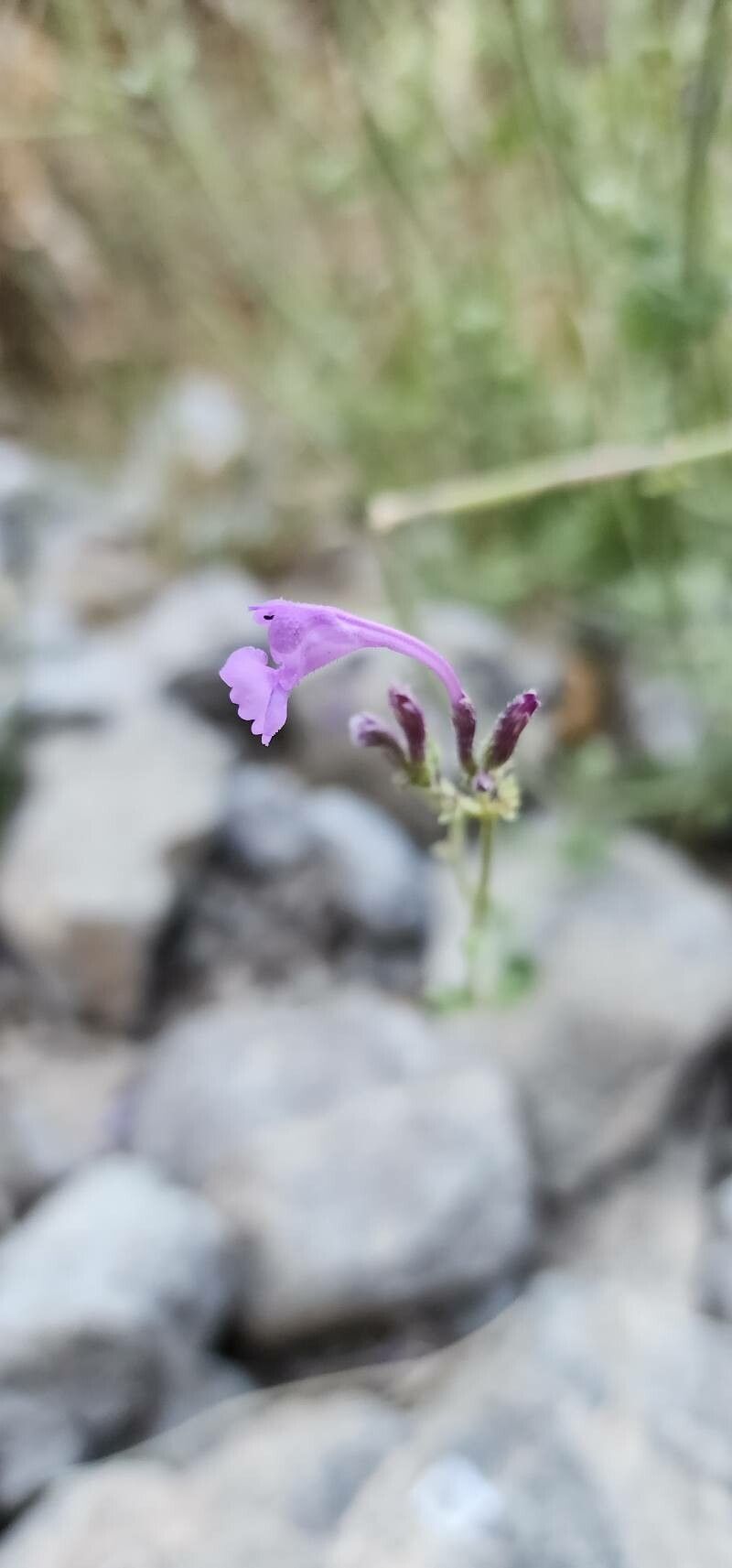
Hey there, fellow garden enthusiasts! If you’ve ever strolled past a patch of Nepeta macrosiphon, you’ve likely been captivated by its airy spikes of delicate, lavender-blue flowers and its wonderfully aromatic foliage. This delightful herb, often called Persian catmint or large-flowered catmint, adds such a lovely touch to borders, containers, and even herb gardens. And guess what? Propagating it is a truly rewarding endeavor, and I’m happy to share that it’s quite beginner-friendly! You’ll soon be surrounded by even more of this beauty.
The Best Time to Start
For the highest success rate with Nepeta macrosiphon, I find that the late spring to early summer is absolutely prime time. This is when the plant has put on a good bit of growth and is generally very vigorous. You’re looking for stems that are actively growing but not yet flowering. Alternatively, you can also propagate from softwood cuttings taken in early spring before the plant really gets going.
Supplies You’ll Need
Gathering your supplies beforehand makes the whole process so much smoother. Here’s what I usually have on hand:
- Sharp pruning shears or a clean knife: For taking clean cuts.
- Small pots or seed trays: About 3-4 inches in size work well.
- A good quality potting mix: I like a blend of peat moss, perlite, and a little bit of compost. Something that drains well is key!
- Rooting hormone powder or gel: This isn’t strictly essential for Nepeta as it roots fairly readily, but it can give you a nice boost.
- A watering can with a fine rose attachment: For gentle watering.
- Plastic bags or a propagator lid: To create a humid environment.
- Optional: Heating mat: For bottom heat, which can speed things up.
Propagation Methods
Nepeta macrosiphon is quite adaptable, but here are a couple of my favorite, most reliable methods:
Stem Cuttings
This is my go-to for getting lots of new plants.
- Take your cuttings: In late spring or early summer, select healthy, non-flowering stems from your mature plant. Using your sharp shears, take cuttings that are about 4-6 inches long. Make the cut just below a leaf node (where a leaf attaches to the stem).
- Prepare the cuttings: Gently strip off the lower leaves, leaving about 2-3 leaves at the top for photosynthesis. If your cuttings are very long, you can halve the remaining leaves to reduce water loss.
- Apply rooting hormone: Dip the cut end of each cutting into your rooting hormone, tapping off any excess.
- Plant the cuttings: Fill your small pots or trays with your well-draining potting mix. Make a hole with your finger or a pencil and insert the prepared cutting, pushing it down deep enough so that the stripped part of the stem is buried. Gently firm the soil around it.
- Water and cover: Water the pots thoroughly but gently with your fine-rose watering can. Then, cover the pots with a plastic bag or a propagator lid. This creates a mini-greenhouse effect, keeping the humidity high, which cuttings love. You can secure the bag with a rubber band around the pot.
Water Propagation
This might be the simplest method, and it’s quite satisfying to watch the roots develop!
- Take your cuttings: Follow step 1 from the stem cutting method.
- Prepare the cuttings: Remove all the leaves from the bottom half of the cutting.
- Place in water: Find a clean jar or glass and fill it with fresh water. Place your prepared cuttings in the water, ensuring that no leaves are submerged. Leaves in water will rot and can take your cutting down with them.
- Position and wait: Place the jar in a bright spot but out of direct, scorching sunlight. Change the water every few days to keep it fresh and oxygenated. You should start to see tiny white roots appearing in a few weeks.
The “Secret Sauce” (Pro Tips)
These little tricks are things I’ve learned over the years that really make a difference.
- Don’t be afraid to make lots of cuttings! Not every one will take, so the more you start, the higher your chances of success. It’s better to have too many than too few.
- Bottom heat is your friend. If you have a heating mat, placing your pots on it can significantly speed up root development, especially in cooler conditions. It just gives those little root cells a gentle nudge to get going.
- Mist those cuttings! Even with a cover on, a light misting of water every day or two can help keep the foliage turgid and happy, especially if your home is dry.
Aftercare & Troubleshooting
Once you see new, vigorous growth on your cuttings, or a good network of roots developing (you can gently tug on a cutting to feel resistance), it’s time to give them a little more freedom.
Carefully remove the plastic cover or take the cuttings out of the water and pot them into your well-draining potting mix as described in the stem cutting method. Continue to keep them in a bright spot, but avoid direct, harsh sun for the first week or two until they are established. Water them when the top inch of soil feels dry.
The main thing to watch out for is rot. If your cuttings look mushy, wilted, and have a blackening stem, it’s a sign of too much moisture and not enough air circulation. If this happens, sadly, you’ll likely need to discard them and try again. It’s a good reminder to ensure your soil is always well-draining and to avoid overwatering.
A Encouraging Closing
Propagating Nepeta macrosiphon is a wonderfully accessible way to multiply your garden’s beauty. Be patient with the process; nature has its own rhythm. Enjoy watching those little roots emerge and nurture your new plants. Before you know it, you’ll have a whole new array of fragrant, floral delights to share or enjoy yourself. Happy propagating!
Resource:
https://identify.plantnet.org/k-world-flora/species/Nepeta%20macrosiphon%20Boiss./data