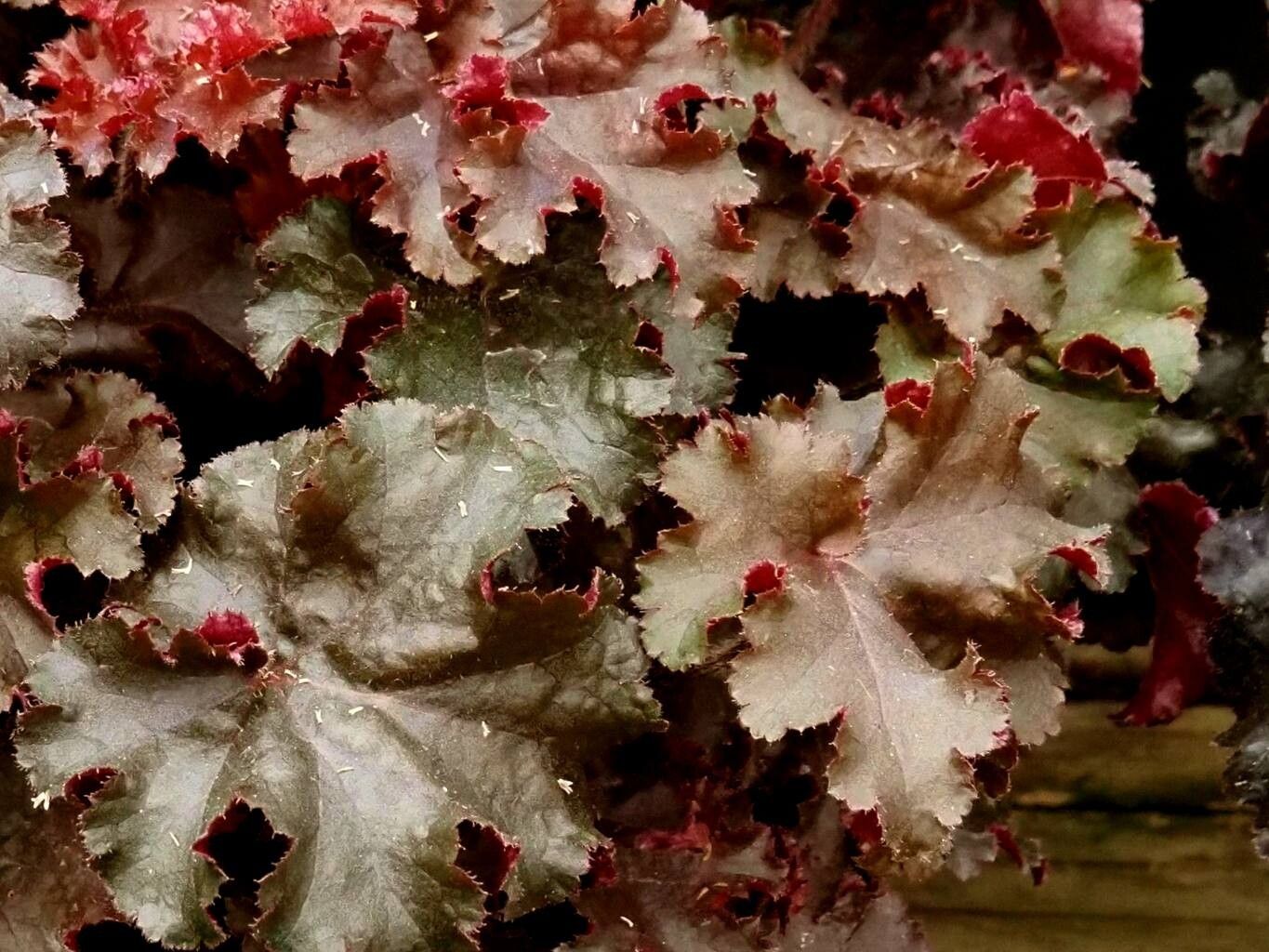
Oh, Heuchera! My Coral Bells, as they’re often affectionately called, are such a delight. Their delicate, bell-shaped flowers dancing on thin stems above a carpet of gorgeous foliage – it’s no wonder they’re a staple in so many gardens. What’s even better? They’re surprisingly forgiving and quite rewarding to propagate. If you’re a beginner, you’ll be happy to know that Heuchera sanguinea is generally quite an easy plant to get started with.
The Best Time to Start
For the highest success rate, I find that the spring or early summer is absolutely prime time. This is when the plant is really bursting with new growth and has plenty of energy. Waiting until after the initial flush of spring growth, when the stems are starting to elongate, is ideal. You want to catch them at a stage where they’re actively growing, not when they’re stressed or going into dormancy.
Supplies You’ll Need
Here’s what I usually have on hand when I’m propagating:
- Sharp pruning shears or a clean knife: For making nice, clean cuts.
- Rooting hormone powder or gel: Not strictly essential for all Heucheras, but it can give an extra boost.
- A well-draining potting mix: Something light and airy is best. A mix of peat moss, perlite, and a bit of compost works wonders.
- Small pots or trays: Clean ones, of course!
- Plastic bags or a clear dome: To create a humid environment.
- Water: For misting and, potentially, for water propagation.
- Labels: To keep track of what you’ve planted!
Propagation Methods
There are a couple of methods that work wonderfully for Heuchera sanguinea. I usually opt for one of these two:
Stem Cuttings
This is my go-to method, and it’s incredibly satisfying.
- Select your material: Look for healthy, non-flowering stems that are about 3-4 inches long. These are often called “primocanes” or “runners.”
- Make the cut: Using your clean shears, make a clean cut just below a leaf node. A node is where a leaf attaches to the stem.
- Prepare the cutting: Gently remove the lower leaves, leaving only the top couple of leaves. If the leaves are very large, you can snip them in half to reduce water loss.
- Dip in rooting hormone: If you’re using it, dip the cut end into the rooting hormone, tapping off any excess.
- Plant the cutting: Stick the cutting into your prepared, moist potting mix. Make sure the node where you removed the leaves is buried slightly in the soil.
- Create humidity: Gently water it in, then cover the pot with a plastic bag or a clear dome to maintain high humidity. You can prop the bag up with a skewer or two so it doesn’t touch the leaves.
Division
This is more like giving your existing plant a haircut and a chance to multiply.
- Gently lift the plant: In spring or early summer, carefully dig up your Heuchera plant.
- Clean off the soil: Gently shake or rinse away most of the soil so you can clearly see the root structure and the crown.
- Identify natural breaks: You’ll often see natural divisions where new crowns have formed.
- Separate the divisions: Using your hands or a clean, sharp knife, gently pull or cut apart the divisions. Each piece should have some roots and at least one healthy crown with leaves.
- Replant: Immediately replant your divisions into prepared pots or back into the garden, watering them in well.
The “Secret Sauce” (Pro Tips)
After years of tinkering, I’ve picked up a few tricks that seem to make all the difference:
- Skip the direct sun: Once you’ve taken cuttings, place them in a spot with bright, indirect light. Too much sun will scorch those precious new leaves.
- Watch the moisture, not just the soil: Beyond keeping the potting mix consistently moist, I like to lightly mist the leaves of my cuttings every couple of days. This helps prevent them from drying out while they’re trying to root.
- Bottom heat is your friend: If you have a heating mat, these cuttings absolutely love a little gentle warmth from below. It really encourages root development and speeds things up considerably.
Aftercare & Troubleshooting
Once you start to see new leaf growth appearing on your cuttings, that’s a fantastic sign that roots are forming! At this point, you can gradually acclimate them to less humid conditions by slowly opening up the plastic bag or dome over a few days. Continue to keep the soil consistently moist but not soggy.
The most common sign of trouble is rot. If your cuttings turn mushy and black, it’s usually a sign of too much moisture and not enough air circulation. This can also happen if the potting mix is too dense. If you see signs of rot, unfortunately, that cutting is likely lost, but don’t despair – try again with fresh material and adjust your watering and drainage.
A Encouraging Closing
Propagating Heuchera sanguinea is such a lovely way to expand your collection or share these beauties with friends. Don’t be discouraged if your first attempts aren’t perfect. Gardening is all about learning and observing. Be patient, enjoy the process of nurturing these tiny new plants, and celebrate every little sign of success. Happy propagating!
Resource:
https://identify.plantnet.org/k-world-flora/species/Heuchera%20sanguinea%20Engelm./data