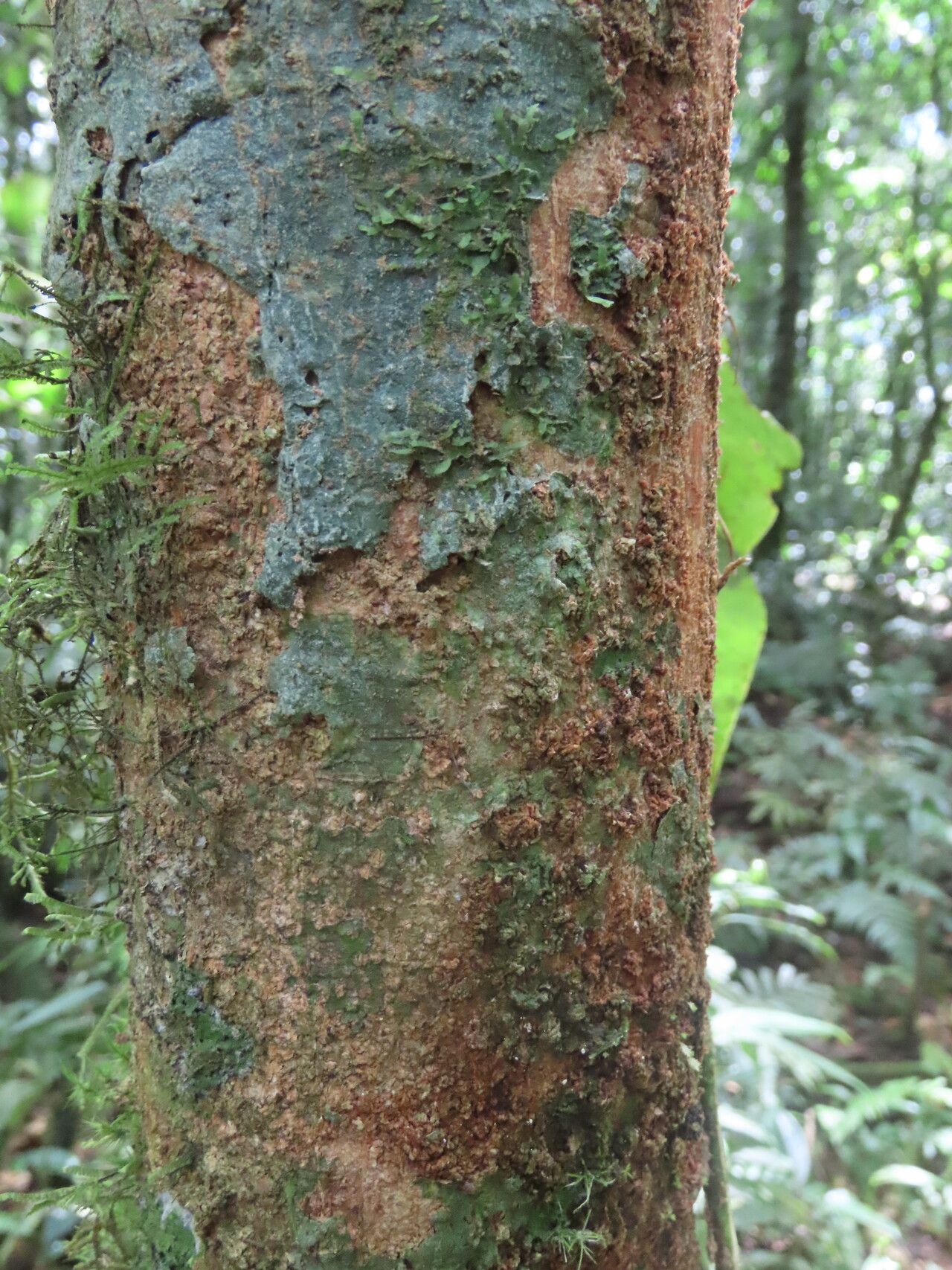
Hey there, fellow plant lovers! It’s so good to connect with you again. Today, we’re diving into something a little special, a plant that captures the imagination with its delicate charm: Erythroxylum fimbriatum.
Unveiling the Beauty of Erythroxylum fimbriatum
I’ve been drawn to Erythroxylum fimbriatum for years. Its intricate, fringed leaves are truly a work of art, and its subtle beauty brings an instant touch of elegance to any collection. Watching a tiny cutting unfurl its first new leaf feels like witnessing a little miracle. It’s a plant that rewards your patience and attention tenfold. Now, I won’t sugarcoat it – propagating Erythroxylum fimbriatum can be a touch more involved than, say, a pothos. It’s a journey that might test your beginner’s nerves a tad, but with a little guidance, you’ll find the rewards incredibly sweet.
When is the Best Time to Get Started?
Timing is everything in the garden, and for propagating Erythroxylum fimbriatum, spring and early summer are your golden windows. This is when the plant is actively growing, full of vigor, and best equipped to put its energy into developing roots rather than just trying to survive. You’re looking for healthy, new growth – not the brand-new, bright green shoots that are still quite soft, but rather the slightly more mature, yet still flexible, stems.
Gathering Your Propagation Toolkit
Before we get our hands dirty, let’s make sure we have everything we need. A little preparation goes a long way!
- Sharp Pruning Shears or a Craft Knife: Cleanliness is key to preventing disease, so make sure your cutting tool is sharp and sterilized.
- Rooting Hormone Powder or Gel: This isn’t strictly mandatory, but it can significantly boost your success rate, especially with fussier plants like this. Look for one formulated for softwood or semi-hardwood cuttings.
- A Well-Draining Potting Mix: I usually lean towards a peat-free mix combined with perlite or coarse sand in equal parts. This ensures good aeration and prevents waterlogging.
- Small Pots or Propagation Trays: Whatever you choose, ensure they have drainage holes.
- Clear Plastic Bags or a Propagation Dome: This will create a humid microclimate, which is crucial for keeping your cuttings from drying out.
- A Small Watering Can or Mister: For gentle hydration.
Let’s Get Propagating: Stem Cuttings!
For Erythroxylum fimbriatum, I find that stem cuttings offer the most reliable path to success. It’s a method that allows us to take a piece of the parent plant and encourage it to form its own roots.
- Select Your Cutting: Look for a healthy stem that is about 4-6 inches long. It should have at least two to three sets of leaves. Avoid woody or overly soft, new growth.
- Make the Cut: Using your sterilized shears, make a clean cut just below a leaf node (where a leaf attaches to the stem). This is where the magic of root formation often begins.
- Prepare the Cutting: Gently remove the leaves from the bottom half of the cutting. If the remaining leaves are very large, you can carefully cut them in half crosswise. This reduces water loss through transpiration while still allowing photosynthesis.
- Dip in Rooting Hormone: Lightly dip the cut end of your stem into your chosen rooting hormone, tapping off any excess.
- Plant Your Cutting: Fill your small pot with your prepared, moistened potting mix. Make a hole with your finger or a pencil and gently insert the cutting, ensuring the leaf nodes (where you removed leaves) are buried beneath the surface. Firm the soil gently around the base of the cutting.
- Create Your Humidity Tent: Water sparingly around the base. Then, cover the pot with a clear plastic bag, securing it with a rubber band, or place it under a propagation dome. Ensure the leaves aren’t touching the plastic if possible.
The “Secret Sauce” – My Insider Tips
Here are a few little tricks I’ve learned over the years that can make a real difference:
- Bottom Heat is Your Friend: Erythroxylum fimbriatum really appreciates a bit of warmth from below. Placing your pots on a heat mat designed for seedlings can significantly speed up root development. It mimics its natural environment and gives the roots a much-needed boost.
- Don’t Overwater! This is a big one. While humidity is crucial, soggy soil is the enemy. You want the soil to be consistently moist, but never waterlogged. I often check the moisture by gently poking my finger into the soil. If it feels dry about an inch down, it’s time for a light watering.
- Patience, Patience, Patience: These cuttings can take their sweet time to root. I’ve had some surprise me with roots in four weeks, and others that took two months or more. Don’t give up too soon! Resist the urge to tug on them to check for roots.
Aftercare and Troubleshooting: Nurturing Your New Growth
Once you start seeing signs of new growth – tiny leaves unfurling or buds forming at the tip – it’s a good indication that roots are developing. You can gradually acclimate your cutting to lower humidity by opening the plastic bag or dome for a few hours each day before removing it entirely.
The biggest pitfall you’ll likely encounter is rot. This usually happens when the soil stays too wet for too long, or if the air circulation is poor. You’ll notice the stem turning brown and mushy, often starting at the soil line. If you see this, sadly, it’s usually too late for that particular cutting. In the future, remember that well-draining soil and a mindful watering schedule are your best defense against rot.
Keep Growing, Keep Experiencing!
Propagating Erythroxylum fimbriatum is a wonderful way to expand your collection and to deepen your connection with this lovely plant. It’s a journey that teaches you about the plant’s needs and your own growing intuition. So, be patient, don’t be discouraged by any setbacks (they happen to all of us!), and most importantly, enjoy the rewarding process of bringing new life into the world. Happy propagating!
Resource:
https://identify.plantnet.org/k-world-flora/species/Erythroxylum%20fimbriatum%20Peyr./data