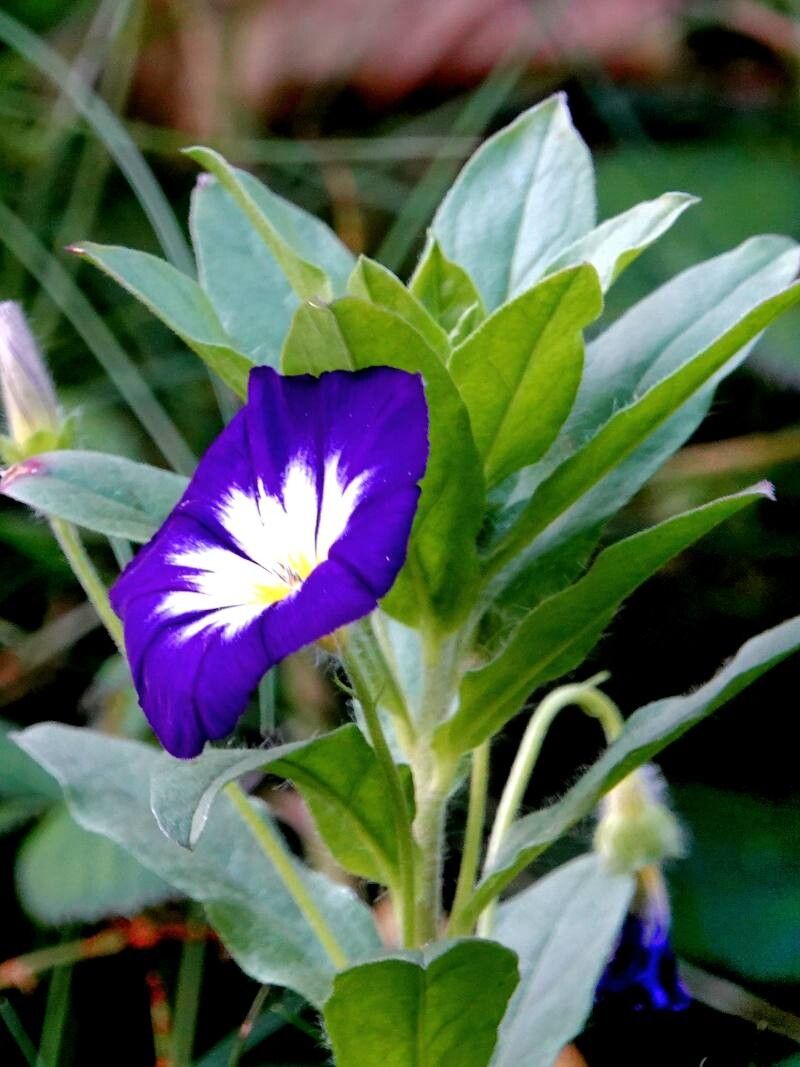
Hello there, fellow plant lovers! I’m so excited to chat with you today about a little garden gem that brings me so much joy: Convolvulus tricolor, also known as the dwarf morning glory or simply “tricolor convolvulus.” Its little trumpet-shaped blooms, in shades of blue, white, and pink, often with a dark center, are just the sweetest sight, unfurling to greet the sun.
Propagating these charmers is a truly rewarding experience. Watching a tiny cutting or division transform into a thriving new plant is pure magic. And the good news for beginners? Convolvulus tricolor is generally quite easy and forgiving to propagate, making it a fantastic plant to start your propagation journey with!
The Best Time to Start
For the highest success rate, I find that the late spring and early summer are your absolute best friends. Think after the last frost has passed and the weather is consistently warm. This is when the plant is actively growing and has plenty of energy to put into forming new roots. You can also take cuttings in late summer, but spring growth usually gives a bit more oomph to those initial roots.
Supplies You’ll Need
Here’s a little checklist to get you prepped. Don’t worry, it’s not overwhelming!
- Sharp pruning shears or a clean craft knife: For making neat cuts.
- Rooting hormone (optional but helpful): I often use a powder, but liquid works too.
- Small pots or seed trays: Clean ones are a must!
- Well-draining potting mix: A mix of peat moss and perlite (about 50/50) is perfect, or you can use a dedicated seedling or cutting mix.
- Watering can with a fine rose or spray bottle: For gentle watering.
- Plastic bags or a propagator lid: To create a humid environment.
Propagation Methods
Let’s get our hands dirty! Here are the two methods I rely on most for Convolvulus tricolor:
Stem Cuttings
This is my go-to method and usually the most productive.
- Take Your Cuttings: In late spring or early summer, select healthy, non-flowering stems from your established plant. Look for stems that are about 3-4 inches long. Using your clean shears or knife, make a clean cut just below a leaf node (where a leaf attaches to the stem). This is crucial for better rooting.
- Prepare the Cuttings: Gently remove the lower leaves, leaving just the top two or three leaves intact. This reduces water loss and prevents leaves from rotting in the soil. If the remaining leaves are very large, you can even cut them in half to further minimize transpiration.
- Apply Rooting Hormone (Optional): Dip the cut end of each stem into your rooting hormone, tapping off any excess. This isn’t strictly necessary for Convolvulus tricolor, but it can speed things up.
- Pot Them Up: Fill your small pots with your prepared, moistened potting mix. Make a small hole with a pencil or your finger, and insert the cutting’s cut end, ensuring the leaf nodes are below the soil surface. Gently firm the soil around the stem.
- Create Humidity: Water the soil lightly, then cover the pots with a plastic bag secured with a rubber band, or place them under a propagator lid. This creates a mini-greenhouse effect, keeping the cuttings from drying out. Place them in a bright spot but out of direct, scorching sunlight.
Water Propagation
This method can be quite satisfying to watch!
- Select and Prepare Cuttings: Similar to stem cuttings, take 3-4 inch cuttings from healthy, non-flowering stems, making the cut just below a leaf node. Remove the lower leaves.
- Place in Water: Fill a small jar or glass with fresh, clean water. Place the cuttings in the water, ensuring no leaves are submerged.
- Change Water Regularly: Change the water every 2-3 days to keep it fresh and prevent bacteria buildup.
- Wait for Roots: Place the jar in a bright location, away from direct sun. You should start to see little white roots emerging from the nodes within a couple of weeks.
- Pot Up: Once the roots are about an inch long, carefully pot them into your well-draining potting mix, treating them as you would freshly potted cuttings.
The “Secret Sauce” (Pro Tips)
Over the years, I’ve picked up a few tricks that seem to make all the difference.
- Bottom Heat is Your Friend: If you have them, popping your pots on a heat mat can really encourage root development. It mimics the warmth of spring soil and gives those new root cells a super boost.
- Don’t Overwater the Soil: While humidity is key, soggy soil is the enemy of cuttings. They need moisture, but they also need air circulation around the roots. I typically water thoroughly after potting, then only water again when the top inch of soil starts to feel dry. It’s better to err on the side of slightly too dry than too wet.
- Patience with the Bloom Buds: If you notice a tiny flower bud forming on your cutting, pinch it off. The plant’s energy is best directed towards growing roots, not producing flowers, at this early stage.
Aftercare & Troubleshooting
Once you see new growth appearing and feel a gentle resistance when you tug lightly on the cutting (a sign of root formation!), it’s time to slowly acclimate them to drier air. This means gradually lifting the plastic bag for increasing periods over a week or so.
Troubleshooting:
- Wilting: This is often a sign of underwatering or that the cutting hasn’t rooted yet and can’t take up enough water. Keep an eye on the soil moisture.
- Yellowing Leaves: This can happen from too much sun, or if the soil is too wet and causing root rot. Check your watering habits and sun exposure.
- Rotting Stems: This is usually due to too much moisture and poor air circulation. If you see a stem turning black and mushy, sadly, it’s likely a goner. You can try to save surrounding cuttings by improving ventilation and reducing watering.
A Little Encouragement
Gardening is an adventure, and propagation is a huge part of that joy. Be patient with your little Convolvulus tricolor cuttings. Some may take longer than others, and not every single one will make it, but that’s perfectly normal. Just keep trying, keep learning, and most importantly, enjoy the beautiful process of bringing more of these cheerful blooms into your world! Happy gardening!
Resource:
https://identify.plantnet.org/k-world-flora/species/Convolvulus%20tricolor%20L./data