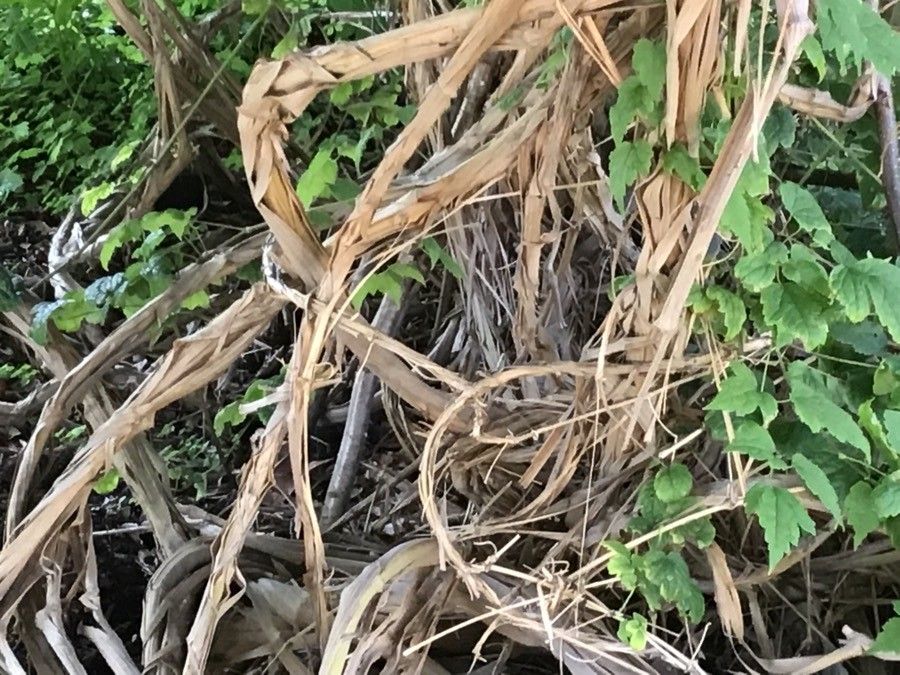
Hello, fellow plant enthusiasts! Today, we’re diving into the wonderful world of propagating Clematis grandidentata. If you’re looking for a climbing vine that brings a delightful charm to your garden with its elegant blooms, this is a fantastic choice. I’ve grown many beautiful clematis varieties over the years, and while some can be a bit particular, Clematis grandidentata is generally quite manageable. Propagating it yourself is incredibly rewarding, giving you more of those stunning flowers for free! Don’t worry if you’re new to propagation; we’ll walk through it together.
The Best Time to Start
For Clematis grandidentata, late spring to early summer, just as the plant is actively growing but before it gets too hot, is your best bet for taking cuttings. You’re looking for new, soft growth that is still pliable. Think of stems that are green and flexible, not woody or hard. This is when they’re most eager to root.
Supplies You’ll Need
Gathering your tools beforehand makes the process so much smoother. Here’s what I always have on hand:
- Sharp pruning shears or a clean knife: For making precise cuts.
- Rooting hormone powder or gel: While not always strictly necessary for clematis, it can give your cuttings a significant boost.
- A light, well-draining potting mix: I often use a blend of peat moss, perlite, and a bit of sand. You can also buy specific seed-starting or propagation mixes.
- Small pots or propagation trays: Clean ones are key to preventing disease.
- A clear plastic bag or propagator lid: To create a humid environment.
- Watering can or spray bottle: For gentle watering.
- Labels or plant tags: Don’t forget to label what you’ve planted!
Propagation Methods: Stem Cuttings
Stem cuttings are your most reliable method for Clematis grandidentata. Let’s get started:
- Select Your Cuttings: From a healthy, vigorous parent plant, choose stems with young, green growth. Look for stems that are about pencil-thick and have at least two or three sets of leaves.
- Make Your Cuts: Using your clean shears, cut the stem at an angle just below a leaf node (where a leaf attaches to the stem). This is where roots tend to form. You want cuttings that are about 4-6 inches long.
- Prepare the Cuttings: Gently remove the lower leaves, leaving only the top one or two. If the leaves are very large, you can even cut them in half horizontally to reduce water loss.
- Apply Rooting Hormone: Dip the cut end of each stem into your rooting hormone, tapping off any excess.
- Pot Them Up: Fill your pots or trays with your prepared potting mix. Make a small hole in the center of each with your finger or a pencil.
- Insert the Cuttings: Gently place each cutting into the hole, ensuring the leaf node where you removed the lower leaves is below the soil surface. Firm the soil gently around the base of the stem.
- Water and Cover: Water gently until the soil is nicely moist. Then, cover the pot or tray with a clear plastic bag or a propagator lid. Make sure the leaves aren’t touching the sides of the bag if possible.
The “Secret Sauce” (Pro Tips)
Over the years, I’ve learned a few tricks that really seem to make a difference:
- Bottom Heat is Your Friend: If you have a propagation mat or can place your tray on top of a warm (not hot!) appliance, this encourages root development from below. Clematis roots appreciate a little warmth.
- Don’t Overwater, But Keep it Humid: That plastic bag is crucial. It creates a mini-greenhouse. You want to see condensation on the inside, but you don’t want the soil to be waterlogged. If it looks too wet, briefly open the bag to let it air out.
- Be Patient with the Leaf Test: After a few weeks, you can gently tug on a cutting. If you feel resistance, it means roots are forming! If it pulls out easily, it’s likely not rooting. Don’t be discouraged if some don’t make it.
Aftercare & Troubleshooting
Once your cuttings show signs of rooting (usually after 4-8 weeks), it’s time to start transitioning them.
- Introduce Air: Gradually remove the plastic cover over a few days to acclimate the new plants to normal humidity.
- Continue Watering: Keep the soil consistently moist but not soggy.
- Bright, Indirect Light: Move them to a spot with plenty of bright, indirect light. Avoid direct, scorching sun.
- Signs of Failure: The most common issue is rot. If your cuttings become mushy or black, they have likely rotted due to too much moisture and poor air circulation. If you see fuzzy white mold on the soil surface, it’s another sign of excess moisture.
Keep Growing!
Propagating Clematis grandidentata is a wonderful way to fill your garden with these beautiful vines. It takes a little patience and a watchful eye, but the joy of seeing a tiny cutting develop into a thriving plant is truly special. Don’t be afraid to try, and remember that every gardener has had cuttings that didn’t make it. Learn from each attempt, and you’ll be rewarded with more gorgeous blooms before you know it! Happy propagating!
Resource: