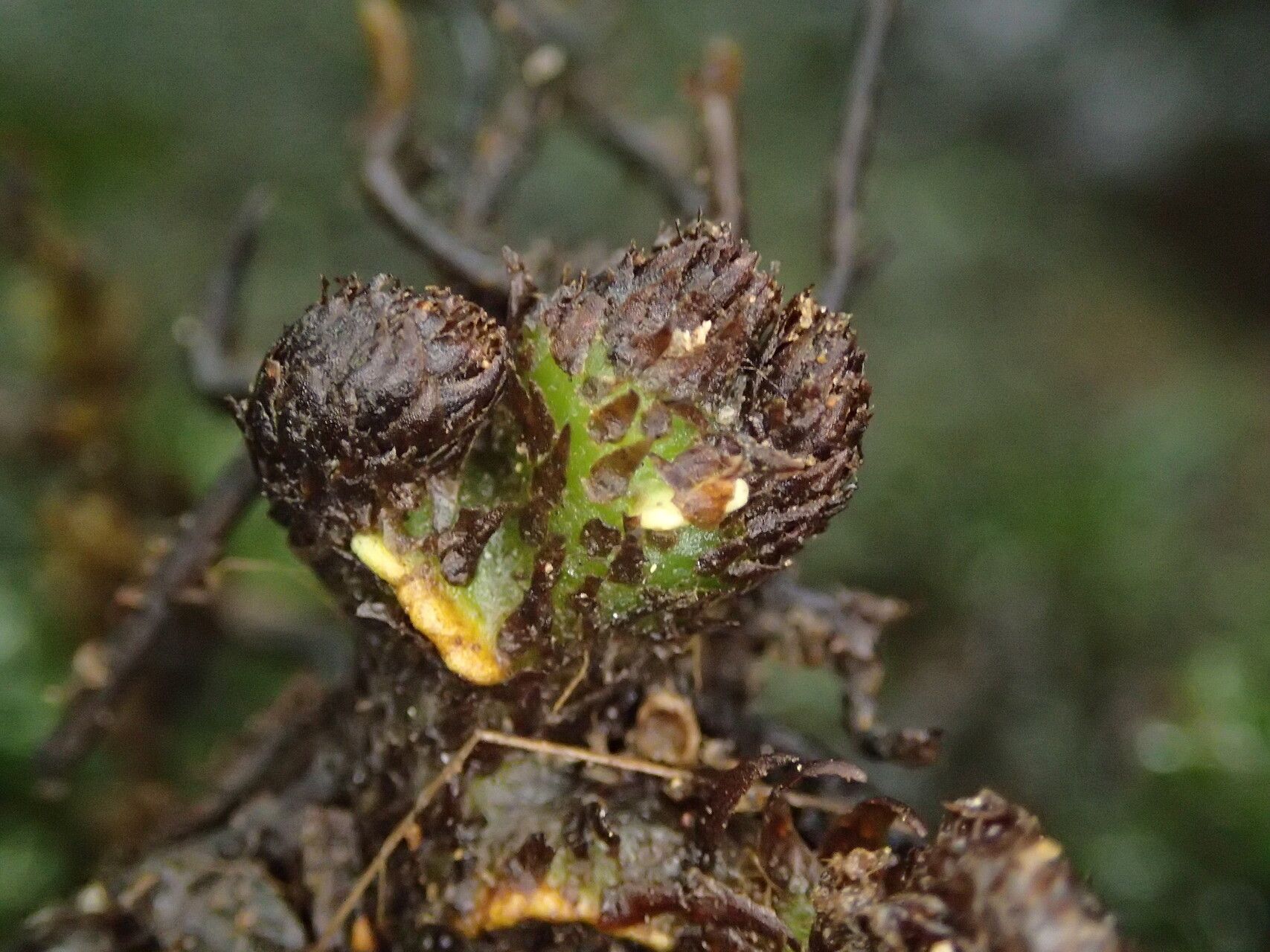
Oh, hello there! Come on in, grab a mug. I’m so glad you’re here to chat about one of my favorite water plants: Bolbitis fluviatilis, often called the Asian Water Fern. Isn’t it just a stunner with those delicate, almost feathery leaves? It adds such a touch of elegance to any aquarium or water feature. And let me tell you, propagating it is incredibly rewarding. You get to watch new life emerge from a piece of your existing plant. For those of you just dipping your toes into aquatic plant propagation, I’d say Bolbitis fluviatilis is a moderately easy plant to work with. It’s not as fussy as some, but it does appreciate a little know-how.
The Best Time to Start
The absolute best time to propagate Bolbitis fluviatilis is when the plant is actively growing. Think late spring through summer, when days are longer and temperatures are warmer. You’ll see new fronds unfurling, and the rhizome (that’s the thick, creeping stem) will be full of life. Trying to propagate when the plant is dormant or stressed just won’t yield the results you’re hoping for. You want that vibrant energy to be on your side!
Supplies You’ll Need
Gathering your supplies beforehand makes the whole process smoother. Here’s what I always have on hand:
- Sharp, sterile scissors or a razor blade: Clean cuts are crucial to prevent disease.
- Clean water: For rinsing and for water propagation.
- Rooting hormone (optional, but helpful): Especially if you’re doing stem cuttings in soil or a substrate. I like a liquid or powder form.
- Small pots or containers: If you’re not doing pure water propagation.
- Aquarium substrate (if not water propagating): A nutrient-rich, fine gravel or aqua soil works well.
- A spray bottle: For misting if you’re using a terrestrial method.
- Patience! This is the most important one.
Propagation Methods
Bolbitis fluviatilis is a rhizome-forming plant, which means it grows horizontally along a stem-like structure. This makes it wonderfully amenable to a couple of straightforward propagation techniques.
1. Division (My Go-To!)
This is by far the simplest and most successful method for Bolbitis fluviatilis in my experience.
- Gently remove your plant: Carefully take your existing Bolbitis fluviatilis out of its aquarium or container.
- Rinse the roots: Gently rinse away any substrate from the rhizome and roots. This lets you get a clear view.
- Inspect the rhizome: You’re looking for healthy sections of the rhizome that have at least one or two leaves and some small roots already attached.
- Make the cut: Using your sharp, sterile scissors or razor blade, slice the rhizome to separate a healthy section from the parent plant. Make sure each new piece has those crucial leaves and roots.
- Plant your new divisions: You can either anchor them gently in your aquarium substrate (don’t bury the rhizome itself, just its base) or float them for a bit while they establish.
2. Stem Cuttings (When You Need More Pieces)
This method is great if you have a particularly long rhizome and want to get more plants.
- Identify healthy sections: Look for sections of the rhizome that are at least 2-3 inches long and have a good number of healthy leaves.
- Make the cut: Again, using your sterilized tool, cut the rhizome into sections. Each cutting should have a few leaves.
- Prepare the cutting: You can trim off any overly large or damaged leaves. If you’re using rooting hormone, dip the cut end (where you made the incision) into it now.
- Plant or float: You can gently plant the cut end into a nutrient-rich substrate, ensuring it’s covered but the leaves are above. Alternatively, you can float the cuttings in water. I often find they root better when the rhizome is slightly submerged but the leaves are exposed to air.
The “Secret Sauce” (Pro Tips)
Here are a couple of things I’ve learned over the years that really make a difference with Bolbitis:
- Don’t bury the rhizome: This is a common mistake! Remember, the rhizome is like a stem. If you bury it too deeply in substrate, it can rot. The roots will grow from it, but the rhizome itself needs a bit of air and light. Anchor it gently, but let it peek out.
- Water quality matters: Bolbitis fluviatilis thrives in clean, oxygenated water. If you’re water propagating, change the water regularly (every few days) to prevent stagnation and keep things fresh. This also helps prevent algae from taking over.
- Think about flow: Even as a cutting, a gentle water flow around the plant will help it establish. It mimics its natural environment and encourages robust growth.
Aftercare & Troubleshooting
Once your new Bolbitis divisions or cuttings start showing signs of growth – perhaps a new leaf unrolling or tiny roots peeking out – you’re on the right track! Continue to provide good water quality and moderate lighting. Avoid direct, intense sunlight, as it can scorch the delicate leaves.
The most common problem you’ll encounter is rot. This usually happens when the rhizome is kept too wet and stagnant, or if the cuttings were placed in water where the leaves are constantly submerged. If you notice parts of the rhizome turning mushy and black, gently remove the affected parts and try to improve water circulation and quality. Sometimes, a cutting might just not take; don’t get discouraged. It happens to the best of us!
A Encouraging Closing
So there you have it! Propagating Bolbitis fluviatilis is a fantastic way to multiply your collection and share beautiful plants. Be patient with your new babies. It takes a little time for them to get settled and start their own vigorous growth. Watch them, care for them, and enjoy the magical process of gardening. Happy propagating!
Resource:
https://identify.plantnet.org/k-world-flora/species/Bolbitis%20fluviatilis%20(Hook.)%20Ching/data