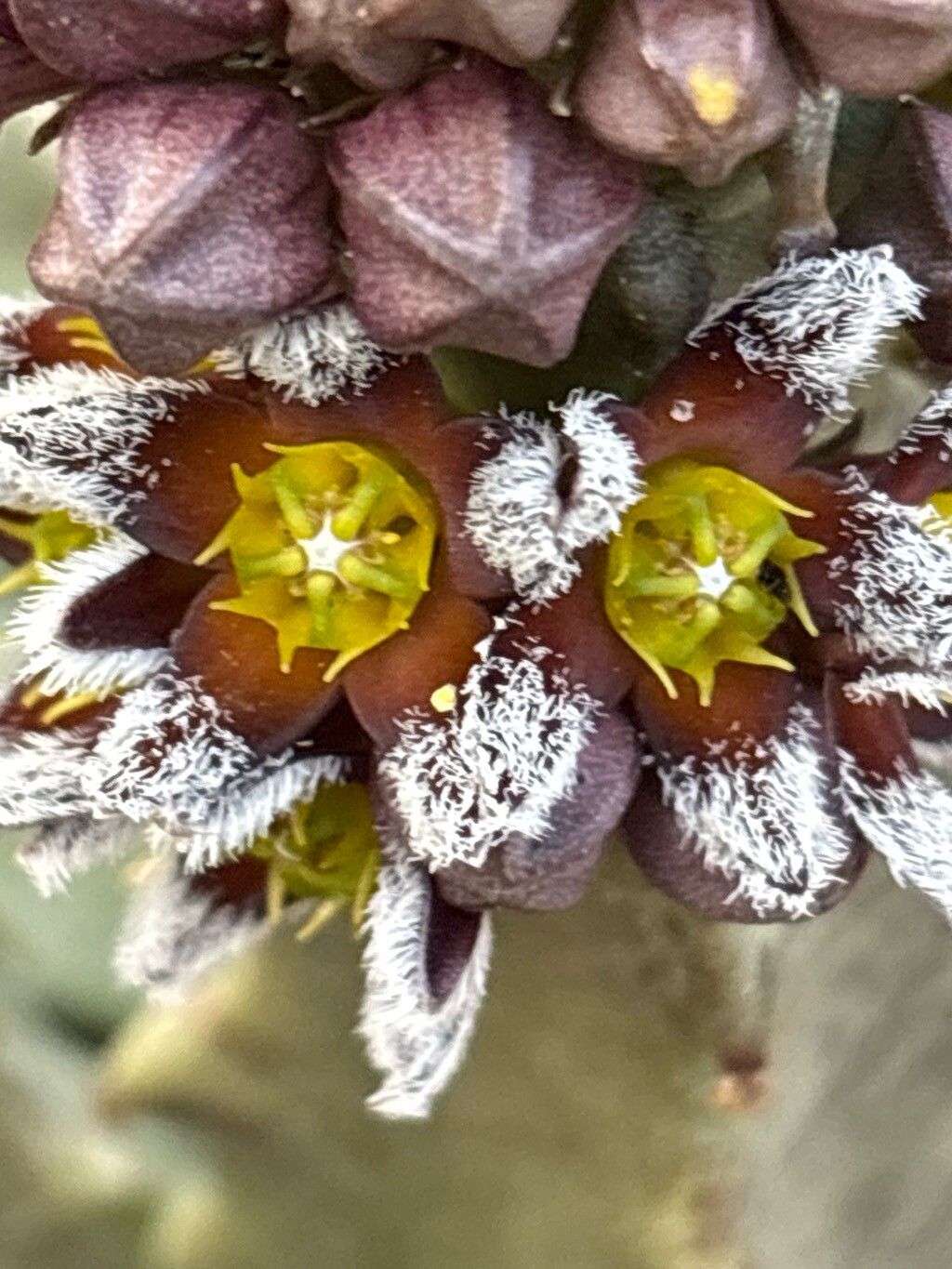
Hello fellow plant lovers! It’s so wonderful to have you here for a cozy chat about a truly unique plant: Apteranthes burchardii. If you’re looking for a bit of architectural flair in your collection, this succulent is absolutely stunning. Its sculptural, often twisted stems and intriguing texture really draw the eye. And the best part? Propagating them is a fantastic way to multiply those beauties. It’s not the absolute easiest plant for a complete beginner to start with, but with a little patience and these tips, you’ll be well on your way to success.
The Best Time to Start
Generally, you’ll find the most success with Apteranthes burchardii propagation during their active growing season. This is typically in the spring and summer months, when the plant has plenty of energy to put into root development. Waiting until the plant feels robust and is actively producing new growth is key. Avoid propagating when the plant is stressed, perhaps from extreme heat or if it’s just been repotted.
Supplies You’ll Need
Gathering your materials beforehand makes the whole process so much smoother. Here’s what I usually have on hand:
- Sharp, clean pruning shears or a sharp knife: Essential for making clean cuts.
- Well-draining potting mix: A cactus/succulent mix is perfect. You can also make your own by combining potting soil with perlite or pumice.
- Small pots or propagation trays: Whatever works for you, just make sure they have drainage holes.
- Rooting hormone (optional but helpful): Especially if you’re a bit nervous about strong root formation.
- Gloves: Some succulents can have a milky sap that can be irritating.
- Watering can or spray bottle: For gentle watering.
- A warm, bright spot: Crucial for encouraging root growth.
Propagation Methods
Apteranthes burchardii are quite amenable to propagation from stem cuttings, which is my favorite method.
Stem Cuttings
- Take the Cutting: Choose a healthy, mature stem. Using your clean shears or knife, make a clean cut just above a leaf node. A good cutting will be at least a few inches long, but even smaller ones can work.
- Allow to Callus: This is a critical step for succulents! Let your cutting sit out in a dry, well-ventilated spot for 2-7 days. The cut end needs to dry and form a callus. This prevents rot when you plant it. You’ll see the cut end turn dry and a bit leathery.
- Plant the Cutting: Once callused, you can dip the callused end into rooting hormone, if you’re using it. Then, simply insert the callused end into your prepared potting mix. You only need to bury it about an inch deep. Make sure the leaves aren’t touching the soil surface.
- Water Sparingly: After planting, wait a few days before watering. Then, water lightly. You want the soil to be slightly moist, not waterlogged. Overwatering at this stage is the quickest way to invite rot.
The “Secret Sauce” (Pro Tips)
After years of getting my hands dirty, a few tricks have really made a difference.
- Bottom Heat is Your Friend: If you can, place your pots on a heating mat. Propagating succulents with a little warmth from below really speeds up root development. It mimics the natural warmth of spring.
- Don’t Be Afraid of a Little Airflow: Good air circulation is vital with succulents. When your cuttings are callusing, and even after planting, ensure they are in a place where air can circulate freely. This helps prevent fungal issues.
- Patience with the First Water: I know it’s tempting to water right away, but resist the urge. Letting that callus fully form and the cutting settle in before introducing moisture significantly reduces the risk of rot. Think of it as giving the plant a chance to “seal the wound.”
Aftercare & Troubleshooting
Once your Apteranthes burchardii cutting has developed some roots – you might feel a gentle tug when you lightly pull on it, or you might even see new growth appearing – you can start treating it a little more like a mature plant. Water a bit more regularly, allowing the soil to dry out completely between waterings. Continue to keep it in a bright, warm spot.
The most common problem you’ll encounter is rot. If your cutting turns mushy, black, or has a foul smell, it’s likely rotted. This is usually due to too much moisture or insufficient callusing. If you catch it early, you might be able to cut off the rotted part and try again with a fresh cutting. Another sign of failure is if the cutting shrivels up and looks dried out with no sign of rooting. This could mean it’s too dry or not getting enough warmth.
A Little Encouragement
Propagating plants is truly a journey of learning and observation. Don’t get discouraged if your first attempt isn’t a roaring success. Each cutting, each season, teaches you something new. Enjoy the process of nurturing these little pieces of life, and before you know it, you’ll have a whole mini-jungle of Apteranthes burchardii to admire. Happy propagating!
Resource: