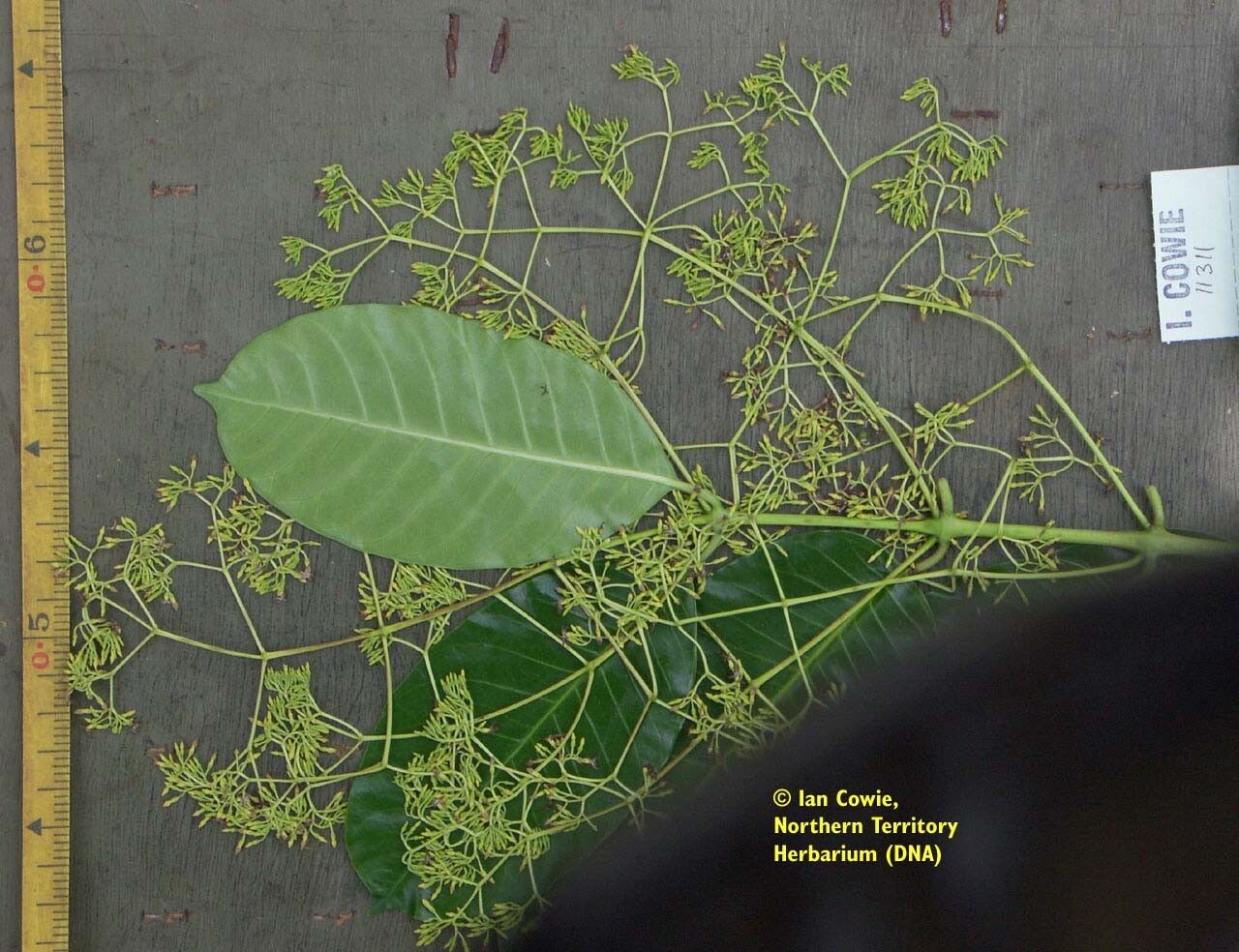
Hello, fellow plant enthusiasts! Today, we’re diving into the delightful world of propagating Anodendron parviflorum. This charming vine, often lauded for its delicate, star-shaped blooms, is a joy to have gracing any garden space or indoor collection. If you’ve ever admired its beauty and thought, “I wish I had more of those!”, then you’re in the right place.
Propagating Anodendron parviflorum can be an incredibly rewarding experience. Watching a tiny cutting transform into a thriving new plant is a special kind of magic. For newcomers to propagation, I’d say this one falls into the moderately easy category. It requires a bit of attention, but with the right approach, you’ll be well on your way to success.
The Best Time to Start
For the highest chance of success with Anodendron parviflorum, spring is your golden season. This is when the plant is actively growing, sending out fresh, pliable shoots. You’re looking for semi-hardwood cuttings, which means the stems are no longer soft and green but haven’t fully woody. Think of a pencil—firm, but with a bit of give. You can also have success with softwood cuttings taken in late spring or early summer, but these can be a tad more prone to wilting.
Supplies You’ll Need
To give your cuttings the best start, have these items ready:
- Sharp Pruning Shears or a Clean Knife: Essential for making clean cuts.
- Rooting Hormone: A powdered or liquid rooting compound can significantly boost your success rate, especially for trickier cuttings.
- Well-Draining Potting Mix: A good mix is typically equal parts perlite and peat moss, or a commercial propagation mix. You want air circulation and good drainage to prevent rot.
- Small Pots or Seed Trays: Clean, small containers are perfect for individual cuttings.
- Plastic Bag or Humidity Dome: To create a humid microclimate around your cuttings.
- Spray Bottle: For misting.
- Labels and a Pen: To keep track of what you’ve propagated and when!
Propagation Methods
Let’s get our hands dirty! Here are the most effective ways to propagate Anodendron parviflorum:
Stem Cuttings
This is my go-to method for this vine.
- Take Your Cuttings: In spring, select a healthy, non-flowering stem. Using your clean shears, take cuttings that are 4 to 6 inches long. Make your cut just below a leaf node (where a leaf attaches to the stem), as this is where root hormones are often concentrated.
- Prepare the Cuttings: Remove the lower leaves, leaving only the top 2-3 leaves. If any of the remaining leaves are very large, you can cut them in half horizontally to reduce water loss through transpiration.
- Apply Rooting Hormone: Dip the cut end of each stem into your rooting hormone, tapping off any excess.
- Plant the Cuttings: Fill your small pots with your prepared potting mix. Use a pencil or your finger to create a small hole in the center of the mix. Gently insert the cut end of the stem into the hole, making sure at least one leaf node is buried in the soil. Firm the soil gently around the stem.
- Create a Humid Environment: Water the soil lightly. Then, cover the pot with a plastic bag or a humidity dome. Ensure the plastic doesn’t touch the leaves. Place the pots in a bright spot but out of direct sunlight.
Water Propagation
While less common for woody vines, you can try this for exceptionally vigorous, fresh growth.
- Take Cuttings: As with stem cuttings, take 4-6 inch pieces with leaf nodes.
- Prepare Cuttings: Remove all but the top 2-3 leaves.
- Place in Water: Find a clean jar or glass and fill it with room temperature water. Submerge the leaf nodes of your cuttings in the water. Make sure no leaves are below the waterline, as this will encourage rot.
- Location: Place the jar in a bright location, away from direct sun.
- Change Water Regularly: Change the water every 2-3 days to keep it fresh and prevent bacterial growth.
The “Secret Sauce” (Pro Tips)
Here are a few little tricks I’ve learned over the years that can make a big difference:
- Cleanliness is King: Always use sterilized tools and pots. This is your first line of defense against diseases and rot, which are the main enemies of cuttings. A quick wipe with rubbing alcohol does wonders.
- Bottom Heat is Your Friend: If you can, provide gentle bottom heat to your pots. A seedling heat mat set to around 70-75°F (21-24°C) can significantly speed up root development. It mimics the warmth of spring soil.
- Be Patient with Leaves: When you see those first tiny leaves unfurling or new growth appearing, it’s tempting to think they’re ready to transplant immediately. Wait until you see strong root development—often a tuft of roots peeking out of the drainage holes or when you gently tug and feel resistance. This is crucial!
Aftercare & Troubleshooting
Once you see signs of new growth (which usually indicates roots have formed), it’s time for a little more attention.
- Acclimatize: If you used a plastic bag or dome, gradually remove it over a week. Start by opening it for a few hours a day, then a full day, to get the plant used to ambient humidity.
- Potting Up: Once your cuttings have a decent root system, carefully transplant them into small pots filled with a good quality potting mix. Water gently.
- Watering: Keep the soil consistently moist but not waterlogged. Overwatering is the most common mistake and can lead to root rot. You’ll notice wilting, yellowing leaves, and a mushy stem base if this happens.
- Signs of Failure: Besides rot, if your cuttings wilt and never recover, or if they simply shrivel and die, it could be due to insufficient humidity, too much direct sun, lack of rooting hormone (if needed), or the cutting wasn’t viable to begin with. Don’t be discouraged; propagation is a learning process!
A Warm Encouragement
Propagating Anodendron parviflorum is a journey, not a race. There will be times when some cuttings don’t make it, and that’s perfectly okay. Each attempt teaches you something new. The joy of nurturing a new plant from a simple cutting is immense. So, grab your tools, get started, and enjoy the process of bringing more of this beautiful vine into your life. Happy gardening!
Resource: