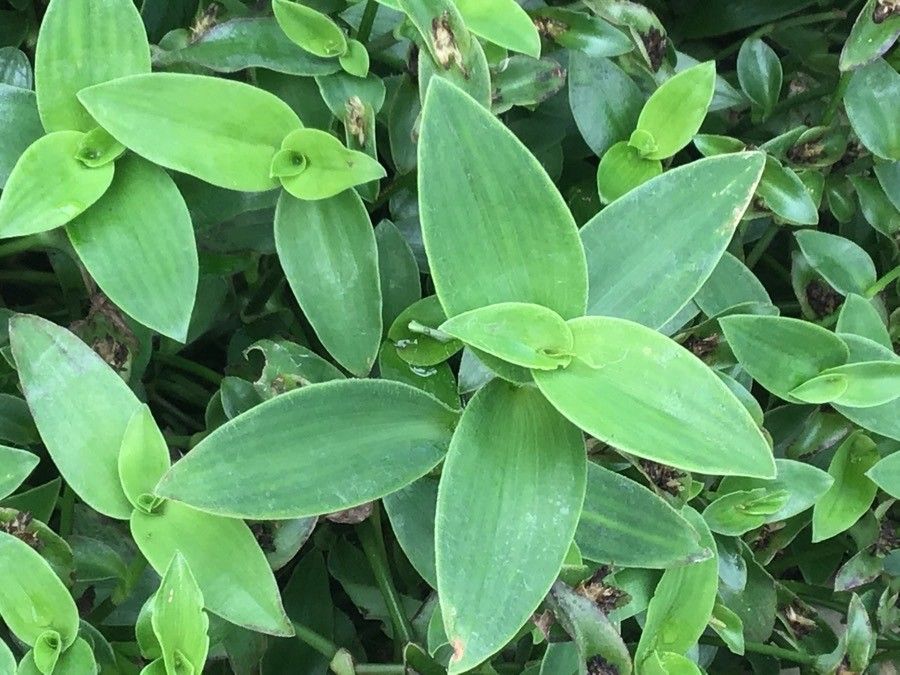
Hello, fellow plant enthusiasts! Today, we’re diving into the wonderful world of propagating Tradescantia buckleyi, also known as Buckley’s Spiderwort. If you’ve ever admired its striking foliage, with its vibrant purple undersides and delicate flowers, you’ll be happy to know that creating more of these beauties for yourself is surprisingly straightforward. It’s such a rewarding process, like sharing a special plant with a friend – a friend you are, in this case!
The Best Time to Start
For Tradescantia buckleyi, the sweet spot for propagation is late spring through summer. This is when the plant is actively growing and has plenty of energy to put into forming new roots. You can often get away with it in early fall too, especially if you’re bringing your cuttings indoors. Just aim for when your plant is looking lush and healthy, not stressed from extreme heat or cold.
Supplies You’ll Need
Gathering your tools beforehand makes the whole process smooth sailing. Here’s what I typically have on hand:
- Sharp Pruning Shears or Scissors: Clean cuts are key for successful rooting.
- Potting Mix: A well-draining mix is essential. I often use a blend of peat moss or coco coir, perlite, and a little bit of potting soil. For cuttings, I sometimes use an even lighter mix, like two parts perlite to one part peat.
- Small Pots or Seedling Trays: Enough to accommodate your cuttings.
- Rooting Hormone (Optional but Recommended): A little boost can speed things up. Gel or powder forms work well.
- Watering Can or Spray Bottle: For gentle watering.
- Clear Plastic Bags or Domes (Optional): To create a humid environment for cuttings.
Propagation Methods
Tradescantia buckleyi is incredibly forgiving. The most common and successful method, by far, is stem cuttings.
Stem Cuttings
This is my go-to method because it’s fast and yields great results.
- Select Healthy Stems: Look for vigorous stems that are at least 4-6 inches long. Avoid any that look leggy, damaged, or are flowering heavily.
- Make the Cut: Using your clean pruners, make a cut just below a leaf node (the point where a leaf attaches to the stem). These nodes are where roots are most likely to form.
- Prepare the Cuttings: Gently remove the lower leaves from your cuttings, leaving just the top few leaves. This prevents them from rotting if submerged in soil or water.
- Apply Rooting Hormone (Optional): If you’re using rooting hormone, dip the cut end of the stem into the powder or gel. Tap off any excess.
- Plant Your Cuttings:
- In Soil: Fill your small pots with your prepared potting mix. Make a small hole with your finger or a pencil and insert the cut end of the stem, ensuring at least one node is buried. Gently firm the soil around it. Water thoroughly.
- In Water: If you prefer water propagation, place your cuttings in a jar of clean water. Make sure no leaves are submerged; they will rot. You might need to trim the stems a bit shorter to achieve this.
- Provide a Humid Environment: For soil propagation, I like to cover the pot with a clear plastic bag or a propagation dome to keep the humidity high. This mimics the conditions from which the plant originates. Poke a few holes in the bag for air circulation. For water propagation, the open jar naturally provides some humidity.
- Provide Bright, Indirect Light: Place your cuttings in a spot that receives bright, indirect light. Avoid direct sunlight, which can scorch delicate new growth.
Division
This method is best done when you repot your mature plant, usually in spring.
- Gently Remove Plant from Pot: Ease your Tradescantia buckleyi out of its container.
- Loosen the Root Ball: Carefully shake off excess soil and identify where the plant naturally wants to divide. You’ll often see multiple crowns or stems emerging from the soil.
- Separate the Divisions: You can often simply pull the root balls apart with your hands. If it’s a bit stubborn, use a clean knife or your pruners to gently slice through the roots. Ensure each division has a good amount of roots and some leafy growth.
- Pot Up: Plant each division into its own pot with fresh, well-draining potting mix. Water thoroughly and place in bright, indirect light.
The “Secret Sauce” (Pro Tips)
Over the years, I’ve learned a few tricks that really give cuttings a boost.
- Bottom Heat is Your Friend: Tradescantia buckleyi roots best with some warmth coming from below. A heat mat placed under your pots or trays can significantly speed up root development. It’s especially helpful if your home is on the cooler side.
- Don’t Drown Your Cuttings: Overwatering is a common mistake. When propagating in soil, water only when the top inch of soil feels dry, and make sure your pots have good drainage. If propagating in water, change the water every few days to keep it fresh and prevent bacterial growth.
- Patience with the Potting Mix: If you’re hesitant about rooting hormone, don’t worry too much. Tradescantia buckleyi is pretty adept at rooting on its own. Just remember that a well-draining mix is paramount to prevent rot while the cutting establishes itself.
Aftercare & Troubleshooting
Once you see new growth or feel a gentle tug when you lightly pull on a cutting, it’s a sign that roots have formed!
- Transitioning to Less Humidity: If you used a plastic bag or dome, gradually acclimate your new plant to normal room humidity over a week or so by opening the bag/dome for longer periods each day.
- Regular Watering: Continue to water as needed, allowing the soil to dry out slightly between waterings.
- Fertilizing (Later On): Once your plant is well-established and showing good growth, you can start feeding it with a balanced liquid fertilizer every 4-6 weeks during the growing season.
Now, what if things don’t go as planned?
- Mushy Stems or Rot: This is almost always a sign of overwatering and poor drainage. Your cutting is drowning. Sadly, there’s usually no coming back from this. Next time, use a lighter soil mix and water more sparingly.
- Wilting: This can happen if the cutting is too dry or hasn’t rooted yet. If the soil is dry, water it. If it’s damp, it might just need more time. Sometimes, wilting is a sign of shock after being moved or repotted.
- No Roots After Weeks: Be patient! Some cuttings take longer than others. Ensure it’s in the right conditions – bright, indirect light and a stable temperature.
A Word of Encouragement
Don’t be discouraged if your first attempt isn’t a roaring success. Gardening is a journey of learning, and even experienced gardeners have casualties. The beauty of Tradescantia buckleyi is its abundance, so don’t be afraid to take multiple cuttings to increase your chances. Enjoy the process of watching these little bits of green unfurl and grow into something new. Happy propagating!
Resource: