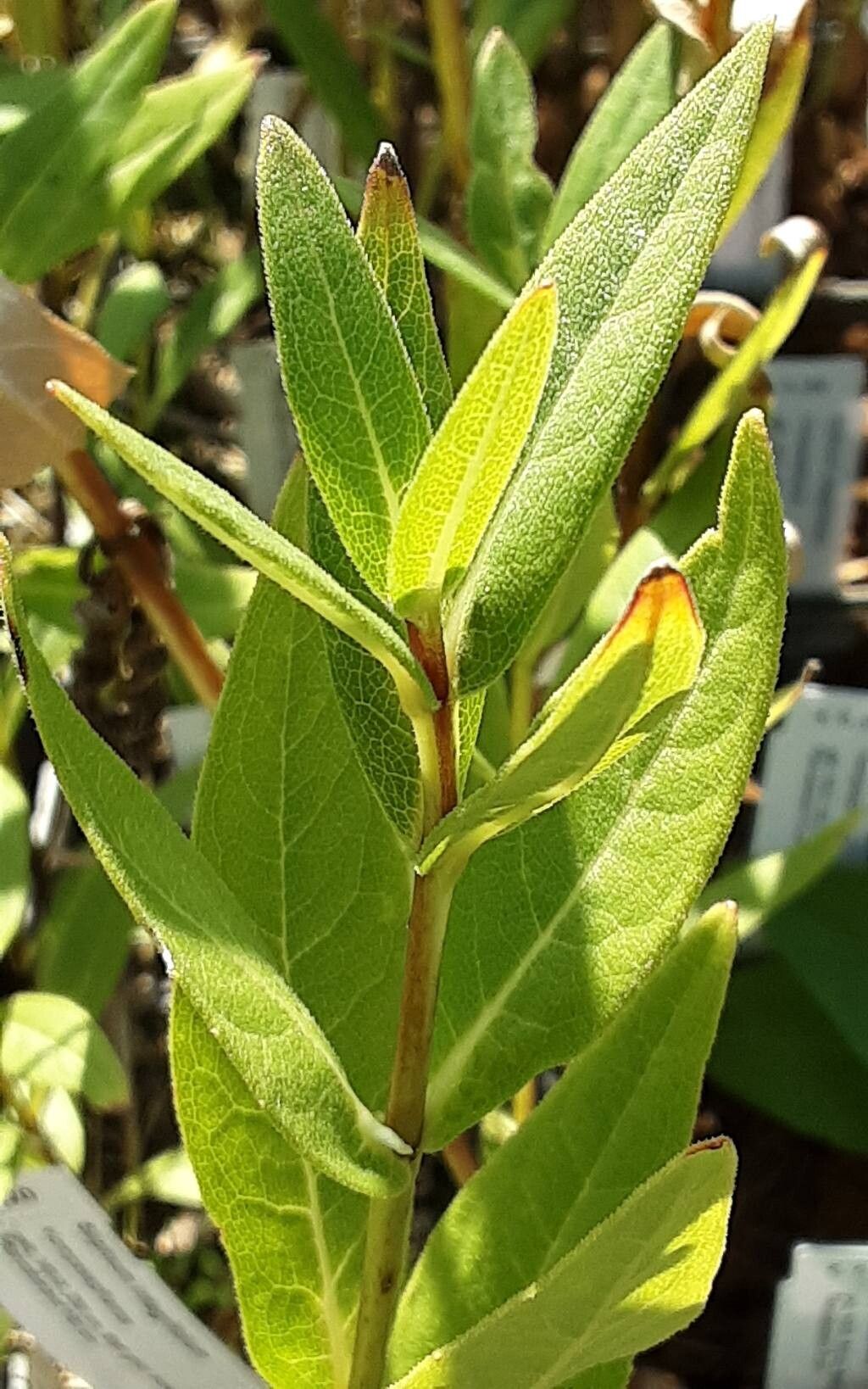
Hello fellow garden enthusiasts! I’m so excited to chat with you today about a truly magnificent prairie native: Silphium integrifolium, often called Rosinweed. If you’re looking for a plant that brings sunshine, pollinator magnets, and a touch of wild beauty to your garden, this is it. Its cheerful yellow blossoms, standing tall on sturdy stems, are a joy to behold all summer long. And the best part? Propagating them yourself is incredibly rewarding, allowing you to share this joy with friends or simply fill your own space with more of these beauties. While it might seem a little intimidating at first glance, don’t worry, Silphium integrifolium is quite forgiving!
The Best Time to Start
For the highest success rate, I’ve found that late spring to early summer is your sweet spot for propagating Silphium integrifolium. This is when the plant is actively growing, meaning it has the energy reserves to put into developing new roots. You can also have success with division in early spring as the new growth begins to emerge, but starting cuttings when the plant is really putting on a show gives them a fantastic head start.
Supplies You’ll Need
Gathering your supplies beforehand makes the whole process go much smoother. Here’s what I usually have on hand:
- Sharp, clean pruning shears or a sharp knife: For making clean cuts that heal well. Sterilize them with rubbing alcohol between uses to prevent disease spread.
- A well-draining potting mix: I like a a mix of equal parts peat moss, perlite, and compost. For cuttings, a slightly coarser mix with more perlite helps with aeration.
- Small pots or propagation trays: With drainage holes, of course!
- Rooting hormone (optional but helpful): A good quality powder or gel can really boost your success rates, especially with cuttings.
- A spray bottle: For misting your cuttings and keeping the humidity up.
- Labels and a waterproof marker: Trust me, you’ll thank yourself later!
- For division: A sturdy garden fork or spade.
Propagation Methods
Silphium integrifolium is a resilient plant, and thankfully, it’s quite adaptable to propagation. Here are the methods I use most often:
Division (Spring and Fall)
This is perhaps the easiest method for beginners, especially with established plants.
- Dig Carefully: In early spring before new growth gets too large, or in early fall after flowering, gently dig around the base of your Silphium integrifolium plant. Work your way outwards to avoid damaging the main root ball.
- Expose the Roots: Use your hands or a trowel to carefully loosen the soil and expose the root system. You’re looking for distinct sections of the plant that have their own crown and roots.
- Separate the Divisions: Gently pull or use a clean spade to divide the plant into smaller sections. Each division should have at least one healthy bud or crown and a good portion of roots. Don’t be afraid to get a little rough here; these plants are tough!
- Replant Immediately: Replant your divisions into their new spots in the garden or into pots with fresh potting mix. Water them thoroughly.
Stem Cuttings (Late Spring/Early Summer)
This method is a bit more involved but yields new plants from non-woody stems.
- Take Your Cuttings: Select healthy, non-flowering stems that are about 4-6 inches long. Using your sharp shears, make a clean cut just below a leaf node (where a leaf attaches to the stem).
- Prepare the Cuttings: Remove the lower leaves, leaving only the top two or three leaves. This prevents them from rotting when placed in the soil. If you’re using rooting hormone, dip the cut end into it according to the product’s instructions.
- Plant Your Cuttings: Fill your pots with your well-draining potting mix. Make a small hole with your finger or a pencil and insert the cut end of the stem, ensuring the nodes where you removed the leaves are below the soil surface. Gently firm the soil around the stem.
- Create a Humid Environment: Water the soil gently and then cover the pot with a clear plastic bag or a propagation dome to maintain high humidity. Ensure the leaves aren’t touching the plastic.
The “Secret Sauce” (Pro Tips)
From my years of getting my hands dirty, I’ve picked up a few tricks that make a real difference when propagating Silphium integrifolium:
- Don’t Crowd Them: When planting cuttings, give them space! Overcrowding leads to poor air circulation and can encourage fungal issues. Each cutting needs its own little breathing room to thrive.
- Bottom Heat is Your Friend: If you’re using stem cuttings, placing your propagation tray or pots on a heat mat designed for seedlings can significantly speed up root development. It mimics the warmth of a greenhouse and really gives those roots a nudge.
- Patience with the Rooting Hormone: While rooting hormone is a great help, remember it’s not magic. Even with it, Silphium integrifolium can take a few weeks to establish a good root system. Don’t be discouraged if you don’t see instant results!
Aftercare & Troubleshooting
Once you see signs of new growth, it’s a good indication that roots are forming!
- Gradually Acclimate: If you used a plastic bag or dome, slowly start to remove it over a few days to acclimate your new plants to normal humidity.
- Keep Them Moist but Not Soggy: Continue to water gently when the top inch of soil feels dry. Overwatering is the most common culprit for failure, leading to dreaded root rot, which manifests as yellowing lower leaves and a mushy stem base. If you see this, act fast – you might be able to save it by repotting in fresh, dry soil, but often it’s too late.
- Wait Before Fertilizing: Don’t be tempted to fertilize right away. Wait until you see strong new growth, both above and below the soil surface, before introducing a very diluted liquid fertilizer.
- Transplanting: Once the roots have filled their pots, or if you’re transplanting divisions, plant them in their permanent garden spots, giving them plenty of sun and well-draining soil.
A Encouraging Closing
Propagating plants is a journey, and Silphium integrifolium is a wonderful companion on that path. Be patient with the process, celebrate each new leaf and each root that appears, and don’t be afraid to get your hands dirty. The satisfaction of nurturing a new plant from a tiny cutting or a divided root is truly special. Happy gardening!
Resource:
https://identify.plantnet.org/k-world-flora/species/Silphium%20integrifolium%20Michx./data