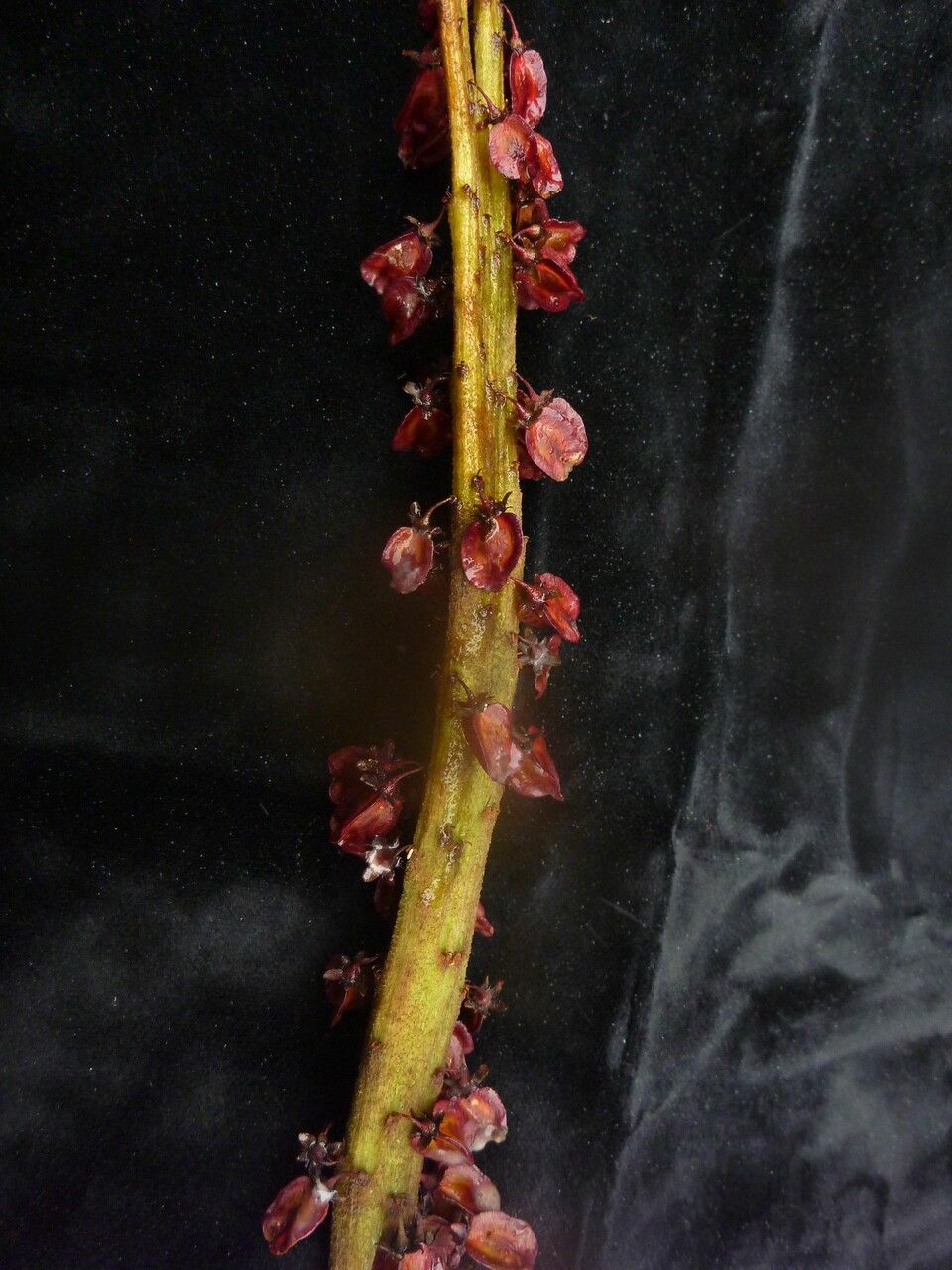
Hey fellow plant enthusiasts! Today, I want to talk about a plant that’s really captured my heart over the years: Rheum spiciforme. You might know it as a type of rhubarb, but this particular species offers such stunning, architectural beauty. Its upright flower stalks, often adorned with delicate pinkish hues, bring a wonderful vertical element to any garden. And the best part? Getting more of these beauties for yourself is incredibly rewarding. For beginners, I’d say propagating Rheum spiciforme falls into the ‘moderately easy’ category. It requires a little attention to detail, but with these tips, you’ll be well on your way.
The Best Time to Start
Timing is everything with plants, right? For Rheum spiciforme, the absolute sweet spot for propagation is late spring to early summer. This is when the plant is actively growing and has plenty of energy to put into establishing new roots. You want to catch it just as those flower stalks are emerging or fully formed, but before the seed heads begin to mature.
Supplies You’ll Need
Gathering your supplies beforehand makes the whole process smoother. Here’s what I usually have on hand:
- Sharp pruning shears or a clean, sharp knife: Essential for making clean cuts.
- Small pots or trays: For your new cuttings or divisions. Ensure they have drainage holes!
- A good quality potting mix: I like a mix that’s free-draining. A blend of peat moss, perlite, and a bit of compost works beautifully. For divisions, sometimes a heavier loam-based compost is good.
- Rooting hormone (optional but recommended): A powder or gel can give your cuttings a real boost.
- Watering can or spray bottle: For gentle watering.
- Labels and a marker: So you don’t forget what you’ve planted!
- Gloves (optional): Some people are sensitive to rhubarb sap.
Propagation Methods
Rheum spiciforme is wonderfully adaptable, and you can have success with a couple of different methods.
Division (My Go-To!)
This is hands-down the most reliable way to propagate mature Rheum spiciforme.
- Dig Carefully: In late spring or early summer, when the plant is actively growing, carefully dig a spade around the base of your existing plant. You want to lift it out of the ground with as much of the root ball intact as possible. Avoid damaging the main crown.
- Separate the Sections: Gently shake off excess soil. You’ll see healthy, fleshy roots and buds forming at the crown. Using your hands or a clean, sharp knife, divide the root ball into sections. Ensure each section has at least one strong bud and a good amount of healthy root. Don’t try to divide too finely; bigger is generally better for initial success.
- Replant Immediately: Plant each division into its new spot in the garden or into pots filled with your prepared potting mix. Water gently but thoroughly.
Stem Cuttings (Requires a Bit More Patience)
This method is more about cloning your favorite flowering stems.
- Select Your Stems: Choose a healthy, non-flowering stem from the current season’s growth. Look for a stem that’s about 6-8 inches long and has a few leaves.
- Make the Cut: Using your sharp pruning shears, make a clean cut just below a leaf node (where a leaf attaches to the stem).
- Prepare the Cutting: Remove the lower leaves, leaving just two or three at the top. If the stem is quite thick, you can make a small slit on the bottom of the cutting to expose more surface area for rooting.
- Apply Rooting Hormone: Dip the cut end into rooting hormone, tapping off any excess.
- Plant the Cutting: Fill a small pot with your well-draining potting mix. Make a hole with a pencil or your finger and insert the cutting, firming the soil gently around it.
- Provide a Humid Environment: This is crucial for stem cuttings. You can place a plastic bag over the pot, ensuring the leaves don’t touch the plastic, or put the pot in a mini-greenhouse. Keep the soil consistently moist but not waterlogged.
The “Secret Sauce” (Pro Tips)
Here are a couple of things I’ve learned over the years that really make a difference:
- For Divisions: Don’t Bury the Crown Too Deeply. When you replant your divisions, make sure the crown (where the leaves emerge from the roots) is just at or slightly above soil level. Burying it too deep can lead to rot, especially in wetter conditions.
- For Stem Cuttings: Bottom Heat is Your Friend. If you’re struggling with stem cuttings, consider placing your pots on a seedling heat mat. This consistent warmth from below encourages root development much faster than ambient room temperature alone. It mimics what happens in the soil during warmer months.
Aftercare & Troubleshooting
Once your Rheum spiciforme starts to show signs of life – new leaf buds or a gentle tug that indicates resistance (roots!) – it’s time to transition them.
- For Divisions: Continue to water them regularly, especially during dry spells. You can gradually introduce them to more sunlight as they establish.
- For Stem Cuttings: Once you see really good root development (you might see them peeking out of the drainage holes or feel resistance when gently tugging), you can transplant them into larger pots with fresh potting mix. Keep them in a semi-shaded spot for a few weeks before gradually acclimating them to more sun.
The most common issue you’ll face is rot. This is usually a sign of too much moisture and poor drainage. If a cutting or division looks yellow and limp, and the soil is constantly soggy, it’s likely succumbing to rot. To prevent this, always use well-draining soil, don’t overwater, and ensure good air circulation. If you catch rot early, you might be able to salvage it by removing affected parts and replanting in drier conditions, but prevention is key.
A Little Patience Goes a Long Way
Propagating plants, especially those as beautiful as Rheum spiciforme, is a journey. It’s about connecting with nature, learning its rhythms, and experiencing the joy of creating new life. Don’t get discouraged if your first attempt isn’t perfect. Each plant you nurture, each successful division or cutting, builds your confidence. So, grab your tools, get your hands dirty, and enjoy the process of growing your own spectacular Rheum spiciforme! Happy gardening!
Resource:
https://identify.plantnet.org/k-world-flora/species/Rheum%20spiciforme%20Royle/data