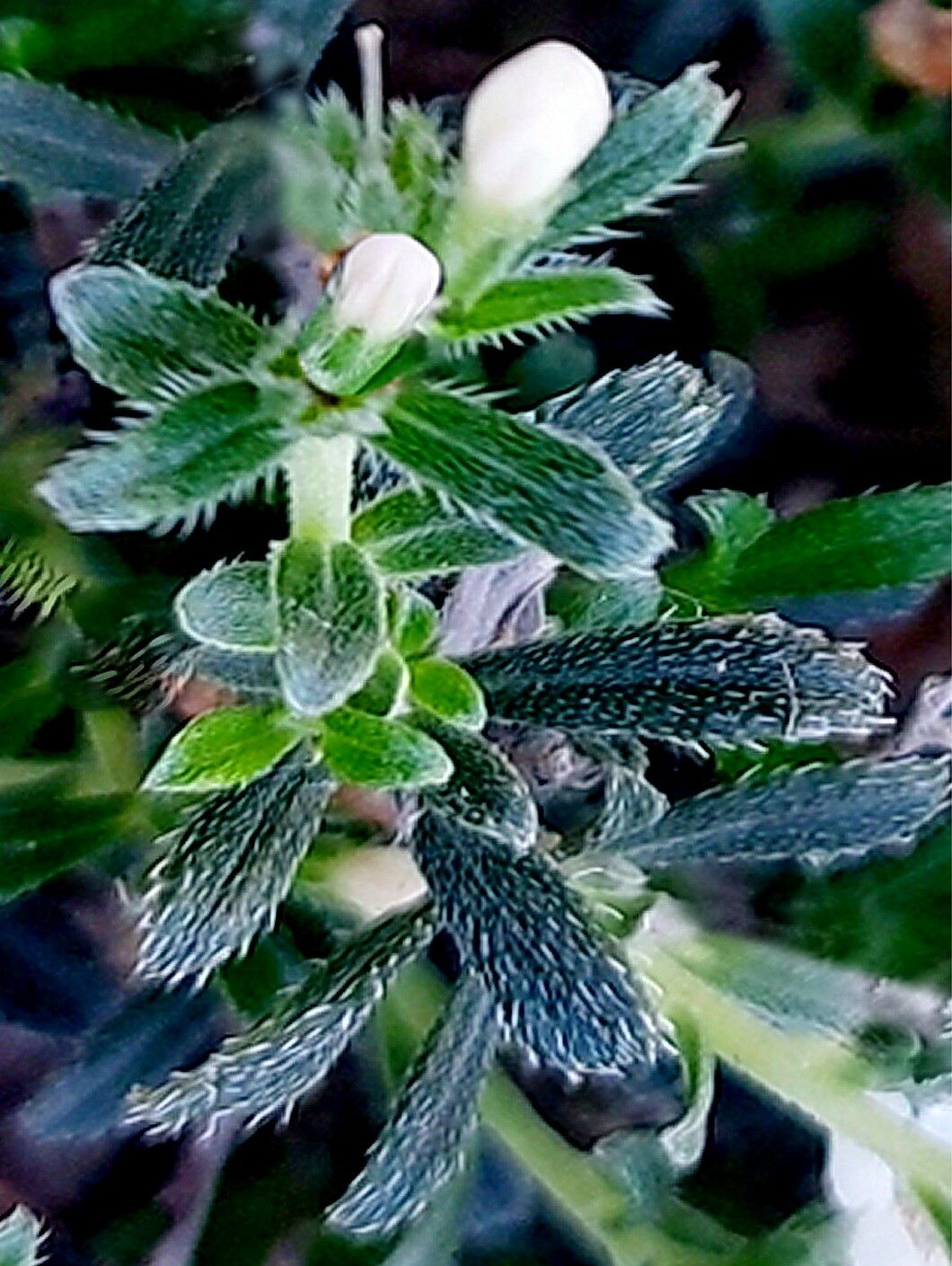
Hey there, fellow garden enthusiasts! Today, I want to talk about a little gem that brings so much joy to my garden: Lithodora hispidula. If you’ve ever seen those impossibly vibrant, sky-blue flowers blanketing a plant, you know exactly what I’m talking about. I’ve been growing and propagating these beauties for two decades, and let me tell you, sharing them with friends is one of the most rewarding parts of gardening.
Now, about propagation. If you’re new to the plant-starting game, Lithodora hispidula is a pretty forgiving choice. It’s not overly fussy, and with a little care, you’ll be amazed at how easily you can multiply these stunners.
The Best Time to Start
For the absolute best success, I like to take cuttings in late spring or early summer. This is when the plant is actively growing and has plenty of young, non-woody shoots. You’re essentially working with material that’s full of life and ready to root.
Supplies You’ll Need
Before we get our hands dirty, let’s gather our tools:
- Sharp Pruning Shears or a Knife: Clean cuts are key to success.
- Rooting Hormone: This is optional, but I find it really gives cuttings a boost.
- Small Pots or Trays: Clean ones are essential to prevent disease.
- Gritty Potting Mix: I usually combine equal parts peat moss or coco coir with perlite or coarse sand. This ensures excellent drainage, which Lithodora absolutely loves.
- Plastic Bags or a Propagator: To create a humid environment.
- Labels: To keep track of what you’ve planted!
Propagation Methods: Stem Cuttings
This is my go-to method for Lithodora hispidula. It’s straightforward and yields fantastic results.
- Select Your Cuttings: Look for healthy, non-flowering, semi-hardwood stems about 3-4 inches long. Gently bend one – if it snaps cleanly, it’s perfect. If it just bends, it’s too soft. If it’s woody and stiff, it’s too hard.
- Make the Cut: Using your clean shears or knife, make a cut just below a leaf node (where a leaf attaches to the stem). This is where the magic of root formation often happens.
- Prepare the Cuttings: Carefully remove the lower leaves, leaving just a few at the top. This prevents them from rotting when buried in the soil.
- Dip in Rooting Hormone (Optional): If you’re using it, dip the cut end of the stem into the rooting hormone, tapping off any excess.
- Plant Them Up: Fill your clean pots or trays with your gritty potting mix. Make a small hole in the center with a pencil or your finger.
- Insert Cuttings: Gently insert the prepared cuttings into the holes, firming the soil gently around them. You can fit several cuttings into one pot, as long as they aren’t touching.
- Water Gently: Water the soil thoroughly but avoid waterlogging. The mix should be consistently moist, not soggy.
- Create Humidity: Cover the pots loosely with a plastic bag or place them in a propagator. This traps moisture and creates a mini-greenhouse effect. Make sure the leaves don’t touch the inside of the bag, as this can encourage rot.
The “Secret Sauce” (Pro Tips)
Over the years, I’ve learned a few little tricks that really help boost my success rates:
- Bottom Heat is Your Friend: While not strictly essential, a gentle heat mat under your cuttings can significantly speed up the rooting process. It mimics the warmth of summer soil and encourages root development.
- Don’t Be Afraid to Mist: Especially in dry climates, lightly misting the leaves inside the propagator every so often can be very beneficial. Just don’t overdo it.
- Patience, Patience, Patience! Lithodora can be a bit slow to root. Don’t despair if you don’t see action for a few weeks. I usually wait 4-6 weeks before I start gently checking for roots.
Aftercare & Troubleshooting
Once you see new leaves emerging or feel a gentle tug when you very lightly pull on a cutting, that’s a good sign roots are forming!
- Gradually Acclimatize: Slowly remove the plastic covering over a few days to let the new plant get used to normal humidity.
- Keep Moist: Continue to keep the soil consistently moist but well-drained.
- Bright, Indirect Light: Place your new plants in a spot with bright, indirect light. Direct sun can be too harsh for tiny new leaves.
The most common issue you might encounter is rot. This usually happens if the soil is too wet or the air is too stagnant. If you see stems browning or turning mushy at the soil line, sadly, that cutting is likely lost. Remove it immediately to prevent it from affecting others.
A Fond Farewell
Propagating Lithodora hispidula is such a rewarding journey. It’s a chance to learn, observe, and, in the end, to fill your garden – or share with friends – these incredible splashes of blue. Be patient with the process, don’t get discouraged by the occasional failure (we all have them!), and most importantly, enjoy the magic of growing new life. Happy gardening!
Resource:
https://identify.plantnet.org/k-world-flora/species/Lithodora%20hispidula%20(Sm.)%20Griseb./data