Hey there, fellow plant lovers!
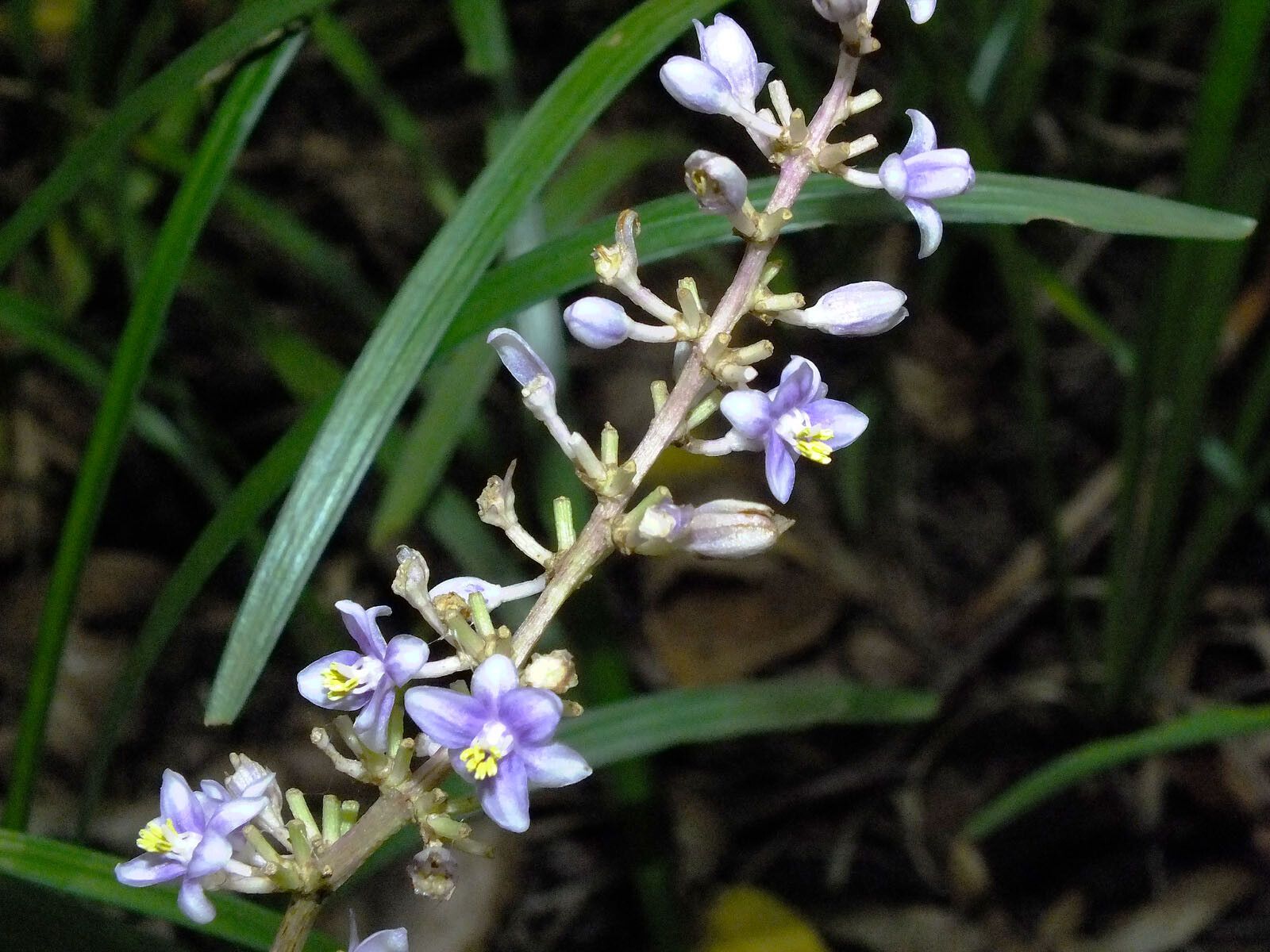
If you’re anything like me, you probably have a soft spot for Liriope (also known as Lilyturf). Those graceful, grass-like leaves and those lovely spikes of purple or white flowers—they just add such a beautiful, low-maintenance charm to any garden. And the best part? They’re incredibly easy to multiply! If you’re new to propagation, Liriope spicata is an absolute dream plant to start with. You’ll be admiring your own little Liriope babies in no time.
The Best Time to Start
I find Liriope is most agreeable to propagation in the late spring or early summer. This is when the plant is actively growing after its winter slumber. You want to catch it at a time when it’s got plenty of energy to put into developing those new roots. Waiting until the plants are well-established and have had a good growing season is key.
Supplies You’ll Need
Gathering your tools beforehand makes the whole process so much smoother. Here’s what I usually have on hand:
- Sharp pruning shears or a clean knife: For making neat cuts.
- Small pots or containers: Yogurt cups with drainage holes work just fine for starting out!
- A good quality potting mix: I like to use a blend that offers excellent drainage. A mix of peat moss, perlite, and a bit of compost is my go-to.
- Rooting hormone (optional but recommended): This can give your cuttings a helpful boost.
- A watering can with a fine rose: For gentle watering.
- A spray bottle: To keep humidity levels up.
Propagation Methods
Liriope spicata is wonderfully versatile, and division is its favorite way to be multiplied. It’s straightforward and incredibly effective.
Method: Division
This is the go-to for Liriope spicata, and honestly, it’s more like giving your plant a haircut and a spa day all in one!
- Digging Up Your Liriope: When you’re ready, carefully dig around the base of a mature Liriope clump. You can use your spade or a garden fork to gently lift the entire plant from the ground. Shake off any excess soil so you can clearly see the root system.
- Separating the Clumps: Look for natural divisions within the root ball. You’ll see where the plant has spread and formed individual sections. You can use your hands to gently pull these sections apart. If they’re really stubborn, don’t be afraid to use your clean spade or knife to cut through the roots, making sure each new section has both roots and some leafy top growth.
- Replanting: Now, you can replant your separated divisions. Dig holes in their new locations (or into their new pots) that are spacious enough for the roots. Make sure the crown of the plant (where the roots meet the leaves) is at soil level.
- Watering: Water them in thoroughly. A good, deep watering helps settle the soil around the roots and reduces transplant shock.
The “Secret Sauce” (Pro Tips)
Here are a couple of little tricks I’ve learned over the years that can make a big difference:
- Don’t strip all the leaves: When dividing, it’s tempting to trim off a lot of the foliage. Resist the urge! Those leaves are crucial for the plant to photosynthesize and gather energy to establish new roots. Just give them a light trim if they’re excessively long or damaged.
- Give them a bit of shade: For the first week or two after dividing and replanting, give your new Liriope divisions a little protection from harsh sun. A spot that gets morning sun and afternoon shade is perfect for them to settle in without getting stressed.
Aftercare & Troubleshooting
Once your Liriope divisions are happily replanted, keep them consistently moist but not waterlogged. This is especially important for the first few weeks as they’re recovering from being moved. You’ll know they’re taking off when you see new shoots emerging from the center of the plants.
The most common issue you might encounter is rot, which is usually a sign of overwatering or poor drainage. If your new divisions look yellow and mushy at the base, you might be giving them too much water. Ease up a bit! Also, ensure the soil drains well. If you see your plants wilting despite watering, it could be a sign of root rot setting in, so it’s best to pull them out and check the roots. Healthy roots should be firm and pale.
A Encouraging Closing
See? So simple! Propagation really is one of the most rewarding aspects of gardening. It connects you deeper with your plants and allows you to share their beauty with friends and family. Be patient with your new Liriope divisions – they’re working hard to establish themselves. Just give them a little love and attention, and you’ll be rewarded with a garden full of these wonderful plants. Happy propagating!
Resource:
https://identify.plantnet.org/k-world-flora/species/Liriope%20spicata%20Lour./data