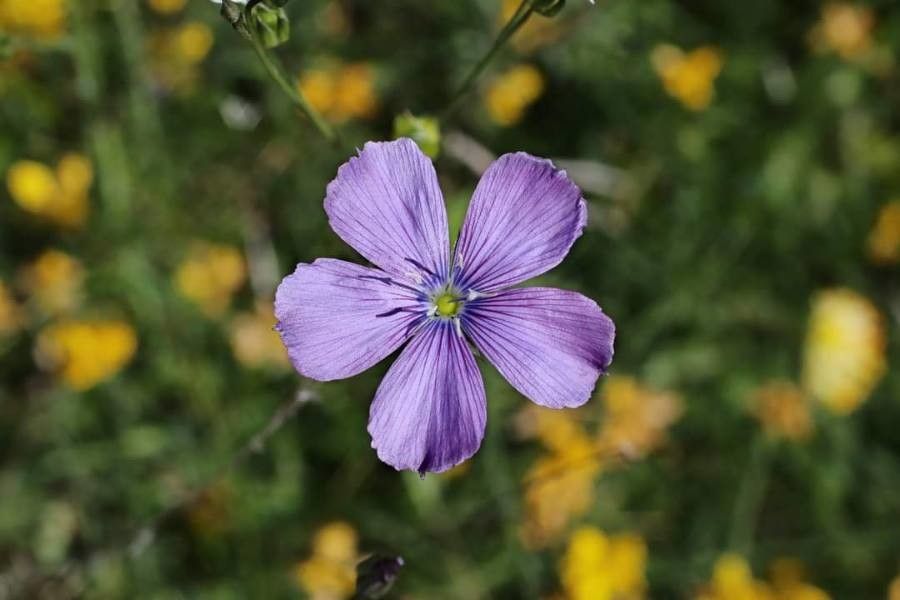
Oh, Linum hologynum! What a charming little flax. Its delicate blue flowers are just a breath of fresh air in the garden, aren’t they? Seeing those cheerful blooms pop up year after year is a joy, and there’s something incredibly satisfying about creating more of them yourself. If you’re looking to expand your collection of this beauty, I’m here to guide you. Honestly, Linum hologynum is a pretty good sport when it comes to propagation, making it a very rewarding plant for newcomers and seasoned gardeners alike.
The Best Time to Start
For the highest success rate, I find late spring to early summer is your golden window. When the plant is actively growing, it has all that burgeoning energy to tap into for root development. You’ll want to take cuttings from healthy, non-flowering stems – think of it as borrowing a little bit of that vibrant growth.
Supplies You’ll Need
Gathering your tools beforehand makes the process so much smoother. Here’s what I always have on hand:
- Sharp, clean pruning shears or a sharp knife: Essential for making clean cuts without crushing the stems.
- Rooting hormone (optional, but helpful): A little dip can encourage faster and stronger root formation. I prefer a powder form for ease of use.
- Well-draining potting mix: A good blend of peat or coco coir, perlite, and a bit of horticultural sand works wonders. You want it to dry out between waterings but still retain some moisture.
- Small pots or seed trays: Clean containers are a must. Terra cotta pots are lovely because they breathe and help prevent waterlogging.
- Watering can with a fine rose: Gentle watering is key for delicate cuttings.
- Plastic bags or a propagator: To create a humid environment for your cuttings.
Propagation Methods
Let’s get down to business! I’ve found success with this plant using stem cuttings, which is my go-to method.
- Take Your Cuttings: With your clean shears, select a healthy stem that’s about 4-6 inches long. Make a clean cut just below a leaf node (where a leaf attaches to the stem). Remove the lower leaves, leaving just a few at the top. This helps prevent them from rotting in the soil.
- Apply Rooting Hormone (If Using): Dip the cut end of the stem into your rooting hormone, tapping off any excess.
- Plant Your Cuttings: Fill your small pots with your well-draining potting mix. Make a small hole with a pencil or your finger and gently insert the cut end of the stem. Firm the soil gently around it.
- Water Gently: Water the soil thoroughly but gently. You want the soil to be moist but not soggy.
- Create Humidity: Place the potted cuttings inside a clear plastic bag, sealing it loosely, or pop them into a propagator. This creates a mini greenhouse, keeping the humidity levels high, which is crucial for cuttings before they develop roots.
The “Secret Sauce” (Pro Tips)
Here are a couple of things I’ve learned over the years that can really boost your success:
- Bottom Heat is Your Friend: If you have a heated propagator or can place your pots on a warming mat, this makes a world of difference. Warm soil encourages root development much faster.
- Don’t Drown Them!: While humidity is important, Linum hologynum can be susceptible to rot if the soil stays too wet. Allow the top inch of soil to dry out slightly between waterings. This is where that well-draining mix really shines.
Aftercare & Troubleshooting
Once you see signs of new growth – tiny leaves emerging or a gentle tug on the cutting meeting resistance – that’s your cue that roots are forming!
- Acclimate Gradually: Once roots are established, slowly start to ventilate the plastic bag over a few days, then remove it completely. This helps the new plant adjust to normal room humidity.
- Repotting: When the cuttings have a good root system and are starting to look robust, you can gently transplant them into slightly larger pots with fresh potting mix.
- Watch for Rot: The biggest enemy here is overwatering. If your cuttings look limp, yellow, and mushy, it’s likely a sign of root rot. Unfortunately, there’s usually not much you can do once this happens, so preventing it is key. Ensure excellent drainage and avoid that soggy soil!
A Encouraging Closing
Propagating Linum hologynum is a wonderful way to fill your garden with more of its gentle charm. Don’t fret if your first few attempts aren’t perfect; gardening is a journey of learning. Be patient, observe your cuttings, and most importantly, enjoy the thrill of nurturing new life. Happy propagating!
Resource:
https://identify.plantnet.org/k-world-flora/species/Linum%20hologynum%20Rchb./data