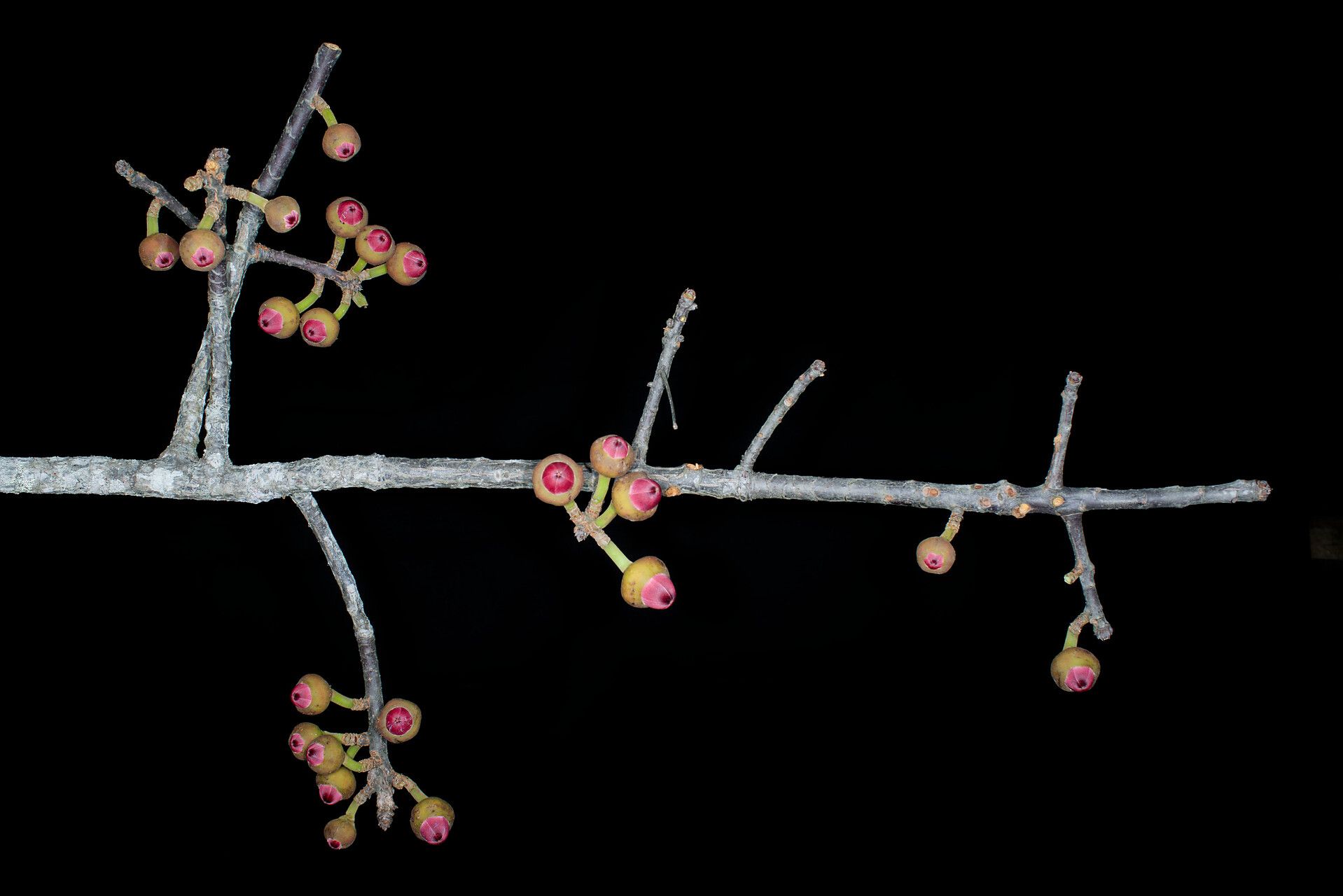
Hello fellow garden enthusiasts! If you’ve ever admired the stunning, vibrant blooms of Bombax buonopozense, you’re in for a treat. This magnificent tree, often called the Red Silk Cotton Tree, is truly a showstopper. Its fiery red flowers are a beacon in the landscape, attracting all sorts of wonderful pollinators. And guess what? You can bring that beauty into your own garden – or even onto your patio – by propagating it yourself.
Now, I won’t sugarcoat it. Bombax buonopozense isn’t the easiest plant to start from scratch, especially for absolute beginners. But with a little know-how and some patience, it’s absolutely achievable. The reward of nurturing a new life from a tiny cutting or seed is truly special, and honestly, that’s what gardening is all about for me.
The Best Time to Start
For the highest success rate with Bombax buonopozense, I find the late spring or early summer is your best bet. This is when the plant is actively growing, and its hormones are really humming. You want to take cuttings when the new growth is semi-hardwood – not brand new and floppy, but not old and woody either. It should snap cleanly when bent, rather than just bending over. If you’re considering seeds, sow them as soon as you receive them after the plant has flowered and produced seed pods.
Supplies You’ll Need
- Sharp Pruning Shears or a Clean Knife: For making clean cuts.
- Rooting Hormone Powder: This is key for encouraging root development. Look for one with auxins.
- Well-Draining Potting Mix: A blend of perlite, coarse sand, and peat moss or coco coir works wonderfully. You don’t want anything too heavy that will hold excess moisture. I often use a mix that’s about 50% perlite to 50% a good quality potting soil.
- Small Pots or Seed Trays: Clean pots are essential to prevent disease.
- Plastic Bags or a Propagation Dome: To create a humid environment around your cuttings.
- Watering Can with a Fine Rose: For gentle watering.
- Gloves (Optional): If you have sensitive skin or just prefer them.
- Labels: For keeping track of your cuttings and when you took them.
Propagation Methods
We’ll focus on the most reliable method for Bombax buonopozense: stem cuttings.
- Select Your Cuttings: In late spring or early summer, identify healthy, vigorous stems on your parent plant. Look for those semi-hardwood sections I mentioned. Aim for cuttings that are about 6-8 inches long.
- Make the Cut: Using your clean pruning shears or knife, make a clean cut just below a leaf node (where a leaf attaches to the stem). This is where roots are most likely to form.
- Prepare the Cutting: Gently remove the leaves from the bottom half to two-thirds of the cutting. You want to expose several nodes where the roots can emerge. You can leave one or two sets of leaves at the top to help with photosynthesis, but don’t let them be too large. If they are, you can trim them in half.
- Apply Rooting Hormone: Dip the cut end of the stem into your rooting hormone powder. Tap off any excess. You want a light coating.
- Plant the Cuttings: Fill your small pots with your well-draining potting mix. Make a hole in the center with your finger or a pencil, and gently insert the cutting. Firm the soil gently around the base to ensure good contact.
- Water Gently: Water the soil thoroughly but gently, using your fine rose watering can. You want the soil to be moist but not waterlogged.
- Create Humidity: Cover each pot with a clear plastic bag, securing it around the rim with a rubber band or twist tie. Alternatively, use a propagation dome. This creates a mini greenhouse, keeping the humidity high and preventing the cuttings from drying out.
- Placement: Place the pots in a warm location with bright, indirect light. Avoid direct sunlight, which can scorch the cuttings.
The “Secret Sauce” (Pro Tips)
- Bottom Heat is Your Friend: If you can, place your pots on a heated propagation mat. This gentle warmth from below mimics ideal soil conditions and significantly speeds up root development. It can make a world of difference!
- Don’t Disturb Too Soon: Resist the urge to tug at your cuttings to check for roots. Wait at least 4-6 weeks. You’ll know they’re rooting when you see signs of new leaf growth.
- Air Circulation Matters: While we want high humidity, it’s also good to briefly remove the plastic bag or lid for a few minutes each day to allow for some air exchange. This helps prevent fungal issues.
Aftercare & Troubleshooting
Once you see new growth emerging from your cuttings, that’s a fantastic sign! You can gradually acclimatize them to lower humidity by slowly opening the plastic bags over a week or so. Water them consistently, keeping the soil lightly moist. Don’t let them dry out completely, but avoid soggy conditions.
The most common issue you might encounter is rot. If your cutting turns black and mushy at the base, it’s likely rotted. This usually happens due to too much moisture and poor drainage, or a lack of air circulation. If you see this, unfortunately, that cutting is lost, but don’t get discouraged! Just try again with a fresh one, ensuring your soil drains well and you’re providing a bit of airflow. Sometimes, fungal infections can also cause leaves to turn yellow and drop.
A Encouraging Closing
Propagating Bombax buonopozense is a journey, and like all good gardening adventures, it requires patience and observation. Don’t be disheartened if your first attempt isn’t a roaring success. Learn from each experience, adjust your technique, and keep at it. Each tiny sprout you help grow is a testament to your green thumb and a beautiful addition to your world. Happy propagating!
Resource:
https://identify.plantnet.org/k-world-flora/species/Bombax%20buonopozense%20P.Beauv./data