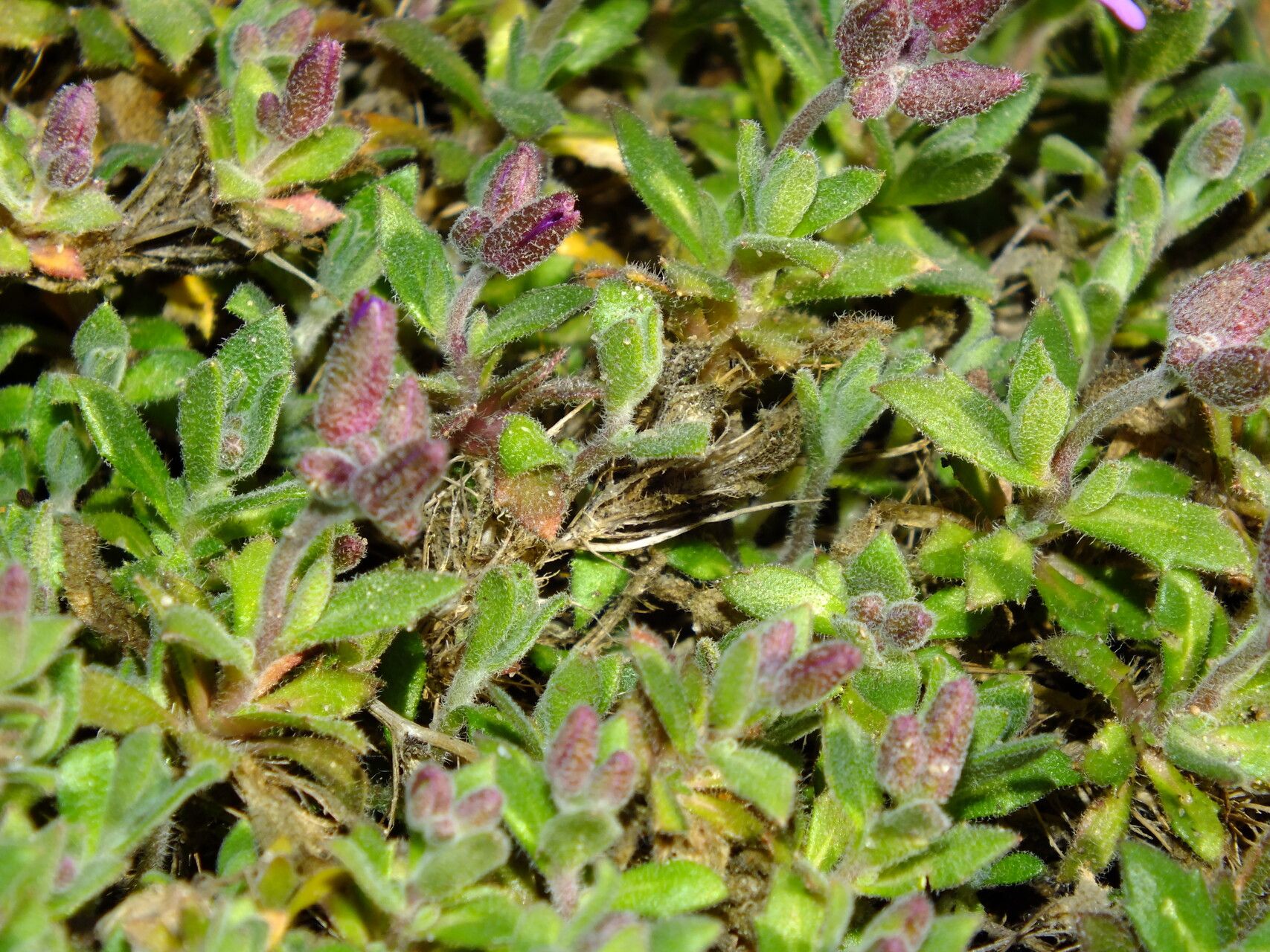
Oh, Aubrieta columnae! It’s one of those little gems that truly brightens up a rock garden or spills over a wall with its delightful carpet of purple-pink flowers. I’ve been growing and propagating these beauties for ages, and honestly, it’s a wonderfully rewarding little project. If you’re new to propagation, you’ll be happy to know that Aubrieta is generally quite forgiving. You’ll likely have success even with your first try!
The Best Time to Start
For the most vigorous growth and highest success rate, take cuttings in late spring after the plant has finished its main flush of blooms. You can also try again in early autumn, but spring is usually the sweet spot. You want young, but not brand new, growth that’s firm but still pliable.
Supplies You’ll Need
Here’s what you’ll want to have on hand:
- Sharp pruning shears or a clean knife: For taking nice, clean cuts.
- A rooting hormone powder or gel: This is a big help to speed things up.
- A potting mix: I like a blend of equal parts perlite and peat moss or coco coir. It needs to be well-draining.
- Small pots or seed trays: With drainage holes, of course!
- Plastic bags or a propagator: To create a humid environment.
- Watering can or spray bottle: For gentle watering.
Propagation Methods
Let’s get our hands dirty with the best ways to multiply your Aubrieta:
Stem Cuttings: My Go-To Method
- Select your parent plant. Look for healthy, non-flowering shoots that are about 3-4 inches long.
- Make the cut. Using your sharp shears or knife, take a cutting just below a leaf node (where a leaf attaches to the stem). This is where the magic happens for rooting.
- Prepare the cutting. Gently remove the lower leaves, leaving just a few at the top. This prevents them from rotting in the soil.
- Dip in rooting hormone. Lightly coat the cut end in your rooting hormone powder or gel. Tap off any excess.
- Pot them up. Make small holes in your prepared potting mix using a pencil or dowel. Insert the cuttings, making sure the leaf nodes you bared are buried. Gently firm the soil around them.
- Water gently. Give them a light watering to settle the soil.
- Create humidity. Cover the pots with a clear plastic bag, propped up with a few twigs so it doesn’t touch the leaves. You can also use a propagator lid. Place them in a bright spot, but out of direct harsh sun.
Division: A Quick Win
If your Aubrieta plant has become a bit leggy or feels a little crowded, division is super easy!
- Gently lift the plant from its pot or the ground.
- Carefully tease apart the root ball. You want to separate it into smaller clumps, each with its own healthy roots and some foliage.
- Replant immediately. Pop these divisions into fresh pots with well-draining soil or back into the garden where you want them to grow. Water them in well.
The “Secret Sauce” (Pro Tips)
Here are a couple of things I’ve learned over the years that make a difference:
- Avoid overcrowding your cuttings. Give them a little breathing room in the pot. If they get too crowded, they’re more prone to fungal issues.
- Bottom heat is your friend, but not essential. If you have a heat mat, placing your pots on it can significantly speed up rooting, especially if your house is a bit cool. Just a gentle warmth is all they need.
Aftercare & Troubleshooting
Once your cuttings are potted, keep the soil consistently moist but never waterlogged. You’ll know they’re rooting when you see new growth appearing. This can take anywhere from a few weeks to a couple of months.
The main thing to watch out for is rot. If your cuttings turn mushy or black, they’ve likely succumbed to too much moisture and not enough air circulation. Don’t be discouraged! Just clean up the pot and try again, perhaps with a slightly less moist mix or better ventilation. If you see signs of wilting, it might be that they haven’t rooted yet and are drying out – make sure your humidity is good.
A Encouraging Closing
Growing more Aubrieta from your existing plants is such a satisfying feeling. It’s a little bit of horticultural magic you can do right in your own garden. Be patient with your little cuttings; some take their time. Enjoy the process, and soon you’ll have even more of these lovely blooms to enjoy! Happy gardening!
Resource:
https://identify.plantnet.org/k-world-flora/species/Aubrieta%20columnae%20Guss./data