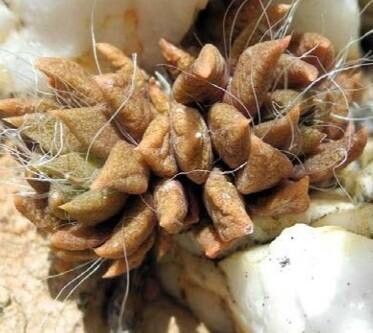
Hello fellow plant lovers! Today, we’re diving into the delightful world of Anacampseros lanceolata. If you’re looking for a succulent that’s both charming and rewarding to grow, this is it! With its delicate, star-shaped flowers and intriguing, slightly fuzzy leaves, Anacampseros lanceolata brings a touch of whimsical beauty to any collection. And the best part? Propagating it is not only possible but also surprisingly satisfying. You’ll be amazed at how quickly you can fill your windowsill with these little gems. For beginners out there, I’d say this one is quite forgiving, making it a wonderful plant to start your propagation journey with.
The Best Time to Start
When it comes to Anacampseros lanceolata, spring and early summer are your best friends. This is when the plant is actively growing, brimming with energy, and most receptive to taking root. You’ll generally be looking for healthy, mature stems to work with. Avoid trying to propagate during dormancy in the cooler months. Patience here definitely pays off.
Supplies You’ll Need
Before we get our hands dirty, let’s gather our tools. Think of this as packing a picnic for your new baby plants!
- Sharp, clean pruning shears or a sterile knife: Essential for making clean cuts.
- Well-draining succulent or cactus mix: This is crucial. You can buy a pre-made one or mix your own with potting soil, perlite, and coarse sand.
- Small pots or trays: Terracotta pots are lovely as they breathe well.
- Rooting hormone (optional but helpful): A little boost can go a long way.
- Watering can with a fine rose or a spray bottle: For gentle watering.
- Gloves (optional): If you prefer to keep your hands clean.
Propagation Methods
Anacampseros lanceolata is a trooper and can be propagated in a couple of easy ways. I find stem cuttings to be the most reliable and efficient.
Stem Cuttings
This is my go-to method. It’s straightforward and yields great results.
- Select a healthy stem: Look for a sturdy, mature stem that’s at least a few inches long.
- Make a clean cut: Using your sharp shears or knife, cut the stem just above a leaf node. This is where new roots will eventually emerge.
- Allow it to callous: This is a non-negotiable step for succulents! Place your cutting in a dry, airy spot for 2-7 days, or until the cut end has dried and formed a callus. This prevents rot when you plant it.
- Prepare your pot: Fill your small pot with your well-draining succulent mix.
- (Optional) Dip in rooting hormone: If you’re using rooting hormone, lightly dip the calloused end of the cutting into the powder. Tap off any excess.
- Plant the cutting: Gently insert the calloused end of the stem into the soil. You can bury about an inch or two of the stem, ensuring some leaves are above the soil line.
- Don’t water immediately: Resist the urge to water right away. Wait a day or two before giving it a very light watering, just enough to moisten the surface of the soil.
The “Secret Sauce” (Pro Tips)
Over the years, I’ve picked up a few little tricks that can make all the difference.
- Bottom Heat is Your Friend: If you can, place your newly potted cuttings on a gentle seedling heat mat. This provides warmth to the soil, encouraging root development from below. It sounds fancy, but it really does speed things up!
- Humidity Tent, But Not Too Much: For the first week or two, you can create a mini-greenhouse effect by loosely covering the pot with a clear plastic bag or placing it in a clear plastic container. This helps retain some humidity, which is beneficial for the cutting before it has roots. However, make sure there’s some airflow; you don’t want to create a soggy, stagnant environment. Open the bag daily for a few minutes.
Aftercare & Troubleshooting
Once your Anacampseros lanceolata cutting has rooted, you’ll notice new growth. Hooray!
- Watering: Continue to water sparingly. Allow the soil to dry out completely between waterings. Overwatering is the quickest way to lose your new plant.
- Light: Place your new plant in a bright, indirect light location. Too much direct sun can scorch the delicate leaves.
- Signs of Failure: The most common issue is rot. If your cutting turns mushy, dark, or has a foul smell, it’s likely rotted. This usually happens from too much moisture and lack of callousing. Shriveling can also occur if the cutting is very dry, but new roots should eventually plump it up.
Don’t get discouraged if your first attempt isn’t perfect. Gardening is all about learning and experimenting. Each plant is a small miracle, and the joy of coaxing new life from a simple cutting is truly a gift. Be patient, enjoy the process, and soon you’ll have a whole new generation of Anacampseros lanceolata to cherish. Happy propagating!
Resource:
https://identify.plantnet.org/k-world-flora/species/Anacampseros%20lanceolata%20(Haw.)%20Sweet/data