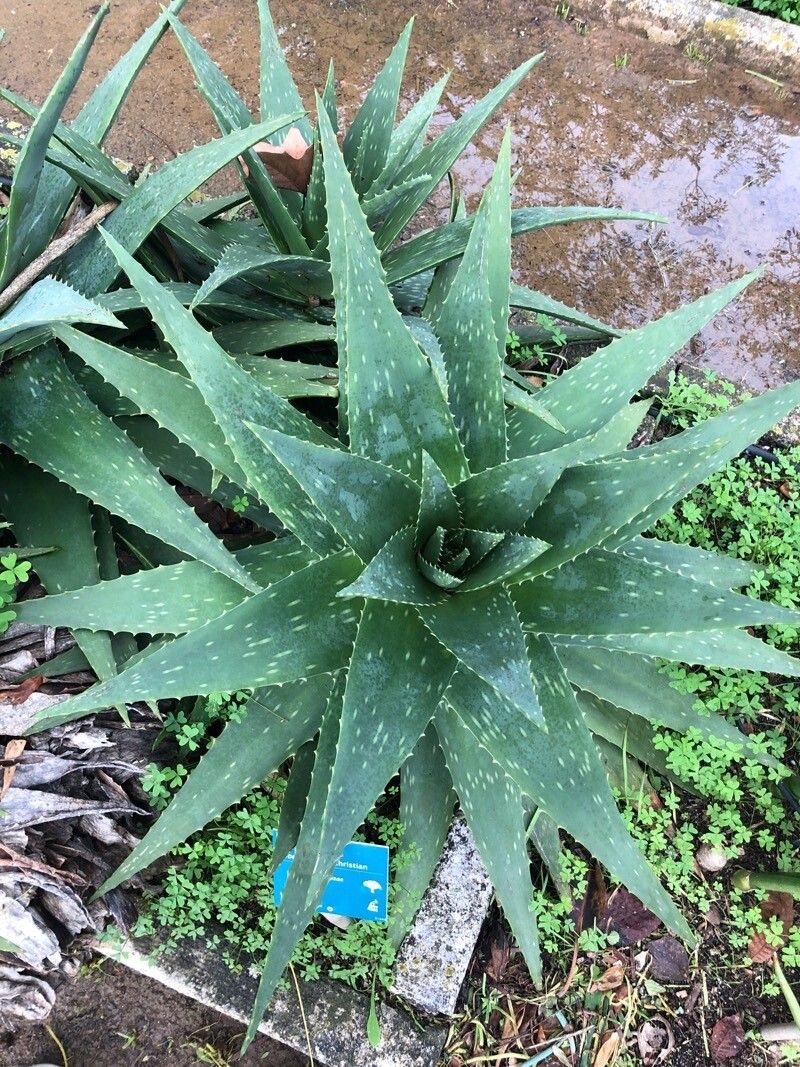
Hello fellow garden enthusiasts! It’s so lovely to connect with you again. Today, we’re diving into the wonderful world of propagating Aloe debrana. This stunner, with its architectural form and graceful, arching leaves, is a real showstopper. And the joy of creating new life from an existing plant? It’s truly one of the most rewarding parts of gardening, in my book. The good news is, if you’re just starting out, Aloe debrana is a pretty forgiving plant when it comes to propagation. You’ll likely find it a breeze!
The Best Time to Start
I’ve found the sweet spot for propagating Aloe debrana is during its active growing season. For most of us, that means late spring through summer. The plant is energized and ready to put out new roots. You can also have success in early autumn if your climate doesn’t get too cold. Avoid trying to propagate during the plant’s dormant period in winter; it’s just a bit too sleepy then.
Supplies You’ll Need
Gathering your tools beforehand makes the whole process so much smoother. Here’s what I always have on hand:
- Sharp, clean pruning shears or a knife: For making clean cuts.
- Well-draining potting mix: A cactus and succulent mix is perfect, or you can make your own with equal parts potting soil, perlite, and coarse sand.
- Small pots or trays: For your new little aloes to grow in. Terra cotta pots are great because they breathe.
- Optional: Rooting hormone: This can give your cuttings an extra boost, though many aloes root just fine without it.
- Optional: Bottom heat mat: Not essential, but it can speed up root development.
- Watering can with a fine rose or a spray bottle: For gentle watering.
Propagation Methods
Aloe debrana is most easily propagated through offsets (also called pups) or leaf cuttings. Let’s look at how to do each.
Propagating From Offsets (Pups)
This is by far the easiest and most reliable method. As your Aloe debrana matures, it will naturally produce small baby plants, or offsets, around its base.
- Identify the offsets: Look for small rosettes emerging from the soil near the main plant. They’ll have their own leaves attached.
- Gently expose the offset: If the offset is buried, carefully brush away some soil from its base to see where it’s connected to the mother plant.
- Separate the offset: Using your sharp, clean shears or knife, cut the offset away from the parent plant. Try to get a little bit of root attached to the offset if possible. If not, don’t worry, it will still root.
- Allow to callus: This is crucial! Place the separated offset in a bright, dry spot away from direct sunlight for a few days, or even up to a week. The cut end needs to dry out and form a callus. This prevents rot.
- Pot it up: Once callused, plant the offset in a small pot filled with your well-draining succulent mix. Plant it deep enough so it stands upright.
- Water sparingly: Wait a few days after potting before giving it its first light watering. You want the plant to settle in.
Propagating From Leaf Cuttings (Slightly More Challenging)
While not as common as offsets for Aloe debrana, you can get a new plant from a leaf cutting, though it requires a little more patience and a specific approach.
- Select a healthy leaf: Choose a plump, healthy leaf from the mother plant.
- Make a clean cut: Using your sharpest shears, cut the leaf at the base where it connects to the main stem. You want as clean a cut as possible.
- Allow to callus: Just like with offsets, this is a critical step. Let the cut end of the leaf dry and form a hard callus for several days to a week in a bright, dry location.
- Prepare your pot: Fill a small pot or a tray with your well-draining succulent mix.
- Plant the cutting: You have two options here:
- Lay it on top of the soil: Many gardeners simply lay the callused end of the leaf on top of the potting mix.
- Insert the cut end slightly: Some prefer to gently insert the callused end about a half-inch into the soil.
- Mist gently: Do not water heavily! Lightly misting the soil around the cutting every few days is usually enough. You don’t want the leaf to sit in soggy conditions.
The “Secret Sauce” (Pro Tips)
Here are a couple of things I’ve learned over the years that really make a difference:
- Think “dry, not wet” for roots: When propagating from cuttings or offsets, the biggest enemy is rot. Never let the cut end sit in water for extended periods. If using the leaf-on-top-of-soil method, sometimes a little a misting bottle is all you need for weeks!
- Bottom warmth speeds things up: If you can, place your pots on a gentle heating mat specifically designed for seedlings or plants. This warmth from below encourages root development much faster than sitting on a cool countertop. It’s like giving your little aloes a warm embrace.
Aftercare & Troubleshooting
Once your offset or leaf cutting has developed roots (you can gently tug it to feel resistance, or see them peeking out of drainage holes), congratulations! You’ve got a new baby aloe.
- Gradual Watering: Begin watering more regularly, but still allow the soil to dry out completely between waterings. Overwatering is the most common mistake.
- Bright, Indirect Light: Place your new plant in a spot with bright, indirect sunlight. Too much direct sun can scorch young leaves.
- Watch for Rot: The most common sign of failure is rot, which looks like mushy, discolored tissue at the base of the cutting or offset. If you see this, remove the affected part immediately and try to salvage any healthy sections. Ensure good airflow and less water.
- Soft Leaves: If the leaves are shriveling or looking soft and translucent, it might be a sign of too much water and not enough drainage.
A Little Patience Goes a Long Way
Propagating plants is a journey, not a race. Be patient with your new Aloe debrana. It takes time for roots to establish, and for a new leaf cutting to show signs of life (sometimes weeks or even months!). Don’t get discouraged if something doesn’t work out right away. Each attempt is a learning experience. Enjoy the process, celebrate the successes, and soon you’ll have a whole collection of these beautiful aloes to share! Happy gardening!
Resource:
https://identify.plantnet.org/k-world-flora/species/Aloe%20debrana%20Christian/data