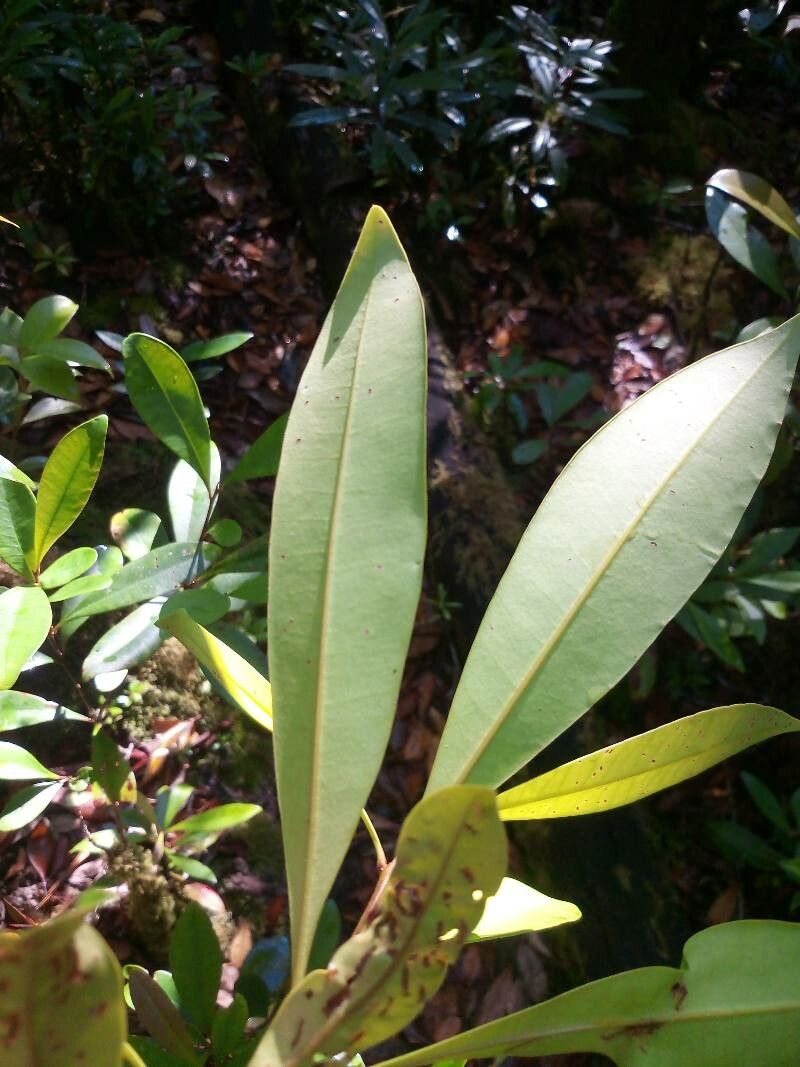
Hey there, fellow plant lovers! I’m so excited to chat with you today about a truly special tree: Tristaniopsis obovata, often called Water Gum or Kanooka. Honestly, its glossy, leathery leaves and gorgeous, peeling bark are just stunning. But what I really love is how this beauty can bring a bit of the Australian landscape right into our gardens. And you know what’s even better than having one? Growing your own from scratch! It’s a genuinely rewarding process, taking a tiny sliver of life and watching it blossom into a new plant. For beginners, I’d say Tristaniopsis obovata is moderately easy to propagate. A little patience and attention go a long way!
The Best Time to Start
For the absolute best chance of success, I always recommend taking cuttings in late spring or early summer. This is when the plant is actively growing, producing fresh, pliable shoots that have a good chance of rooting. You can also try in early autumn, but the warmer months really give those roots a kickstart. Look for stems that are semi-hardwood – not brand new and flimsy, but not old and woody either. They should snap cleanly when bent, rather than bending without breaking.
Supplies You’ll Need
Gathering your supplies before you begin makes everything so much smoother. Here’s what I usually have on hand:
- Sharp pruning shears or a clean knife: For making neat cuts on your cuttings.
- Rooting hormone: This is a great helper, especially for woody plants like Tristaniopsis. I prefer powder or gel.
- Potting mix: A light, well-draining mix is crucial. I often use a blend of perlite and peat moss (roughly 50/50) or a specialized propagation mix.
- Small pots or trays: Clean pots are a must to prevent disease.
- Plastic bags or a propagator: To create a humid environment.
- Labels and a pen: To keep track of what you’ve planted and when!
- A watering can with a fine rose: For gentle watering.
Propagation Methods: Stem Cuttings
This is my go-to method for Tristaniopsis obovata. It’s reliable and gives you the most bang for your buck.
- Select and Cut: Head out to your Tristaniopsis and look for those semi-hardwood stems I mentioned. Using your clean shears or knife, take cuttings that are about 10-15 cm (4-6 inches) long. Make the cut just below a leaf node (where a leaf attaches to the stem).
- Prepare the Cuttings: Gently remove the leaves from the bottom half of each cutting. You want to leave a few leaves at the top for photosynthesis, but too many can lead to moisture loss. If the remaining leaves are very large, I sometimes cut them in half horizontally to reduce water demand.
- Dip in Rooting Hormone: Moisten the cut end of the stem slightly with water, then dip it into your rooting hormone. Tap off any excess.
- Plant Your Cuttings: Poke a hole in your prepared potting mix using a pencil or dowel. This prevents the rooting hormone from rubbing off. Insert the cutting into the hole, ensuring the nodes where you removed leaves are buried in the soil. Firm the soil gently around the base.
- Create Humidity: Water the soil gently until it’s moist but not waterlogged. Then, cover the pot with a plastic bag or place it in a propagator. Make sure the bag doesn’t touch the leaves too much. This creates that essential humid environment for rooting.
- Provide Light and Warmth: Place your cuttings in a bright spot with indirect light. Avoid direct sun, which can fry them. If you have a heat mat, placing the pots on it can really speed up root development.
The “Secret Sauce” (Pro Tips)
Here are a couple of tricks I’ve learned over the years that really help boost success:
- Bottom Heat is Your Friend: Seriously, this is a game-changer. Tristaniopsis roots develop much faster and more reliably when they have a bit of warmth coming from below. A simple heating mat designed for propagation works wonders. It encourages root formation from the cut end.
- Don’t Drown Them: While humidity is vital, waterlogged soil is the quickest way to rot. I always tell people to water until the soil is evenly moist, and then let the surface dry out slightly before watering again. You can even lift the pot to feel its weight – you’ll get a feel for when it needs a drink. Never let your cuttings sit in standing water.
Aftercare & Troubleshooting
Once you start to see signs of new growth, that’s a fantastic indicator that roots are forming! You’ll likely see tiny new leaves or shoots appearing.
- Gradual Acclimatization: Once roots are established (you can gently tug on a cutting – if there’s resistance, you have roots!), it’s time to gradually remove the plastic cover. Start by taking it off for a few hours each day, then leave it off completely over a week or so. This helps the new plant adjust to normal humidity levels.
- Watering: Continue to water as needed, keeping the soil consistently moist but not soggy.
- Potting Up: When the plant has a good root system and has developed a few inches of new growth, you can carefully repot it into a slightly larger pot with a good quality potting mix.
Troubleshooting: The most common problem you’ll encounter is rot. If your cuttings turn mushy or black, it’s usually due to overwatering and a lack of air circulation. If you see this happening, try to increase air flow slightly and be much more conservative with watering. Occasionally, cuttings just don’t take – and that’s okay! Don’t get discouraged; gardening is all about learning and trying again.
A Little Patience, Big Rewards
Propagating a plant like Tristaniopsis obovata is such a rewarding feeling. It takes a bit of time, a keen eye, and a fair bit of patience, but watching those tiny roots unfurl and a new plant emerge is truly magical. So grab your shears, get your hands dirty, and enjoy the process of bringing more beauty into your garden! Happy propagating!
Resource: