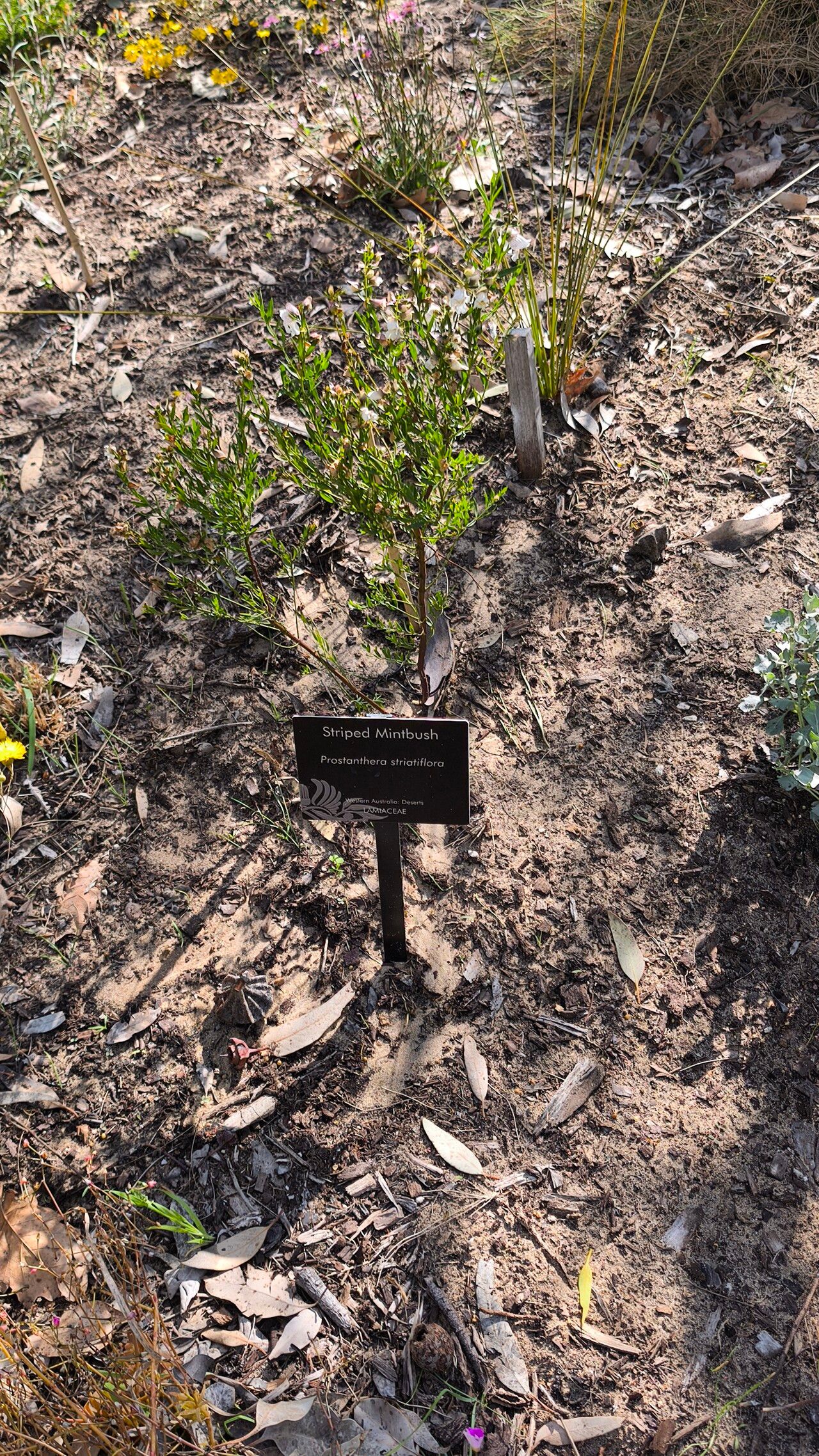
Hello fellow garden enthusiasts! Today, we’re diving into the wonderful world of propagating Prostanthera striatiflora, also known as the Box-leaf Mint Bush. These beauties are a real treat in the garden, with their delicate, often fragrant, flowers and lovely foliage. Plus, there’s something incredibly satisfying about growing a new plant from a tiny piece of the mother plant. If you’re a beginner gardener, I’d say Prostanthera striatiflora is moderately easy to propagate. It’s not a “stick it in the ground and forget it” kind of plant, but with a little attention, you’ll be rewarded with success.
The Best Time to Start
For Prostanthera striatiflora, the sweet spot for propagation is late spring to early summer. This is when the plant is actively growing, and the new shoots are semi-hardwood. They have enough strength to root but aren’t so woody that they struggle to take. Look for stems that have started to firm up but still have a bit of flexibility. Avoid taking pieces from very soft, new growth or old, woody stems for the best results.
Supplies You’ll Need
Here’s what I like to have on hand when I’m setting up for propagation:
- Sharp, clean pruning shears or a good knife: Essential for making clean cuts.
- Rooting hormone powder or gel: This really gives your cuttings a boost.
- Well-draining potting mix: I usually use a mix of equal parts peat moss or coco coir and perlite. You can also use a commercial seed starting mix.
- Small pots or seed trays: Clean containers are a must to prevent disease.
- Plastic bags or a propagator lid: To create a humid environment.
- Watering can or spray bottle: For gentle watering.
- Labels and a marker: So you remember what you planted where!
Propagation Methods
The most reliable way to propagate Prostanthera striatiflora is through stem cuttings. It’s straightforward and gives you a great chance of success.
- Take Your Cuttings: Using your sterile shears or knife, take cuttings from healthy, vigorous stems. Aim for pieces that are about 4-6 inches long. Make the cut just below a leaf node (where a leaf grows from the stem).
- Prepare the Cuttings: Gently remove the lower leaves from the cutting, leaving just a few at the top. This prevents them from rotting when you plant them. If the leaves are quite large, I sometimes snip them in half to reduce water loss.
- Apply Rooting Hormone: Dip the cut end of each stem into your rooting hormone. Swirl it around to ensure good coverage. Tap off any excess.
- Plant the Cuttings: Fill your pots or trays with your chosen potting mix. Make a hole in the center of the mix with your finger or a pencil. Insert the cut end of the stem into the hole, making sure the rooting hormone stays on the cut end. Gently firm the mix around the stem.
- Water Gently: Water the mix thoroughly but gently, so you don’t dislodge the cuttings.
- Create Humidity: Cover the pots with a clear plastic bag, creating a mini-greenhouse. You can also use a propagator lid. Ensure the plastic doesn’t touch the leaves directly if possible. Place the pots in a warm, bright location, but out of direct sunlight.
The “Secret Sauce” (Pro Tips)
Over the years, I’ve learned a few tricks that seem to make a big difference. Firstly, don’t overcrowd your cuttings. Give them a little breathing room in the pot; it helps with air circulation and reduces the chance of fungal issues. Secondly, consider bottom heat. If you have a heat mat, placing your propagation pots on it can significantly speed up root development. It mimics the warmth of the soil in summer. And a final little tip: regularly check for moisture. The potting mix should be consistently moist but not soggy. A gentle misting or a light watering is usually enough.
Aftercare & Troubleshooting
Once your cuttings have developed roots (you might see them emerging from the drainage holes or feel a bit of resistance when you gently tug), they are ready for a bit more independence. Gradually acclimatize them to open air by removing the plastic cover for increasing periods over a few days. Once they are robust enough, you can transplant them into individual, slightly larger pots with your regular potting mix.
The most common issue you might face is rot. If your cuttings look limp and mushy, or you see mold developing, it’s usually a sign of too much moisture and poor air circulation. Unfortunately, in these cases, they are usually beyond saving. If you see a cutting perking up and then suddenly wilting, it might be struggling to root, or it could be drying out too quickly. Consistent moisture and humidity are key.
A Little Patience Goes a Long Way
Propagating plants is a journey, and with Prostanthera striatiflora, it’s especially rewarding. Be patient with your little cuttings. They work on their own timeline, and seeing those first tiny roots emerge is a truly special moment. Enjoy the process, learn from each attempt, and before you know it, you’ll have a whole new generation of beautiful Box-leaf Mint Bushes to adorn your garden or share with friends. Happy gardening!
Resource:
https://identify.plantnet.org/k-world-flora/species/Prostanthera%20striatiflora%20F.Muell./data