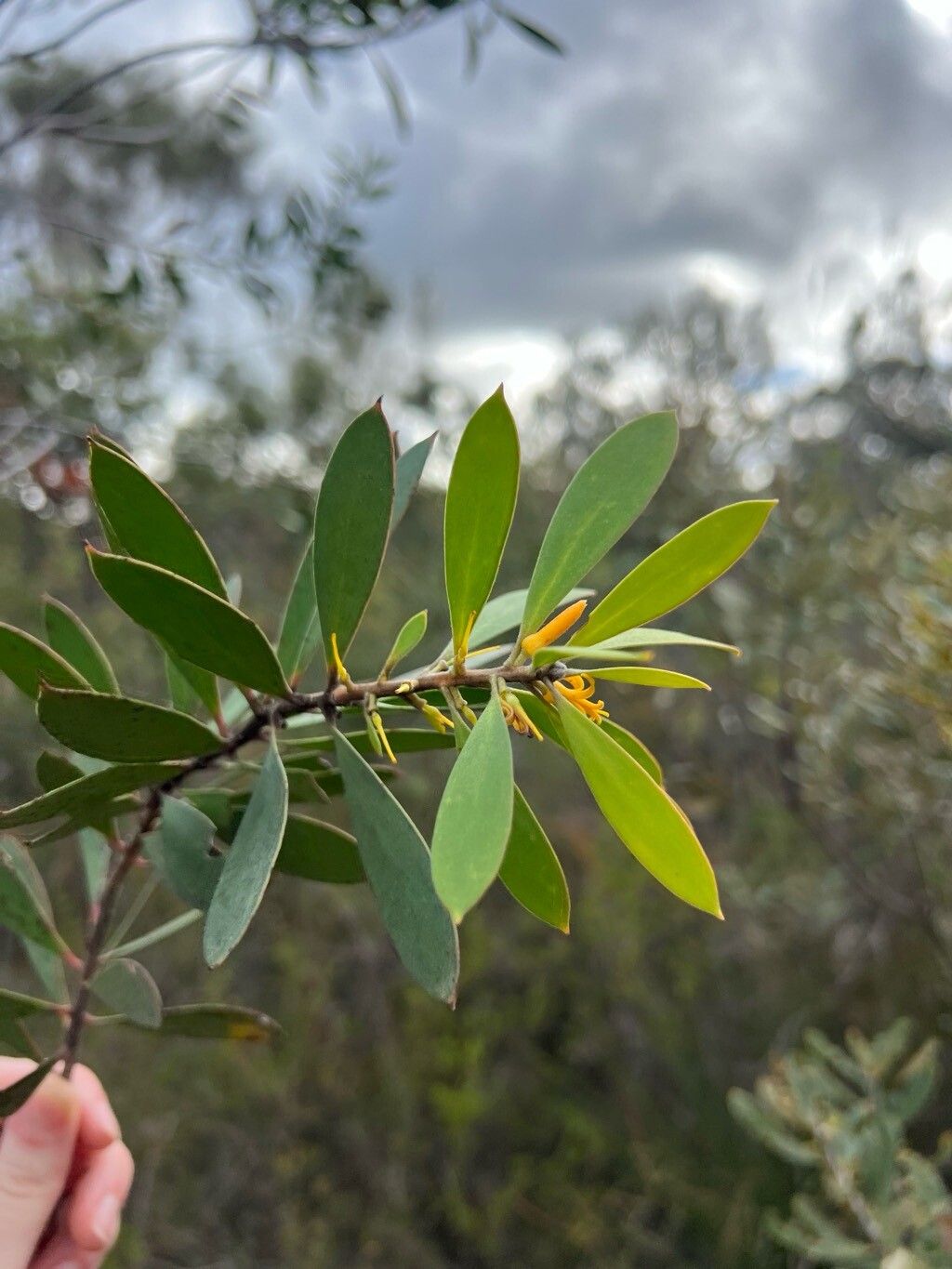
Hello there, fellow garden enthusiasts! Today, we’re diving into the wonderful world of propagating one of my absolute favorites: Persoonia lanceolata, often called the Lance-leaf Geebung. If you adore its elegant, weeping foliage and the subtle charm it brings to a garden, you’re in for a treat because growing your own from cuttings is incredibly rewarding.
Now, I won’t lie, propagating Persoonia can be a little nuanced. It’s not quite a “sticked and forgotten” kind of plant for absolute beginners. But with a bit of care and understanding, it’s absolutely achievable, and the satisfaction you’ll get from nurturing a new life from a simple cutting is just immense.
The Best Time to Start
For Persoonia lanceolata, the absolute sweet spot is late spring to early summer, right as the plant is actively pushing out new growth. Look for stems that are firm but still a little pliable – what we in the gardening biz call “semi-hardwood” cuttings. You want to avoid anything too soft and leggy or anything too old and woody.
Supplies You’ll Need
Before we get our hands dirty, let’s gather our army of tools:
- Sharp, clean pruning shears or a sharp knife: Essential for making clean cuts that heal well.
- Rooting hormone powder or gel: This is a helpful boost for encouraging root development.
- A well-draining potting mix: I usually use a blend of perlite and coarse sand with a bit of peat or coco coir. Think of it as creating an airy, fast-draining environment.
- Small pots or propagation trays: Anything that can hold your mix and a cutting. Make sure they have drainage holes!
- A clear plastic bag or propagation dome: This creates a humid microclimate for your cuttings.
- A mister or spray bottle: For gently misting water.
Propagation Methods: Stem Cuttings
This is generally the most successful route for Persoonia lanceolata.
- Take the Cuttings: On a mild day, using your clean shears, take cuttings that are about 10-15 cm long. Make your cut just below a leaf node (where a leaf emerges from the stem). This is where the magic happens!
- Prepare the Cuttings: Gently remove the lower leaves. You want to expose a bit of the stem for rooting. You can leave a few leaves at the top to help the cutting photosynthesize, but don’t let them crowd each other. If the leaves are very large, I sometimes trim them in half to reduce water loss.
- Apply Rooting Hormone: Dip the cut end of the stem into your rooting hormone, tapping off any excess.
- Plant the Cuttings: Make a hole in your prepared, moist potting mix with a pencil or your finger. Gently insert the cutting into the hole, ensuring it’s firm and standing upright. Press the soil gently around the base.
- Create Humidity: Water the pot lightly and then cover it with a clear plastic bag or propagation dome. This traps moisture and keeps the humidity high, which is crucial for cuttings to root without drying out. You can use stakes to keep the bag from touching the leaves.
The “Secret Sauce” (Pro Tips)
Here are a couple of things I’ve learned that really make a difference:
- Don’t let the leaves touch the water in the pot. This is a big one for preventing rot. If you’re using a plastic bag, make sure it’s supported so it doesn’t create puddles on the leaves.
- Bottom heat is your friend. While not strictly essential, placing your propagation tray on a gentle heat mat can significantly speed up root formation. It mimics the warmth of the soil in spring and encourages those roots to stretch out.
Aftercare & Troubleshooting
Once your cuttings are in their cozy, humid environment, it’s all about patience.
- Check for moisture: Periodically lift the bag and feel the soil. It should be consistently moist, but not waterlogged. Mist lightly if it feels dry.
- Provide bright, indirect light: Avoid direct sun, as it can scorch the delicate cuttings. A bright window or under grow lights is perfect.
- Give it time: Rooting can take anywhere from 4 weeks to several months. You’ll know they’ve rooted when you gently tug on the cutting and feel resistance, or when you see new leaf growth emerging.
- Watch out for rot: The most common issue is stem rot, which looks like a black, mushy base. If you see this, unfortunately, that cutting is likely lost. This often happens from overwatering or poor air circulation. Ensure your mix is free-draining and that you’re not keeping things too soggy.
A Bit More Patience, And You’ll Be Rewarded!
Propagating Persoonia lanceolata is a journey. There will be moments of doubt, but when you finally see those tiny roots peeking out, or the first flush of new growth, the feeling is unbeatable. Keep at it, learn from each attempt, and soon you’ll be sharing your own Geebungs with friends. Happy gardening!
Resource:
https://identify.plantnet.org/k-world-flora/species/Persoonia%20lanceolata%20Andrews/data