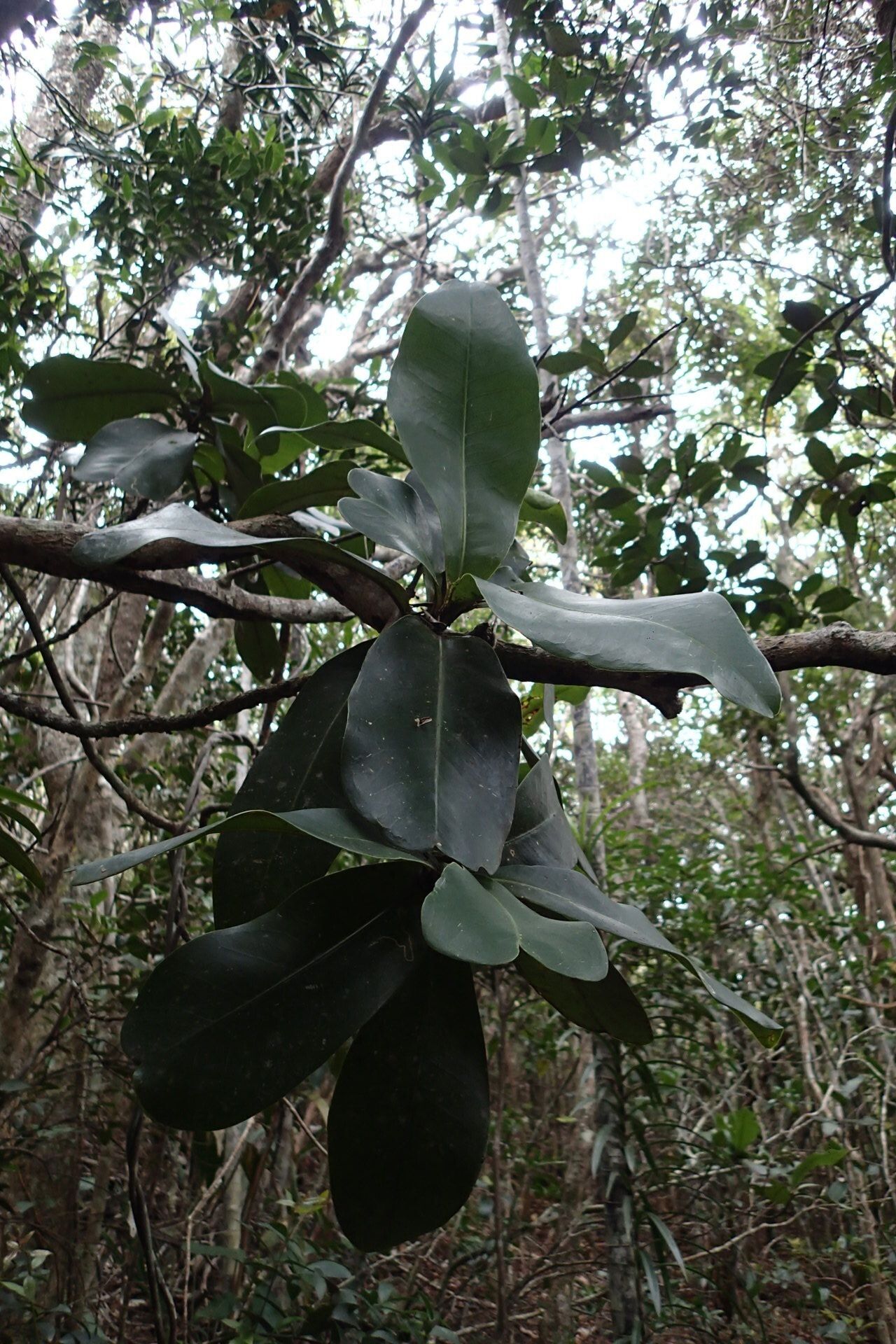
Oh, hello there! Come on in, grab a mug. I’m so glad you’re curious about Medicosma subsessilis. It’s a truly lovely plant, isn’t it? That glossy foliage and its delicate little flowers – so understatedly elegant. And the best part? Once you get the hang of it, propagating it is incredibly rewarding. You get to share this beauty with friends, or simply fill your own space with more of its charm. Now, for beginners, I’d say Medicosma subsessilis is moderately easy. It’s not quite a “stick it in the ground and forget it” kind of plant, but with a little attention, you’ll do wonderfully.
The Best Time to Start
Honestly, spring is your best friend when it comes to taking cuttings from Medicosma subsessilis. Think of it as the plant waking up after its winter rest. It’s bursting with youthful energy, ready to grow. You’ll want to aim for the new, soft growth that’s just starting to firm up a bit – not the floppy, brand-new tips, but something with a bit more structure. It’s like picking a perfectly ripe fruit; it’s ready for the next step.
Supplies You’ll Need
Getting your materials together upfront makes the whole process much smoother. Here’s what I always have on hand:
- Sharp Pruning Shears or a Craft Knife: Clean cuts are crucial for preventing disease.
- Rooting Hormone (Optional but helpful): A good quality rooting powder or gel can really boost your success rate.
- Well-Draining Potting Mix: I prefer a blend of peat-free compost, perlite, and a little coarse sand. The perlite and sand are key for drainage – soggy roots are a Medicosma‘s worst nightmare.
- Small Pots or Trays: Clean containers with drainage holes are essential.
- Clear Plastic Bags or Domes: To create a mini-greenhouse effect.
- Watering Can with a Fine Rose: For gentle watering.
Propagation Methods
Where I live, stem cuttings are my go-to for Medicosma subsessilis. It’s reliable and gives you plenty of new plants.
Stem Cuttings
- Select Your Mother Plant: Choose a healthy, vigorous Medicosma subsessilis that’s showing good new growth.
- Take Your Cuttings: Using your clean shears or knife, take 4-6 inch cuttings from the tip of a stem. Make the cut just below a leaf node – that’s the little bump where a leaf attaches to the stem. This is where the magic happens for root formation.
- Prepare the Cuttings: Gently remove the lower leaves from the cutting, leaving just two or three at the very top. This reduces water loss. If the leaves are quite large, I often snip them in half to further reduce transpiration.
- Apply Rooting Hormone (if using): Dip the cut end of the stem into the rooting hormone, tapping off any excess.
- Pot Up Your Cuttings: Fill your small pots with your well-draining mix. Make a small pilot hole with a pencil or skewer. Carefully insert the cutting into the hole, ensuring the leaf node is below the soil surface. Gently firm the soil around the stem.
- Water Gently: Water thoroughly but gently, allowing excess water to drain away.
- Create the Greenhouse: Place a clear plastic bag over the pot, securing it with a rubber band or placing the pot inside a larger tray with a clear dome. This humidity is vital.
- Find a Bright Spot: Place the pots in a bright location, but out of direct sunlight. Early morning or late afternoon sun is fine, but harsh midday sun will scorch those new cuttings.
The “Secret Sauce”
Here are a few things I’ve learned over the years that really make a difference:
- Bottom Heat is Your Friend: If you can, using a heated propagator mat for your pots makes a world of difference. It encourages root development from below, which is a real game-changer for trickier cuttings.
- Don’t Drown Your Cuttings: Even though they need humidity, don’t let the leaves or stems sit in standing water. If you see condensation pooling heavily in your bag, give it a quick airing. The goal is moist, not soggy.
- Be Patient with Leaf Drop: Sometimes, cuttings might drop a leaf or two while they’re trying to establish. Don’t panic! As long as the stem looks firm and green, there’s still hope. It’s just using its available resources to focus on roots.
Aftercare & Troubleshooting
Once you start seeing signs of new growth – a tiny leaf unfurling or the stem looking a bit thicker – it’s a good indicator that roots are forming. You can gently tug on a cutting. If there’s resistance, you’ve got roots! You can then gradually reduce the humidity by poking holes in the plastic bag or raising the dome a little more each day. Eventually, you can remove the cover entirely and treat them like small, established plants.
The main issue to watch out for is rot. If your cutting turns black and mushy, or the leaves start to yellow and fall off rapidly, it’s usually a sign of too much moisture and not enough air circulation. Make sure your soil is draining well and give your propagations a good airing.
A Little Encouragement
Propagating plants is an exercise in patience and observation. You’re working with nature, and sometimes she has her own timetable! Don’t be discouraged if your first attempts aren’t perfect. Every gardener, myself included, has experienced cuttings that just didn’t take. Just keep trying, learn from each experience, and enjoy the process. Soon enough, you’ll be surrounded by your very own Medicosma subsessilis babies! Happy gardening!
Resource:
https://identify.plantnet.org/k-world-flora/species/Medicosma%20subsessilis%20T.G.Hartley/data