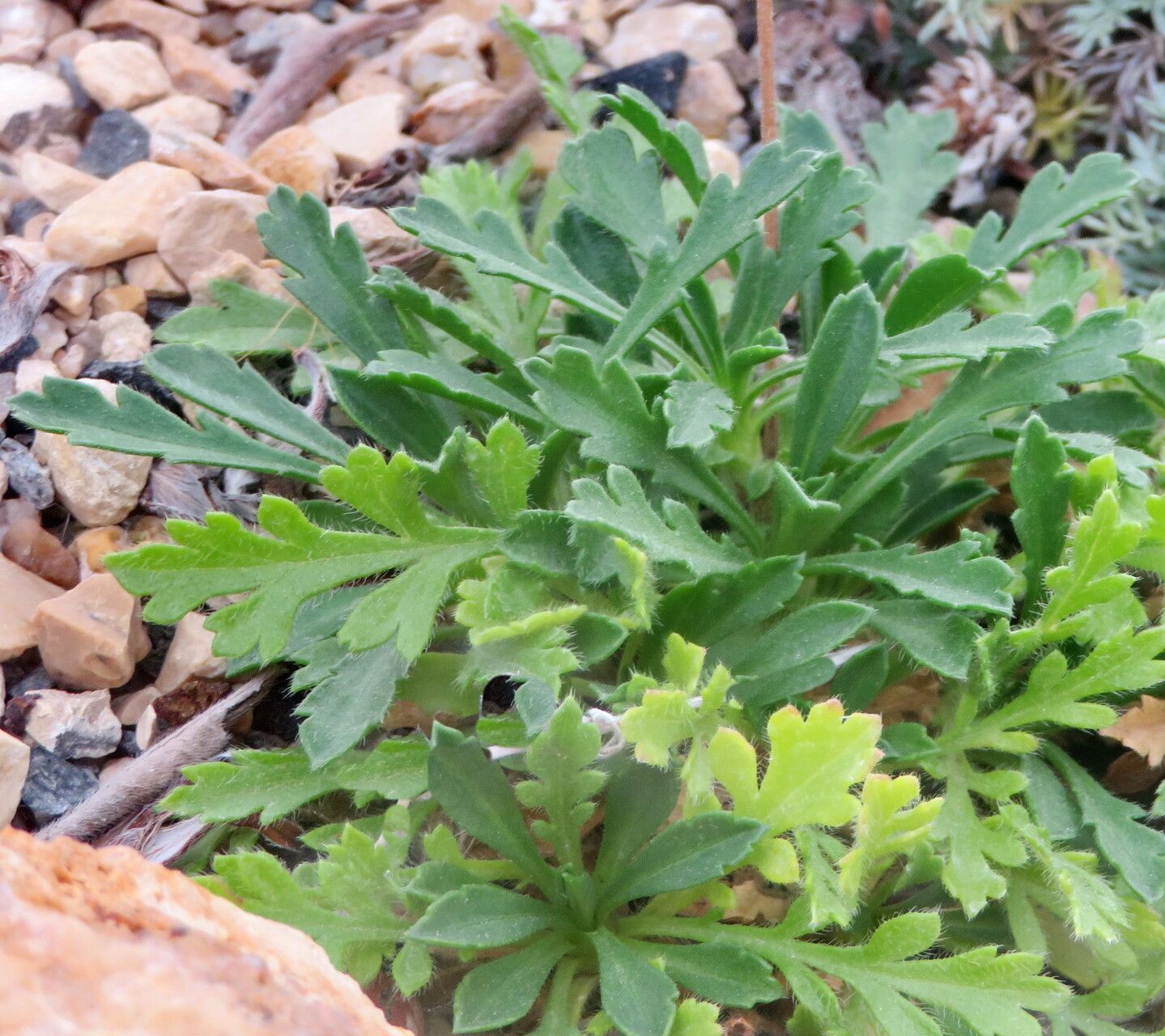
Hello fellow green thumbs! I’m so excited to chat with you today about a garden gem that just brings a smile to my face: Lomelosia crenata. You might know it by its common name, the pincushion flower, and honestly, the name just fits! Those delicate, pom-pom-like blooms in shades of soft pink, lavender, and white are absolutely charming, looking like they’ve sprung right from a fairy tale.
And the best part? They just keep on blooming throughout the summer and into fall. Their airy presence adds a lovely lightness to borders and containers alike. If you’re looking to fill your garden with more of this delightful beauty, or perhaps share the love with friends, propagating Lomelosia crenata is a wonderfully rewarding endeavor. Now, I’ll be honest, for absolute beginners, it might feel a tad tricky at first, but with a few pointers, you’ll be well on your way to success.
The Best Time to Start
For the highest success rate with Lomelosia crenata, I always recommend starting in late spring to early summer. This is when the plant is actively growing and has plenty of energy to put into developing new roots. Look for stems that are semi-hardwood – meaning they’re not brand new and floppy, but also not old and woody. They should have a bit of flexibility to them, but hold their shape when you gently bend them.
Supplies You’ll Need
Gathering your supplies makes the whole process smoother, so let’s make sure you have everything on hand:
- Sharp Pruning Shears or a Craft Knife: Clean tools are key to preventing disease.
- Rooting Hormone (Optional but Recommended): This little helper can give your cuttings a significant boost.
- Small Pots or Seed Trays: Clean containers with drainage holes are essential.
- Well-Draining Potting Mix: A good blend of seed starting mix and perlite (about 50/50) is perfect. You want something that doesn’t hold too much moisture.
- Plastic Bags or Humidity Domes: To create a mini greenhouse effect.
- Watering Can with a Fine Rose: To water gently without disturbing the cuttings.
- Labeling Stakes: Don’t forget to mark what you planted and when!
Propagation Methods
The most straightforward way to propagate Lomelosia crenata is through stem cuttings. It’s reliable and gives you a great chance of success.
Stem Cuttings:
- Take Your Cuttings: Select healthy, non-flowering stems from your established plant. Using your clean shears or knife, cut a stem about 3-4 inches long, making the cut just below a leaf node (where a leaf attaches to the stem).
- Prepare the Cuttings: Gently remove the lower leaves from the cutting, leaving just two or three sets of leaves at the top. If there are any flower buds developing, pinch them off – we want the plant’s energy to go into root production, not flowering.
- Apply Rooting Hormone (Optional): Dip the cut end of the stem into a rooting hormone powder or gel. Tap off any excess. This is like giving your cutting a little drink of encouragement!
- Plant Your Cuttings: Fill your small pots or trays with your prepared potting mix. Make a small hole in the center of the mix with your finger or a pencil. Gently insert the cut end of the stem into the hole, ensuring the leaf nodes that were below where you removed leaves are covered by the soil. Lightly firm the soil around the cutting.
- Water Gently: Water the soil thoroughly but gently, so you don’t dislodge the cuttings.
- Create Humidity: Cover the pots with a plastic bag, making sure the leaves don’t touch the plastic if possible (you can use stakes to prop it up). Alternatively, use a humidity dome. This traps moisture, which is vital for cuttings to stay hydrated before they develop their own roots.
- Find the Right Spot: Place the planted cuttings in a bright location out of direct sunlight. A warm spot is ideal.
The “Secret Sauce” (Pro Tips)
Here are a few little tricks I’ve learned over the years that can make a big difference:
- Bottom Heat is a Game Changer: If you have one, placing your cuttings on a gentle heat mat can significantly speed up root development. It warms the soil and encourages those roots to form more readily.
- Don’t Drench the Soil: While moisture is crucial, soggy soil is the enemy of new cuttings. It can lead to rot very quickly. Let the top layer of soil dry out slightly between waterings. You’ll get a feel for it.
- Watch for the “Pull Test”: After a few weeks, you can gently tug on a cutting. If you feel resistance, it means roots have formed! Don’t pull too hard, we don’t want to damage them.
Aftercare & Troubleshooting
Once you see signs of new growth (new leaves unfurling or a gentle tug reveals good root development), it’s time for a bit of adjusted care.
- Acclimatize Gradually: Begin to remove the plastic cover for longer periods each day to help your new plants get used to drier air. This is called acclimatization.
- Water Wisely: Continue to water when the top inch of soil feels dry.
- Patience is Key: New plants are delicate. Keep them in their starter pots until they have a good root system, then you can transplant them into slightly larger pots or directly into your garden beds if the weather is right.
Now, what if things don’t go as planned? The most common issue is rot. If your cuttings turn brown and mushy, or develop black spots, it’s a sign of too much moisture and/or poor air circulation. Unfortunately, these are usually lost causes, but don’t get discouraged! It’s a learning process. Ensure your mix is well-draining, and that you’re not overwatering.
A Encouraging Closing
Propagating Lomelosia crenata is a wonderful way to multiply your garden’s beauty. It takes a little patience and attention, but seeing those tiny roots emerge is one of the most satisfying moments in gardening. Be kind to yourself, learn from each attempt, and most importantly, have fun with the process. Happy propagating!
Resource: