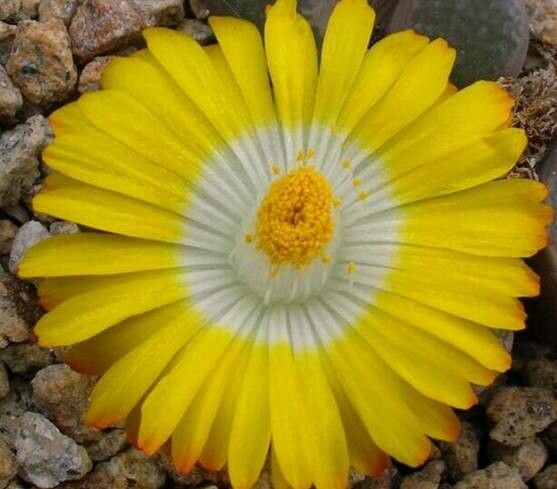
Oh, hello there! Come on in, grab a mug. I’ve been eager to chat with you about Lithops divergens. Aren’t they just the most fascinating little characters? They look like smooth, colorful pebbles, and honestly, they bring a bit of arid desert magic right to your windowsill.
Propagating them can feel a bit like a grand experiment, but when you succeed, there’s a real thrill. It’s like unlocking a tiny botanical secret! For beginners, I’d say Lithops are definitely on the more challenging side, but don’t let that deter you. With a little patience and the right approach, you can absolutely do it. Think of it as a rewarding learning curve.
The Best Time to Start
When it comes to timing, I find the late spring or early summer is your sweet spot. This is when Lithops are typically in their active growth phase, and any babies they might produce are usually visible. Starting a propagation during their dormant winter period is generally not recommended. You want to work with the plant when it’s feeling energetic and ready to spring back to life.
Supplies You’ll Need
Here’s what I’ve found indispensable for a smooth propagation process:
- Well-draining soil mix: A gritty succulent or cactus mix is a must. I often amend commercial mixes with extra perlite or pumice for even better drainage. Think of it like gravel for roots!
- Sharp, sterilized cutting tool: A clean razor blade, a sharp craft knife, or even small, pointed pruning shears work well. Sterilize them with rubbing alcohol or a quick flame to prevent disease.
- Perlite or coarse sand: For top dressing or mixing into the soil to ensure airflow.
- Small pots or propagation trays: Shallow containers are best. Terracotta pots are my favorite for their breathability.
- Spray bottle: For a light misting, if needed.
- Bottom heat source (optional but helpful): A seedling heat mat can significantly speed up root development.
- Rooting hormone (optional, and use sparingly): While not always essential for Lithops, a dab can sometimes give you an extra boost.
Propagation Methods
Lithops aren’t your typical leafy cuttings, so the methods are a bit different. The primary way we propagate them is through division, often when a new plantlet emerges from the parent.
Division of Plantlets:
- Observe your Lithops: Look closely at your mature Lithops. Very often, especially after a good growing season, you’ll see a new, smaller pair of leaves emerging from the fissure of the parent plant. This is a baby Lithops, and it’s usually ready to be separated when it’s about a third to half the size of the parent.
- Wait until the parent is actively growing: As I mentioned, spring or early summer is ideal. Make sure the parent plant isn’t in its dormant phase, otherwise, the stress might be too much.
- Gently expose the baby: If the baby is already visible, you might need to carefully brush away a little soil from around its base. You’re looking for where the baby plant is attached to the parent.
- Carefully separate: This is where your sterilized cutting tool comes in handy. Using your razor blade or knife, gently cut the connection between the baby and the parent. Try to make a clean cut as close to the parent as possible without damaging either plant. Sometimes, the baby will naturally detach with a gentle tug, but a clean cut is usually more reliable.
- Allow to callus: This is a critical step! Place the separated baby Lithops on a dry paper towel or in a clean, airy spot for 2-5 days until the cut end has dried and callused over. This prevents rot when you plant it.
- Plant your new Lithops: Fill your small pot with your gritty soil mix. Make a small indentation in the soil and gently place the callused end of your baby Lithops into the soil. You want the base of the leaves to be just above the soil surface. Don’t bury it too deep!
- Water sparingly at first: Do NOT water immediately after planting. Wait for about a week. Then, give it a very light watering, allowing the soil to dry out completely between waterings.
The “Secret Sauce” (Pro Tips)
Having gardened with these little rocks for a while, I’ve picked up a few tricks that seem to make all the difference.
- Mimic the desert floor: When you plant your divisions, consider adding a thin layer of coarse sand or fine gravel around the base of the plant. This isn’t just for looks; it helps to wick away any lingering moisture from the leaves and allows for better airflow, reducing the risk of rot, especially when the plant is still getting established.
- Patience with the first watering is key: I know it’s tempting to give them a drink as soon as they’re in the soil, but really, resist! Let that callus harden up completely, and then give them a week. Think of it as giving them time to settle in before they get hydrated. It’s counterintuitive, but it works wonders for preventing that dreaded rot.
- Bottom heat is your friend: If you’re propagating a few, investing in a small seedling heat mat can be a game-changer. Placing your pots on top of a gentle heat source (around 70-75°F or 21-24°C) encourages root development much faster than relying on ambient room temperature alone. It really gives those roots the nudge they need to get growing.
Aftercare & Troubleshooting
Once your baby Lithops is in its pot and happy, the aftercare is about creating the right environment. Continue to water only when the soil is completely dry. The soil should feel like a dry desert floor between waterings. As roots develop, you’ll notice the plant plump up and look a bit more robust.
The most common problem you’ll encounter is rot. If you see your Lithops becoming mushy, translucent, or developing black spots, it’s a sign of too much moisture. Unfortunately, if rot sets in, it’s very difficult to save, but this is where those great drainage and careful watering habits come into play. If you’re unsure if it needs water, wait another day or two. It’s better to be a little too dry than a little too wet.
Sometimes, a division might just fail to root. Don’t get discouraged! It happens. It might mean the original connection wasn’t clean enough, or the plant wasn’t quite ready.
A Encouraging Closing
Propagating Lithops is a journey, and each success feels like a small victory. Be patient with your little pebbles. Give them the right conditions, and remember that nature knows best. Enjoy watching these fascinating plants grow and perhaps even share a piece of their desert charm with a friend. Happy growing!
Resource:
https://identify.plantnet.org/k-world-flora/species/Lithops%20divergens%20L.Bolus/data