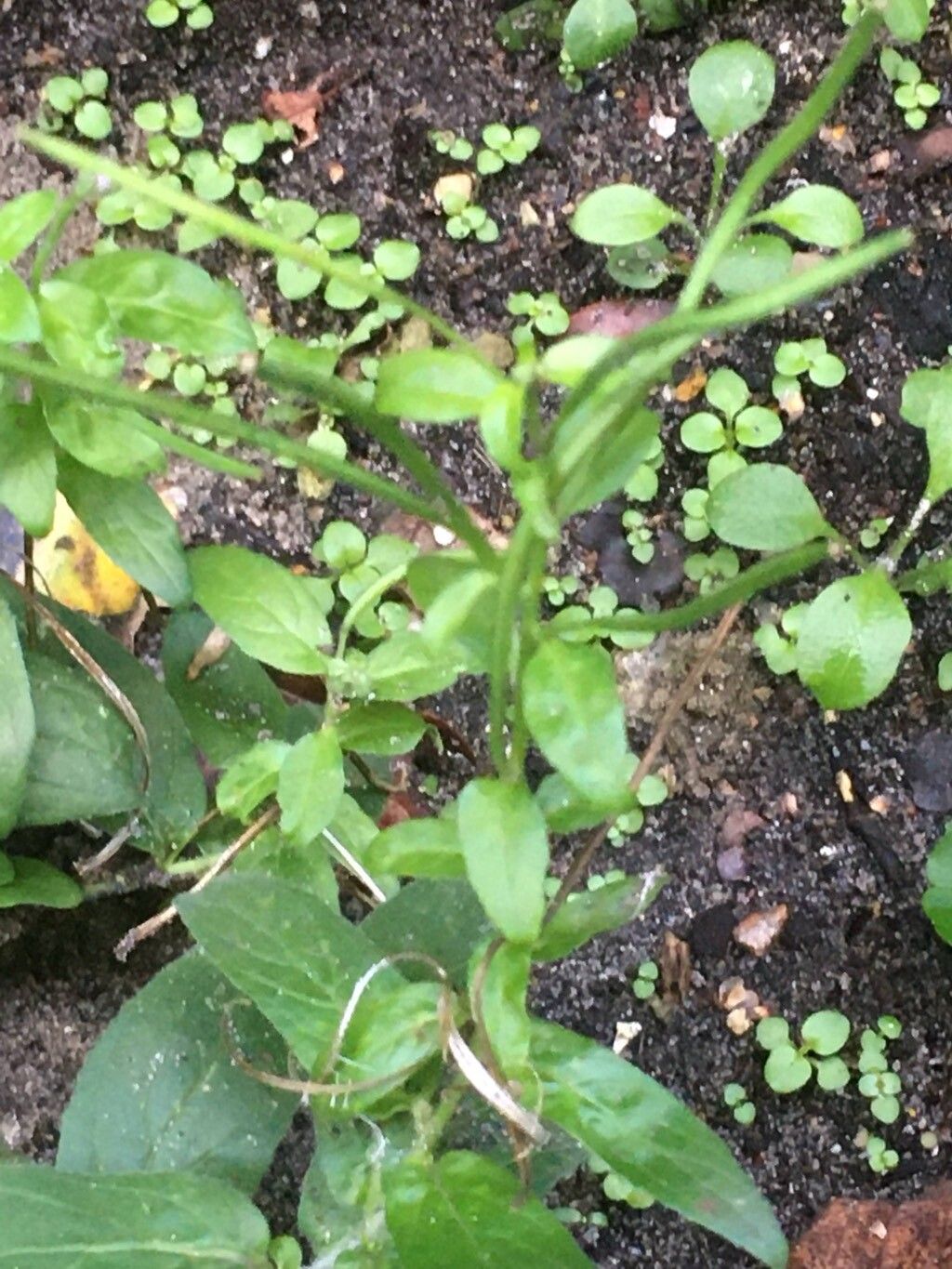
Oh, hello there! It’s so lovely to have you join me in my little corner of the garden today. We’re going to talk about a truly special plant – Epilobium lactiflorum, or the creamy white flowering willowherb. I’ve been growing these beauties for years, and their delicate, nodding blooms always bring such a gentle charm to the garden. They have this wonderful air of quiet elegance, don’t they? And the best part? They’re surprisingly easy to share! Propagating them yourself is incredibly rewarding, and I find it’s a wonderful way to feel even more connected to your plants. Don’t be intimidated; even if you’re just starting out, you can absolutely do this.
The Best Time to Start
For Epilobium lactiflorum, I find the sweet spot for propagation is usually in late spring or early summer. This is when the plant is really in its active growth phase. You’ll have plenty of healthy, new stems to work with, which means they’re full of energy and ready to root. Waiting until after the main flush of spring growth has begun, but before the real heat of summer sets in, is usually the golden ticket to success.
Supplies You’ll Need
Before we get our hands dirty, let’s gather our essentials:
- Sharp pruning shears or a clean knife: For taking your cuttings. Make sure they’re sterile to prevent disease. A quick wipe with rubbing alcohol works wonders.
- Seedling or potting mix: I like to use a mix that’s well-draining. A good starting point is usually equal parts peat moss or coco coir and perlite or vermiculite.
- Small pots or trays: About 3-4 inches in diameter are perfect for starting new plants. Make sure they have drainage holes!
- Rooting hormone (optional but recommended): This isn’t strictly necessary for Epilobium lactiflorum, but it can certainly give you a boost and speed things up. Look for a powder or gel.
- Plastic bags or a propagator: To create a humid environment for your cuttings.
- Watering can or spray bottle: For gentle watering.
- Labels and a marker: So you don’t forget what you’ve potted up!
Propagation Methods
We’ll focus on a couple of the easiest and most reliable methods for our creamy white willowherb.
1. Stem Cuttings (The Most Common & Reliable)
This is my go-to method for Epilobium lactiflorum.
- Take your cuttings: In late spring or early summer, look for healthy, non-flowering stems. You want pieces that are about 4-6 inches long. Using your clean shears, make a clean cut just below a leaf node (where a leaf attaches to the stem). These nodes are where roots will most readily form.
- Prepare the cuttings: Gently remove the lower leaves from the cutting, leaving just two or three at the very top. This prevents them from rotting when you plant them. If your cutting is very long, you can trim it in half horizontally at the top, as long as you leave a few leaves.
- Apply rooting hormone (optional): Dip the cut end of each stem into your rooting hormone, tapping off any excess.
- Plant your cuttings: Fill your small pots with your prepared potting mix. Make a small hole in the center with your finger or a pencil. Carefully insert the cut end of the stem into the hole, ensuring the rooting hormone stays in place. Gently firm the soil around the stem.
- Water gently: Water the soil thoroughly but gently.
- Create humidity: Cover the pots with a clear plastic bag or place them in a propagator. You can prop the bag up with stakes so it doesn’t touch the leaves.
2. Division (When Plants Get Bushy)
This is best done in early spring, just as new growth is appearing, or in early autumn.
- Gently dig up the plant: Carefully dig around the base of your established Epilobium lactiflorum plant. You want to lift the entire root ball. If it’s a large plant, you might need a garden fork to help loosen it.
- Inspect the roots: Gently shake off some of the excess soil. You’ll be looking for natural divisions in the root system.
- Separate the divisions: You can often pull the divisions apart with your hands. If they’re stubborn, use your sharp knife or a trowel to carefully cut through the roots, ensuring each division has a good amount of roots and some healthy shoots or stems.
- Replant immediately: Plant your divisions into their new positions in the garden or into pots, just as you would a young plant. Water them in well.
The “Secret Sauce” (Pro Tips)
Here are a couple of things I’ve learned over the years that make a difference:
- Don’t let the leaves touch the water: When you’re doing water propagation (another option, though I find stem cuttings in soil more reliable for this particular plant), it’s crucial that the leaves stay above the water line. Any submerged leaf matter will rot and can kill your cutting.
- Bottom heat is your friend: If you have a heated propagator or a tray with a heat mat, using it can significantly speed up root development on your stem cuttings. Willowherbs love a bit of warmth to get those roots going! It mimics the conditions they’d find in their favorite sunny spots.
Aftercare & Troubleshooting
Once you’ve planted your cuttings or divisions, now comes the waiting game – and a bit of watchful care.
- Maintain humidity: Keep those plastic bags or propagator lids on to maintain a humid environment. Check daily to ensure the soil is still slightly moist. If it seems dry, give it a light misting.
- Introduce to fresh air gradually: After about 3-4 weeks, you should start to see signs of new growth. This is a good indicator that roots are forming. Begin to gradually increase ventilation by opening the plastic bag or lid for longer periods each day. This helps the new plants harden off and adjust to less humid air.
- When to transplant: You’ll know your cuttings have rooted when they resist gently tugging and show visible new leaf growth. You can then pot them up into slightly larger individual pots or plant them out in the garden after the last frost has passed.
- Watch out for rot: The most common culprit for failure is overwatering and lack of drainage, which leads to rot. If you see your cuttings turning black and mushy, this is likely the issue. Ensure your pots have good drainage and that the soil isn’t waterlogged. It’s always better to be slightly on the dry side than too wet. Sometimes, if a cutting goes completely limp and brown, it’s best to discard it and start fresh.
A Little Bit of Patience Goes a Long Way
Growing new plants from cuttings or divisions is one of life’s simple, yet profound, gardening joys. It connects us to the rhythm of nature and allows us to multiply the beauty in our gardens. Don’t be discouraged if not every single cutting takes; it’s all part of the learning process. Just keep trying, enjoy the feel of the soil between your fingers, and celebrate each new little green shoot that emerges. Happy propagating!
Resource:
https://identify.plantnet.org/k-world-flora/species/Epilobium%20lactiflorum%20Hausskn./data