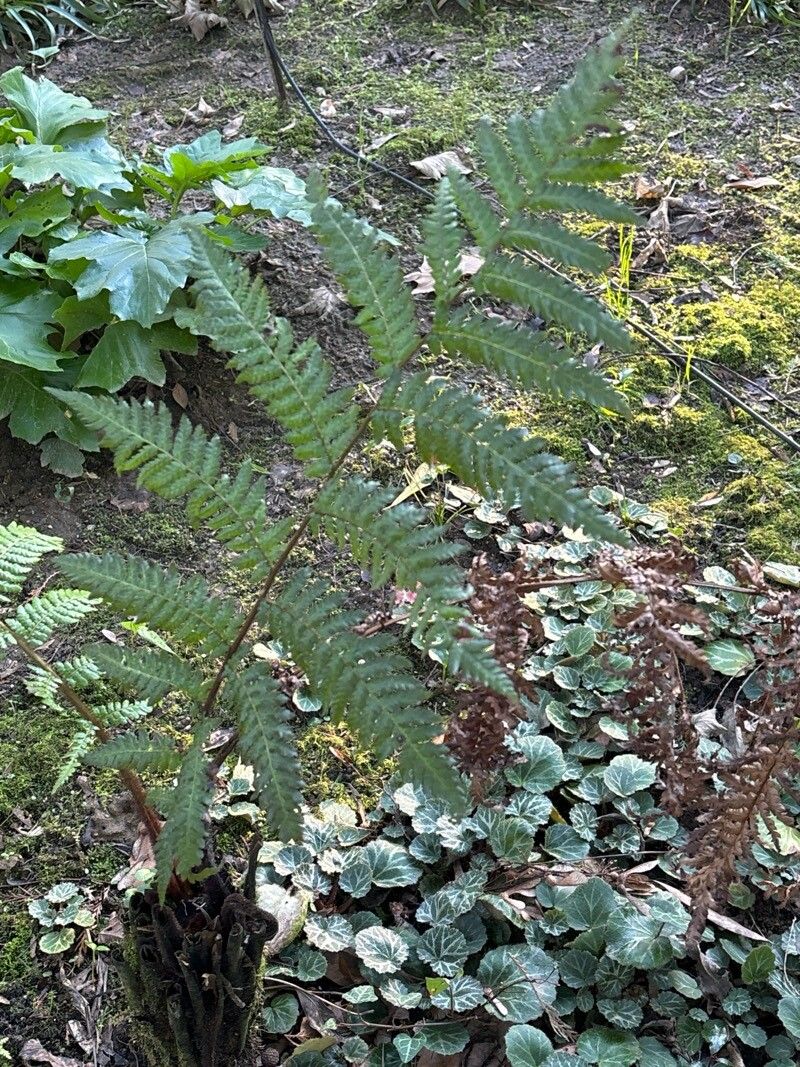
Hello fellow plant lovers! You know those moments when you see a particularly lush, feathery giant fern and just have to have one for yourself? That’s the magic of Dicksonia youngiae, the Soft Tree Fern. Its delicate, almost lace-like fronds create a wonderfully soft texture in the garden, evoking a sense of lush, ancient woodland. And the best part? You can absolutely grow your own!
Propagating these beauties might sound a bit daunting, but I promise, with a little patience and the right approach, it’s a truly rewarding journey. I’ve been coaxing new ferns from my older plants for years, and the feeling of nurturing a tiny new life from a piece of a mature one is just so special. For those just starting out, I’d say Dicksonia youngiae falls on the moderately challenging side. It’s not as simple as sticking a basil cutting in water, but it’s absolutely achievable with focus!
The Best Time to Start
The prime time to get your propagation party started is typically in early to mid-spring. This is when the plant is emerging from its winter dormancy and has a good surge of energy. You want to work with healthy, actively growing material. Avoid trying to propagate from a plant that looks stressed or is during its driest period. Think of it like starting a new adventure when you’re feeling your strongest – your fern cuttings will too!
Supplies You’ll Need
Before we dive in, let’s gather our tools. Having everything ready makes the process so much smoother.
- Sharp pruning shears or a clean, sharp knife: For taking your cuttings. Sterilizing these is crucial!
- Rooting hormone (optional but recommended for stem cuttings): A little boost never hurt anyone.
- A good quality, well-draining potting mix: I often use a mix of peat moss or coco coir, perlite, and a bit of orchid bark. Something that holds moisture but doesn’t get waterlogged.
- Small pots or trays: Clean ones, of course!
- A clear plastic bag or propagator lid: To create a humid environment for your cuttings.
- Watering can with a fine rose nozzle: For gentle watering.
- A sunny windowsill or a bright, indirect light area: Where your cuttings can thrive.
- Bottom heat source (optional but highly beneficial): A seedling heat mat can make a big difference.
Propagation Methods
Dicksonia youngiae can be propagated in a couple of ways, but for most home gardeners, division is the most straightforward and successful.
1. Division (The Most Reliable Method)
This is where you’ll get the best results for new, healthy plants.
- Gently excavate your mature Dicksonia youngiae. If it’s in a pot, carefully tip it out. If it’s in the ground, carefully dig around the root ball. The goal is not to aggressively rip it apart.
- Inspect the root ball and the base of the trunk. You’re looking for separate growth points or offshoots. These often look like smaller, developing fern crowns attached to the main rhizome.
- Using your sterilized knife or shears, carefully separate a division. Make sure the division has a good chunk of roots attached and at least one healthy-looking frond bud or a small frond. Don’t try to take a piece without roots or a growth point – it’s like trying to start a car without an engine!
- Pot up your division. Use your well-draining potting mix in a clean pot. Plant it so the top of the rhizome is just at or slightly below the soil surface.
- Water gently to settle the soil.
2. Stem Cuttings (A Bit More Advanced)
This method involves taking pieces of the rhizome itself, which is more akin to the ‘trunk’ of the fern.
- With your sterilized knife, take a healthy piece of the rhizome from your mature plant. Aim for a piece that is at least a few inches long and has a visible growth bud or a nascent frond.
- Cut any large fronds back to about half their length. This reduces water loss while the cutting tries to root.
- Dip the cut end in rooting hormone if you’re using it.
- Plant the rhizome piece into your moist, well-draining potting mix. Ensure the bud-end is facing upwards. You can plant it horizontally or at a slight angle.
- Cover the pot with a clear plastic bag or propagator lid to maintain high humidity.
The “Secret Sauce” (Pro Tips)
Here are a few little tricks I’ve learned over the years that really boost your success rate.
- Don’t bury the bud! When planting rhizome cuttings, make absolutely sure the growing point (the little spiral at the tip of the rhizome) isn’t completely buried. It needs air and light to sprout. Keep it barely covered or even slightly exposed.
- Mist religiously, but don’t drown. Your cuttings need consistent moisture, but they hate sitting in soggy soil. Regularly mist the leaves and the surface of the soil, especially if you have the humidity dome on. If you see water pooling, gently tip the pot to drain.
- Bottom heat is your best friend. Especially for stem cuttings, a gentle bottom heat from a seedling mat provides the consistent warmth needed for root development. It mimics the warmth of spring soil, giving those little roots a real kick-start.
Aftercare & Troubleshooting
Once you’ve potted up your divisions or cuttings, the real watching game begins!
- Keep it humid and bright. Don’t let the humidity dome completely dry out. The new plant needs that moist air to thrive. Place it in a bright spot, but avoid direct, scorching sunlight, which can scorch tender new fronds.
- Be patient for roots. It can take anywhere from a few weeks to a couple of months for new growth to appear, signaling that roots have formed. For divisions, you should see the existing fronds perking up and new ones unfurling. For cuttings, a new frond bud pushing out is your golden ticket.
- Watch for rot. The biggest enemy is overwatering. If you see your cutting or division going mushy, turning black, or smelling off, it’s likely rot setting in. This usually means it’s too wet or not draining well. sadly, once rot takes hold, recovery is rare. Ensure good air circulation and well-draining soil.
A Little Bit of Patience Goes a Long Way
Propagating Dicksonia youngiae is a journey, not a race. There will be moments of doubt, but when you see that first new frond unfurl, it’s an absolutely magical feeling. Don’t be discouraged if your first attempt isn’t perfect. Learn from it, try again, and savor the process of bringing new life into your garden. Happy growing!
Resource:
https://identify.plantnet.org/k-world-flora/species/Dicksonia%20youngiae%20C.Moore%20ex%20Baker/data