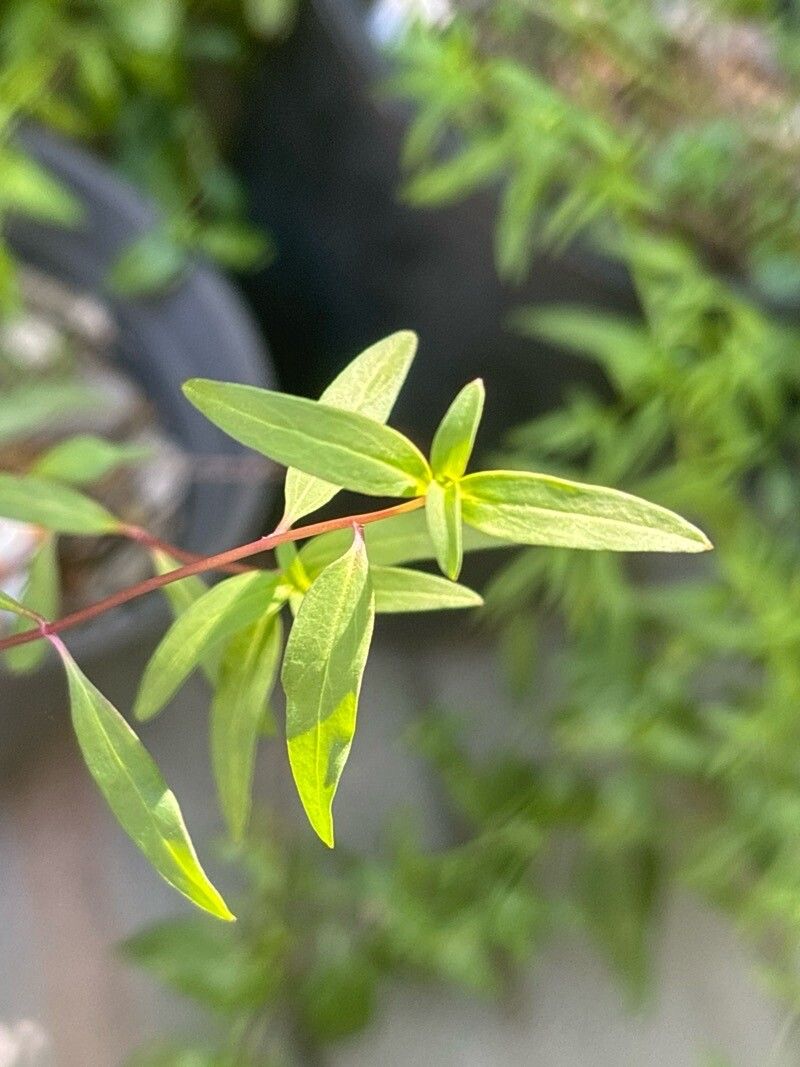
Hey there, fellow garden enthusiasts! I’m so excited to dive into a plant that’s really captured my heart over the years: Antirrhinum cirrhigerum. You might know it better as the “creeping snapdragon.” It’s such a charming plant, with its delicate, trailing stems adorned with those adorable little snapdragon blooms in shades of pink, white, and sometimes even a soft yellow. It’s perfect for tumbling over the edges of pots, weaving through rock gardens, or just adding a touch of whimsy to any sunny spot.
Now, about propagating it. If you’re new to the gardening game, you’ll be happy to hear that Antirrhinum cirrhigerum is remarkably easy to propagate. This is one of those plants that practically begs you to make more of it, which makes it a fantastic choice for beginners and seasoned gardeners alike. There’s a special kind of joy in taking a little piece of a plant you love and watching it grow into its own vibrant, flourishing individual.
The Best Time to Start
For the absolute highest chance of success, I always recommend starting your propagation efforts in late spring or early summer. This is when the plant is actively growing and has plenty of energy. You want to take cuttings from healthy, non-flowering stems. Think of it as catching the plant at its peak, full of vigor and ready to bounce back and create new life.
Supplies You’ll Need
Gathering your supplies beforehand makes the whole process so much smoother. Here’s what I always have on hand:
- Clean, sharp pruning shears or a sharp knife: A clean cut is crucial to prevent disease.
- A well-draining potting mix: I love a blend of seed starting mix and perlite (about a 50/50 ratio). This ensures good aeration and prevents waterlogging, which is a snapdragon’s nemesis.
- Small pots or a seed tray: Clean pots are a must!
- Rooting hormone (optional but recommended): This really gives your cuttings a boost. Look for one with IBA.
- A spray bottle: For gentle misting.
- A plastic bag or clear plastic dome: To create a humid microclimate.
Propagation Methods
Antirrhinum cirrhigerum is a champion when it comes to stem cuttings. It’s straightforward and usually very successful.
Stem Cuttings:
- Take your cuttings: Select a healthy, non-flowering stem that’s about 4-6 inches long. Using your clean shears, make a clean cut just below a leaf node. A leaf node is where a leaf emerges from the stem; this is where roots will form.
- Prepare the cuttings: Gently remove the lower leaves from the cutting, leaving only 2-3 leaves at the top. This prevents them from rotting in the soil. If your cutting is quite long, you can even take a cut just above the bottom leaf node.
- Apply rooting hormone (optional): Dip the cut end of the stem into your rooting hormone, tapping off any excess.
- Plant your cuttings: Fill your small pots with your prepared potting mix. Make a small hole in the center with your finger or a pencil. Gently insert the cutting into the hole, ensuring the leaf nodes you removed are below the soil surface. Firm the soil around the stem.
- Water gently: Water thoroughly but gently, allowing any excess to drain away.
- Create a humid environment: Cover the pot with a clear plastic bag, securing it around the rim with a rubber band, or place the pots under a clear plastic dome. This traps moisture and helps the cuttings stay hydrated while they develop roots. Place them in a bright spot, but out of direct, hot sun.
The “Secret Sauce” (Pro Tips)
After years of playing with plants, I’ve picked up a few tricks that seem to make all the difference.
- Don’t let the leaves touch the water: If you happen to be doing any brief water propagation or if condensation forms heavily, make sure no leaves are submerged in water. This is a fast track to rot. Even in soil, ensure the remaining top leaves have plenty of air circulation.
- Bottom heat is your friend: If you have it, placing your pots on a heated propagation mat can significantly speed up root development, especially if your ambient temperatures are a bit cooler. It mimics the warmth of summer soil.
- Be patient with pinching: Once your cuttings have started to grow and have a few new leaves, you can pinch off the very tip of the main stem. This encourages branching and will result in a bushier, more attractive plant later on.
Aftercare & Troubleshooting
Once you start to see new growth appearing on your cuttings – usually within 3-4 weeks – that’s a good sign things are progressing! You can gently tug on a cutting; if there’s resistance, roots have likely formed.
At this stage, you can gradually acclimate them to drier air by slowly opening the plastic bag or dome over a few days. Once they are robust and the roots are well-established, you can transplant them into their own individual pots. Continue to keep them watered, but allow the top inch of soil to dry out between waterings.
The most common issue you might encounter is rot. If your cuttings turn black and mushy, it’s usually a sign of too much moisture and not enough air circulation. If you see this happening, pull out the affected cuttings immediately to prevent it from spreading. Ensure your soil is well-draining, and don’t overwater!
A Encouraging Closing
Propagating Antirrhinum cirrhigerum is a truly rewarding endeavor. It’s a fantastic way to expand your garden without spending a dime, and there’s immense satisfaction in nurturing these new plants from tiny cuttings. Be patient, enjoy the process, and soon you’ll have a cascade of delightful snapdragon blooms all over your garden! Happy propagating!
Resource: