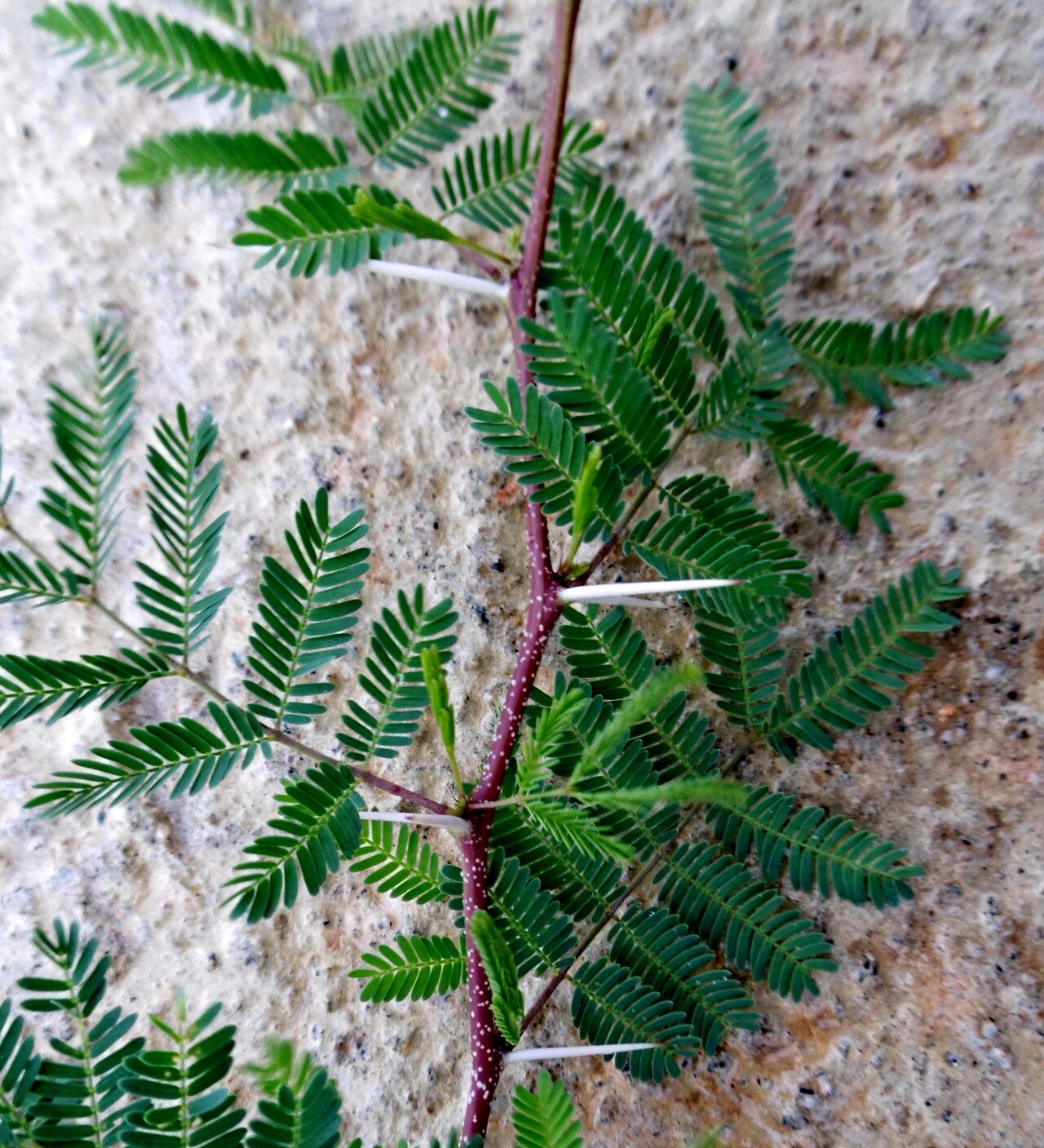
Oh, hello there! Grab a cuppa, let’s chat about Vachellia karroo, also known as the sweet thorn. I’ve spent many a happy hour with this beautiful acacia over the years, and believe me, it’s a plant that just beams sunshine. Its delicate, feathery foliage and those beautiful, fragrant yellow flowers make it a dream for any garden, especially in warmer climes. And the best part? Bringing a new one into the world from your own stock is incredibly rewarding. Now, is it a breeze for a total beginner? I’d say it’s moderately easy. It asks for a little attention, but nothing too daunting.
The Best Time to Start
For Vachellia karroo, the magic happens when the sap is really running. I find late spring to early summer is your golden window. Think of it as when the plant is feeling full of vigour and ready to grow, grow, grow! This is when cuttings will have the best chance of rooting successfully.
Supplies You’ll Need
Here’s what I always have on hand when I’m propagating:
- Sharp pruning shears or a clean, sharp knife: You want a clean cut, always.
- Rooting hormone powder or gel: This is a little booster, and I highly recommend it for Vachellia.
- A well-draining potting mix: I like a blend of equal parts perlite, coarse river sand, and good quality potting soil. Vachellia hates soggy feet, so drainage is key!
- Small pots or seed trays: Clean ones are a must to avoid disease.
- Plastic bags or a propagator: To create a humid microclimate.
- Watering can with a fine rose: Gentle watering is crucial.
- Labels and a marker: Don’t forget to label your precious babies!
Propagation Methods
The most reliable method for Vachellia karroo is taking stem cuttings. Here’s how I do it:
- Select your parent plant: Find a healthy, mature Vachellia karroo. Look for stems that have grown this season but are no longer floppy and soft. They should have a bit of firmness to them.
- Take the cuttings: Using your sharp shears, make a clean cut just below a leaf node (where a leaf joins the stem). Aim for cuttings that are about 4-6 inches long. Remove any lower leaves, but leave a few at the top.
- Prepare the cuttings: Dip the cut end of each cutting into the rooting hormone. Tap off any excess.
- Potting up: Fill your clean pots with your well-draining mix. Make a small hole in the centre of the soil with your finger or a pencil.
- Insert the cuttings: Gently insert the hormone-coated end of the cutting into the hole, making sure at least one leaf node is below the soil surface. Firm the soil around it.
- Water gently: Water well, but be careful not to disturb the cuttings.
- Create humidity: I like to pop a clear plastic bag over the pot, securing it around the rim with a rubber band or twist tie. This creates a mini-greenhouse. For larger batches, a propagator lid works beautifully.
The “Secret Sauce”
Here are a couple of little tricks that have served me well:
- Bottom Heat is Your Friend: Vachellia karroo benefits immensely from a bit of warmth from below. A heated propagator mat really speeds up root development. It mimics that lovely warm earth it craves.
- Cleanliness is Paramount: I cannot stress this enough. Sterilize your tools and pots. Any nasties can quickly undo all your hard work. A quick wipe with rubbing alcohol does wonders.
- Don’t Be Fickle with Watering: Once they are potted up, let the soil dry out slightly between waterings. Overwatering is the quickest way to a sad, rotted cutting. A gentle misting of the leaves can help keep them turgid, but the soil needs to breathe.
Aftercare & Troubleshooting
Once your cuttings have been in their humid environment for a few weeks, you can start to peek. You’ll know they’re rooting when you see new leaf growth. Gently tugging on a cutting – if there’s resistance, you’ve got roots!
When roots have formed strongly (you might see them poking out the drainage holes), it’s time to gradually acclimatize them to drier air. Start by removing the plastic bag for just an hour or two each day, slowly increasing the time. Then, you can transplant them into slightly larger pots.
The most common gremlin you’ll face is rot. If a cutting turns black and mushy, it’s usually a sign of overwatering or poor drainage. Don’t be disheartened if some don’t make it – it’s part of the process. Simply discard the rotted one and ensure your remaining cuttings have better air circulation and slightly drier conditions.
A Encouraging Closing
Propagating Vachellia karroo is a journey, and like all good gardening, it requires a dash of patience. Don’t rush it. Watch your cuttings, learn from them, and celebrate every tiny sign of life. The joy of watching a new plant unfurl and grow from your own efforts is a delight that never fades. Happy propagating!
Resource: