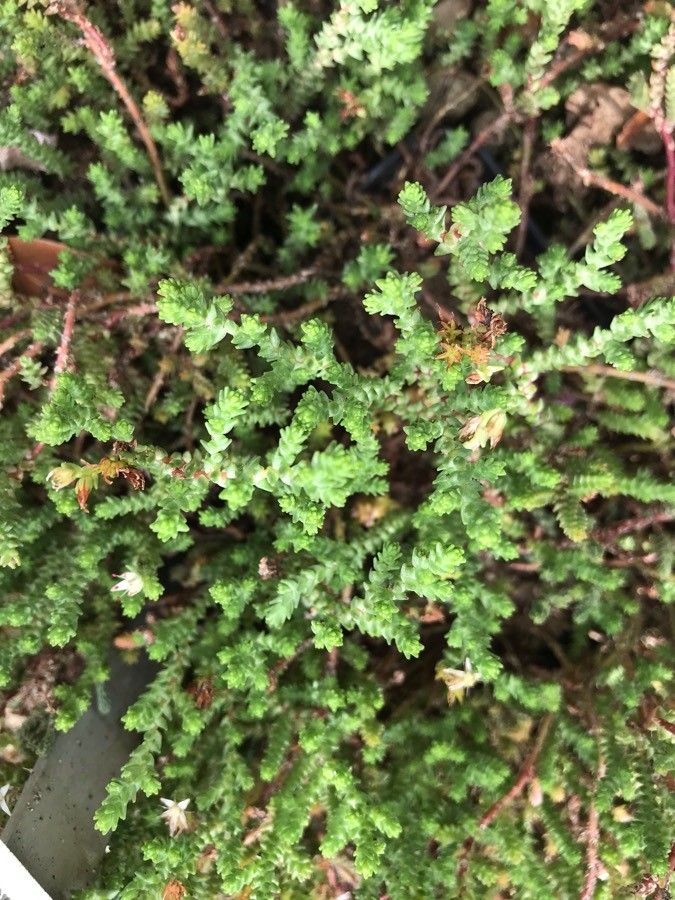
Oh, hello there! It’s so lovely to have you pull up a chair. Today, we’re diving into the wonderful world of Sedum griseum. If you’ve ever admired those charming clusters of silvery-blue, upright stems topped with delicate pink flowers, you’re in for a treat. Propagating Sedum griseum is a fantastic way to share this beauty or simply expand your own succulent family. And let me tell you, this is a wonderfully rewarding project, even for those just dipping their toes into the gardening pond. It’s quite forgiving, so don’t fret!
The Best Time to Start
For the absolute best chance of success, I always reach for my pruning shears in late spring through early summer. This is when the plant is actively growing and buzzing with energy. Those new, firm stems will have the best vigor to establish themselves. Waiting until after the initial spring growth spurt when the plant is no longer focused on flowering is ideal.
Supplies You’ll Need
Gathering your tools makes the whole process much smoother. Here’s what I always have on hand:
- Sharp pruning shears or a clean knife: For making clean cuts.
- Well-draining potting mix: I use a succulent or cactus mix. You can also make your own by combining potting soil with perlite or pumice in a 1:1 ratio.
- Small pots or trays: With drainage holes, of course!
- Rooting hormone (optional but helpful): Especially for stem cuttings.
- Watering can or spray bottle: For gentle watering.
- Labels: To keep track of your new babies!
Propagation Methods
Now, let’s get our hands dirty! Sedum griseum is pretty flexible, and I find these two methods work like a charm.
Stem Cuttings
This is my go-to method. It’s straightforward and yields great results.
- Select your stems: Look for healthy, non-flowering stems that are at least 3-4 inches long.
- Make the cut: Using your sharp shears, make a clean cut just below a leaf node (where a leaf attaches to the stem).
- Prepare the cuttings: Gently remove the leaves from the bottom 1-2 inches of the stem. This prevents them from rotting when planted.
- Let them callus: This is crucial! Place your cuttings in a dry, well-ventilated spot for a few days to a week. This allows the cut end to dry and form a protective callus. It’s like giving them a little band-aid before planting.
- Planting time: Dip the callused end into rooting hormone if you’re using it, then insert the stem into your prepared, well-draining soil. Make sure at least one leaf node is buried.
- Water lightly: Water gently just enough to moisten the soil. Don’t drench it!
Division
If your Sedum griseum has become a bit crowded or bushy, division is a wonderful way to refresh the parent plant and get new ones.
- Gently remove the plant: Carefully unpot your Sedum griseum.
- Loosen the root ball: Gently tease apart the root system. You’re looking for natural divisions where the plant has clumped.
- Separate the sections: Using your hands or a clean knife, gently pull or cut the plant into smaller sections. Each section should have a healthy amount of roots and some healthy foliage.
- Allow to dry (optional but recommended): Similar to cuttings, letting the divided sections sit in a dry spot for a day or two can help prevent rot.
- Pot them up: Plant each division in its own pot with well-draining soil.
The “Secret Sauce” (Pro Tips)
These are little tricks I’ve picked up over the years that make all the difference.
- Don’t overwater initially: This is the most common mistake I see. Succulents are designed to store water. Overwatering newly propagated cuttings or divisions is a fast track to rot. Let the soil dry out slightly between waterings when they are establishing.
- Consider bottom heat: If you’re propagating in a cooler environment or earlier in the season, placing your pots on a heat mat can significantly speed up root development. It mimics the warmth of summer.
- Watch the light: Place your new cuttings or divisions in bright, indirect light. Direct sun can scorch those tender new propagations. As they root and grow stronger, you can gradually introduce them to more sun.
Aftercare & Troubleshooting
Once you see new growth appearing, that’s a good sign roots are forming! Continue to water sparingly, allowing the soil to dry out between waterings. As your new plants get established, you can treat them much like a mature Sedum griseum.
The biggest challenge you’ll likely face is rot. If a cutting turns mushy and black, it’s a sign of too much moisture. Unfortunately, it’s usually best to discard those before they affect other cuttings. If you see a cutting shriveling without any signs of rot, it might not have rooted, or it could be too dry. Try misting the soil lightly or slightly increasing watering frequency.
A Little Encouragement
Propagating plants is a journey. Sometimes things take a little longer than you expect, and sometimes you have a few setbacks. But the joy of watching a tiny cutting transform into a flourishing plant is truly special. Be patient, enjoy the process, and celebrate every little bit of green that appears. Happy gardening!
Resource:
https://identify.plantnet.org/k-world-flora/species/Sedum%20griseum%20Praeger/data