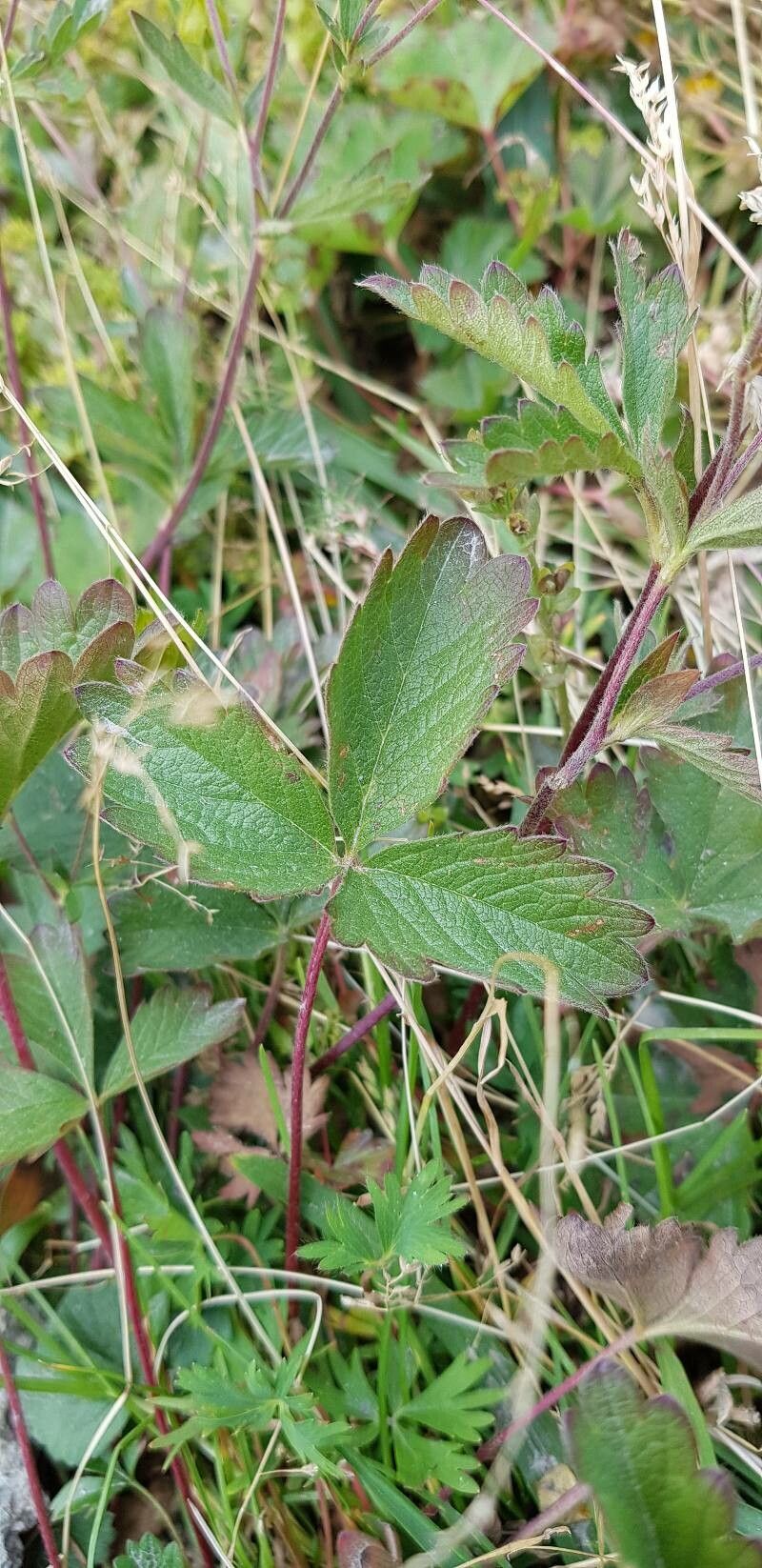
Hello fellow plant lovers! I’m so glad you’ve stopped by today. If you’ve ever admired those cheerful, bright blooms of Potentilla grandiflora gracing a garden, you know exactly why we’re talking about this beauty. Its sunny disposition and easy-going nature make it a real gem. And the best part? It’s a fantastic plant to try your hand at propagating. It’s one of those rewarding projects that really makes you feel connected to the green world around you.
For beginners, I’d say Potentilla grandiflora is relatively straightforward. You don’t need a degree in botany here, just a bit of patience and the right touch. It’s a wonderful plant to start building your propagation skills with.
The Best Time to Start
When is the magic hour for multiplying your Potentilla? I’ve found that late spring to early summer is your sweet spot. This is when the plant is actively growing, and the stems have matured enough to make good cuttings. You’re aiming for stems that are not too young and floppy, but also not too woody and old. Think of them as being “firm but flexible” – just right!
Supplies You’ll Need
Before we get our hands dirty, let’s gather our tools. Having everything ready makes the whole process much smoother.
- Sharp Pruning Shears or a Knife: Clean cuts are essential. Make sure they’re sterilized.
- Potting Mix: A good quality, well-draining potting mix is key. I often use a blend of potting soil and perlite or coarse sand (about a 2:1 ratio) for excellent aeration.
- Small Pots or Seed Trays: Terracotta pots are great as they allow the soil to breathe.
- Rooting Hormone (Optional but Recommended): This gives your cuttings a little boost. You can find powder or gel forms.
- Plastic Bag or Dome: To create a humid environment for your cuttings. If you don’t have a dome, a clean plastic bag works wonders.
- Labels: To remember what you planted and when! Trust me, it’s easy to forget.
- Watering Can or Spray Bottle: For gentle watering.
Propagation Methods
Here are a couple of ways you can get more Potentilla companions.
Stem Cuttings: My Go-To Method
This is my favorite way to propagate Potentilla grandiflora. It’s reliable and gives you a good chance of success.
- Take Your Cuttings: On a bright morning, select healthy, non-flowering stems. Using your clean shears, cut lengths of about 4-6 inches. Take them from the current season’s growth.
- Prepare the Cuttings: Remove the lower leaves from the stem, leaving just a few at the top. This helps prevent them from rotting in the soil. If your cuttings have any flower buds, pinch them off.
- Apply Rooting Hormone (If Using): Dip the cut end of each stem into the rooting hormone, tapping off any excess.
- Pot Them Up: Fill your small pots with the pre-moistened potting mix. Make a hole in the center with your finger or a pencil.
- Insert and Water: Place the cut end of the stem into the hole. Gently firm the soil around it. Give them a gentle watering to settle the soil.
- Create Humidity: Cover the pot with a plastic bag, propping it up with a few skewers so it doesn’t touch the leaves. Alternatively, use a clear propagation dome.
Division: For Established Plants
If you have a well-established Potentilla plant that looks a bit crowded, you can divide it.
- Dig Up the Plant: In early spring, before new growth really takes off, gently dig up the entire plant.
- Separate the Roots: You’ll see distinct clumps of roots and shoots. Gently tease apart these sections with your hands or a trowel. If the roots are really tangled, a clean spade can help you slice through them carefully.
- Replant Immediately: Replant each division into its new location or into pots with fresh soil, ensuring they are planted at the same depth they were before. Water them in well.
The “Secret Sauce” (Pro Tips)
Here are a few little tricks I’ve learned over the years that can make a big difference:
- Bottom Heat is Your Friend: If you can, place your pots on a propagation mat or in a warm spot. This gentle warmth from below encourages faster root development. It’s like a tiny greenhouse for your cuttings’ roots!
- Don’t Drench, Mist: Once your cuttings are potted, avoid soggy soil. It’s better to lightly mist the leaves and soil surface regularly to maintain humidity, rather than drowning them. Overwatering is the quickest way to invite rot.
- Patience with the Roots: When you’re checking for roots, resist the urge to tug! A gentle tug will tell you if roots have formed. If there’s resistance, they’re trying to hold on. The best way to see is to gently lift the cutting out of the pot, or wait for new leaf growth to appear.
Aftercare & Troubleshooting
Once you see those tiny new leaves unfurling, it’s a sure sign that roots have formed!
- Acclimatize Gently: Gradually remove the plastic bag or dome over a week or so, allowing the new plants to get used to normal humidity.
- Gradual Watering: As they become more established, water them a bit more thoroughly, but always allow the top inch of soil to dry out between waterings.
- Transplanting: Once your new Potentilla plants have a good root system and are showing strong growth, you can transplant them into slightly larger pots or their permanent garden spot.
What if things go wrong? The most common culprit is rot. If your cuttings look mushy, discolored, or are falling over, it’s usually a sign of overwatering or poor drainage. If you spot this early, try to gently remove the affected cutting and allow the remaining soil to dry out. Ensure your potting mix is well-draining and you’re not keeping them too wet.
A Little Bit of Patience Goes a Long Way
Propagating plants is a marvelous journey. It teaches you to observe, to adapt, and to appreciate the resilience of nature. Don’t be discouraged if every cutting doesn’t make it. Each attempt is a learning experience, and the joy of nurturing a new plant from a tiny piece of its parent is truly immense. So grab your shears, get your hands dirty, and enjoy the process! Happy propagating!
Resource:
https://identify.plantnet.org/k-world-flora/species/Potentilla%20grandiflora%20L./data