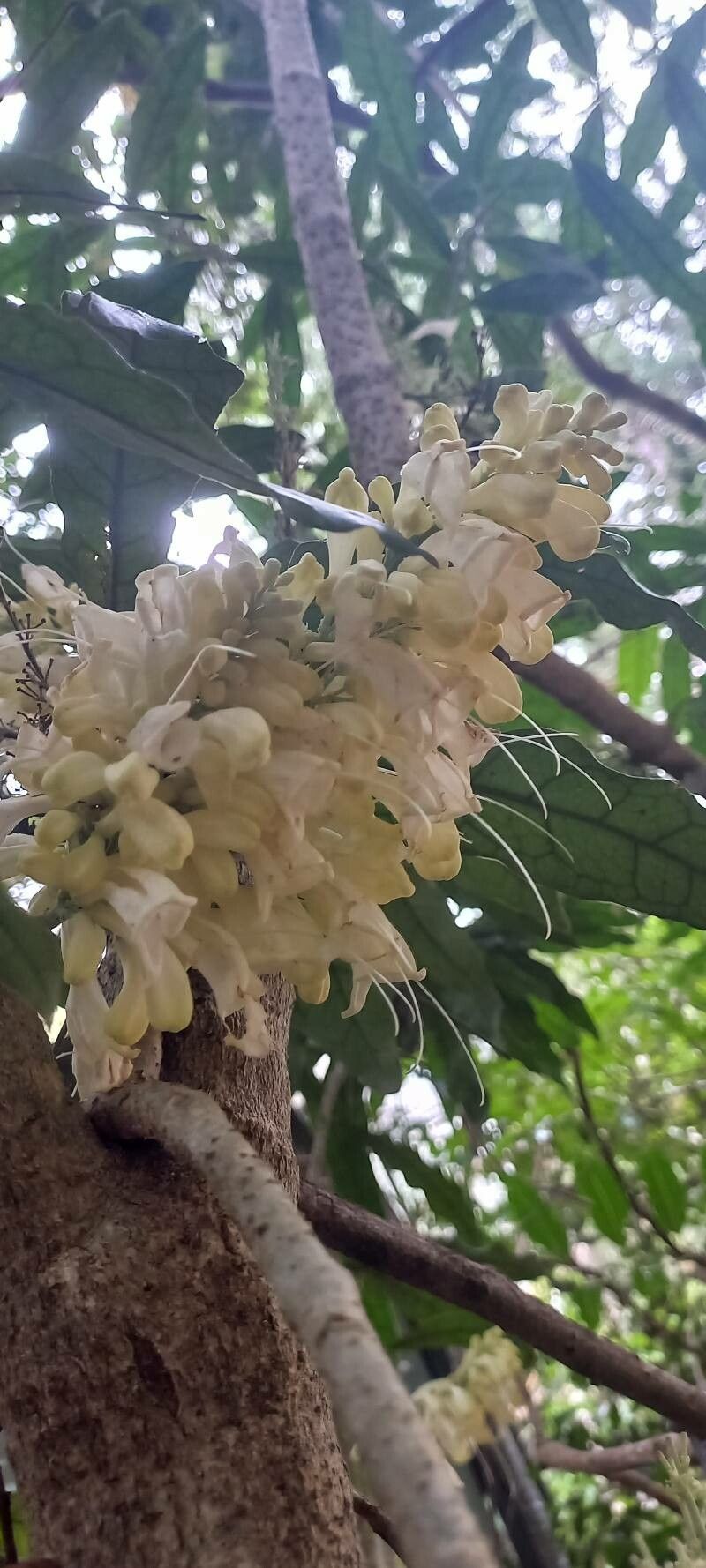
Hello, fellow plant lovers! Today, we’re diving into the magical world of propagating Oxera sulfurea. If you’re drawn to its delicate, star-shaped blooms in that dreamy, sulfur-yellow hue, you’re in for a treat. Bringing more of these beauties into your garden, or even sharing them with friends, is incredibly satisfying. Now, is it easy? For Oxera, I’d say it’s moderately challenging. It requires a bit of patience and understanding its needs, but it’s certainly not out of reach for the adventurous beginner.
The Best Time to Start
The absolute sweet spot for propagating Oxera sulfurea is late spring to early summer. Think of it as when the plant is really hitting its stride, actively growing and full of energy. You’ll want to take cuttings from fresh, non-flowering shoots. These young stems are full of what we call “vigor,” which is exactly what we need for successful rooting.
Supplies You’ll Need
Gathering your tools beforehand makes the whole process much smoother. Here’s what I usually have on hand:
- Sharp, clean pruning shears or a craft knife: Crucial for clean cuts that heal well.
- Rooting hormone: A little boost never hurts, especially for Oxera. Look for one with a fungicide included to prevent rot.
- Well-draining potting mix: I like a blend of equal parts peat moss, perlite, and coarse sand. You can also find specialized propagation mixes.
- Small pots or seed trays: Clean ones, of course!
- Plastic bags or a clear propagation dome: To maintain humidity.
- Water: For misting and watering.
- Optional: Heat mat: This can really speed things up.
Propagation Methods
For Oxera sulfurea, stem cuttings are your most reliable bet. Let’s get to it!
- Take your cuttings: Using your clean shears, find a healthy, new stem that isn’t flowering. Cut a piece that’s about 4-6 inches long. Make sure it has at least two sets of leaves.
- Prepare the cuttings: Gently strip off the lower leaves, leaving just the top set or two. This prevents them from rotting once planted. If the leaves are very large, you can even cut them in half to reduce water loss.
- Dip in rooting hormone: Dip the cut end of the stem into your rooting hormone powder. Tap off any excess.
- Plant the cuttings: Make a small hole in your potting mix with a pencil or your finger. Insert the cutting, ensuring the nodes where the leaves were removed are buried in the soil. Gently firm the soil around the stem. You can fit several cuttings into one pot, leaving a little space between them.
- Create a humid environment: Water the cuttings gently. Then, cover the pot with a clear plastic bag or place it under a propagation dome. You want to create a mini-greenhouse effect to keep humidity high.
The “Secret Sauce” (Pro Tips)
Here are a couple of little tricks I’ve picked up over the years that really make a difference with Oxera:
- Avoid overcrowding: This might sound basic, but I can’t stress it enough. Give your cuttings enough space. Overcrowding in the pot leads to poor air circulation and can invite fungal diseases, which is Oxera’s biggest enemy when propagating.
- Bottom heat is your friend: If you’re having a bit of trouble with rooting speed or success, a gentle heat mat under your pots can be a game-changer. Oxera loves a bit of warmth at its roots, giving that rooting hormone something extra to work with. Aim for around 70-75°F (21-24°C).
Aftercare & Troubleshooting
Once your cuttings are planted, place them in a bright spot but out of direct sunlight. Mist the leaves occasionally to keep them hydrated, but don’t let the soil become soggy. You’re looking for roots to form, which can take anywhere from 4 to 8 weeks, sometimes longer. You can check for roots by very gently tugging on a cutting – if you feel resistance, it’s a good sign!
The most common problem you’ll encounter is rot. If you see your cuttings turning mushy or black at the soil line, it’s usually a sign of too much moisture and not enough air circulation. Sadly, cuttings affected by rot rarely recover, so it’s often best to discard them and start fresh, paying closer attention to watering and humidity levels.
A Encouraging Closing
Be patient with your Oxera sulfurea cuttings. Gardening is always a journey, and sometimes nature needs a little nudge and a lot of time. Don’t get discouraged if your first attempt isn’t a roaring success. Each cutting you try is a learning experience, and before you know it, you’ll have a small forest of these lovely yellow blooms to admire and share. Happy propagating!
Resource:
https://identify.plantnet.org/k-world-flora/species/Oxera%20sulfurea%20Dubard/data