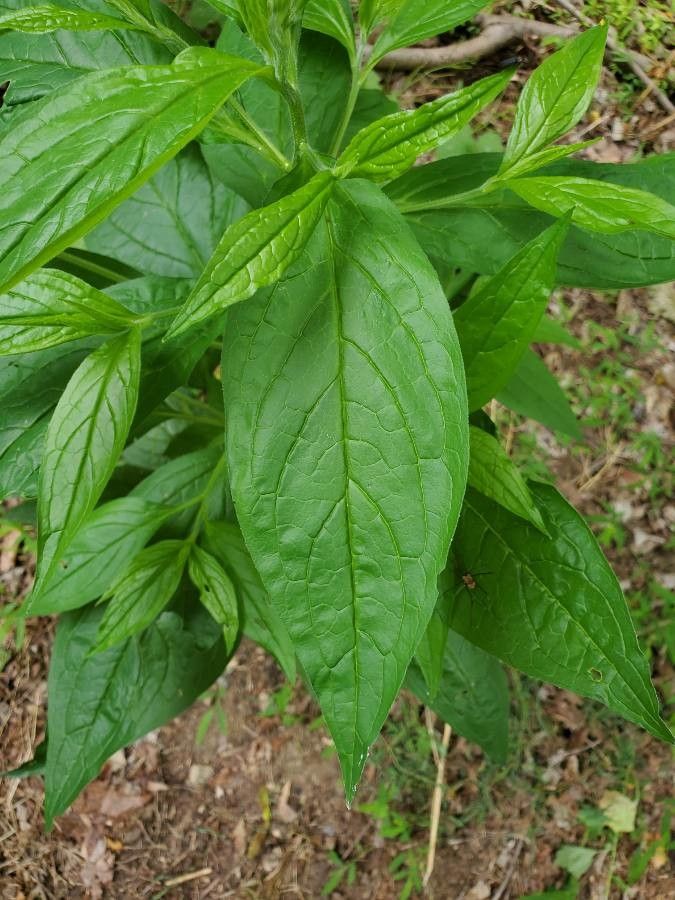
Oh, hello there! Come on in, grab a mug. I’m so glad you’re interested in Mertensia franciscana. It’s truly one of those understated gems in the garden, isn’t it? With its lovely blue bell-shaped flowers, it’s like a little piece of the sky descended into your beds. And the best part? Sharing that beauty is incredibly rewarding. If you’re new to propagating, this little one is a wonderful plant to start with. Honestly, it’s quite forgiving!
The Best Time to Start
For the highest chance of success with Mertensia franciscana, I always recommend early spring. This is when the plant is just waking up from its winter nap and has that fresh, vigorous growth. You’re looking for stems that are still somewhat flexible and haven’t turned woody. Alternatively, after flowering, as the plant starts to mature its growth, can also be a good time. Just be sure the stems are firm but not tough.
Supplies You’ll Need
Here’s what I usually gather before I get started:
- Sharp pruning shears or a clean knife: For taking cuttings.
- Well-draining potting mix: A blend of peat moss, perlite, and a bit of compost works beautifully.
- Small pots or propagation trays: With drainage holes, of course!
- Rooting hormone (optional but helpful): A powder or gel to encourage root development.
- Plastic bags or a propagator lid: To create a humid environment.
- Watering can with a fine rose attachment: To water gently without disturbing your cuttings.
- Labels: So you don’t forget what you’ve planted where!
Propagation Methods
We’ll focus on the easiest and most reliable method for Mertensia franciscana: stem cuttings.
- Select Your Stems: Look for healthy, new shoots that are about 4-6 inches long. They should be flexible and have at least two sets of leaves.
- Take the Cutting: Using your sharp pruning shears or knife, make a clean cut just below a leaf node (where a leaf attaches to the stem). This is where roots are most likely to form. Try to take several cuttings; not every one is guaranteed to take, and that’s perfectly okay!
- Prepare the Cutting: Gently remove the lower leaves, leaving just the top two or three leaves on the cutting. If the remaining leaves are very large, you can carefully cut them in half horizontally. This reduces water loss from the leaves while still allowing for photosynthesis.
- Apply Rooting Hormone (Optional): Dip the cut end of the stem into your rooting hormone, tapping off any excess. This step isn’t always necessary for Mertensia, but it can give your cuttings a helpful boost.
- Plant Your Cuttings: Fill your pots or trays with your well-draining potting mix. Make a small hole with a pencil or your finger, insert the cutting so that the bottom leaf nodes are just below the soil surface, and gently firm the soil around it.
- Create a Humid Environment: Water the soil lightly. Then, cover the pots or trays with a plastic bag or a propagator lid. This is crucial for keeping the humidity high around your cuttings, preventing them from drying out before they can root.
The “Secret Sauce” (Pro Tips)
Here are a couple of tricks I’ve learned over the years that really make a difference:
- Keep the Leaves Dry: When you water, try your best to avoid getting the leaves of the cuttings wet. Excess moisture on the foliage can encourage fungal diseases, and we certainly don’t want that!
- Consider Bottom Heat: If you have a heat mat designed for propagation, using it can really speed up root formation. Mertensia appreciates a bit of warmth to get those roots going, so placing your pots on a gentle heat source can be a game-changer, especially if your propagation area is on the cooler side.
Aftercare & Troubleshooting
Once your cuttings are potted, place them in a bright spot but out of direct, scorching sunlight. Keep the soil consistently moist but not waterlogged – you want it to feel like a wrung-out sponge.
Be Patient! It can take anywhere from 3 to 8 weeks for roots to develop. You’ll know they’re ready when you gently tug on a cutting and feel resistance, or when you start to see new leaf growth emerging.
The biggest challenge you might face is rot. If you see your cuttings becoming soft, mushy, or developing dark spots, it’s usually a sign of too much moisture and not enough air circulation. Make sure your potting mix is truly well-draining, and consider lifting the plastic cover for a few hours a day to allow for some air exchange. If rot sets in, sadly, it’s often best to discard the affected cuttings and try again, being extra careful with watering and air flow.
A Encouraging Closing
Don’t get discouraged if every single cutting doesn’t miraculously sprout roots. Gardening is a journey, and propagation is a wonderful way to learn and connect with your plants. Take your time, enjoy the process of nurturing these little beginnings, and soon you’ll have a whole garden of charming blue bells to share. Happy propagating!
Resource:
https://identify.plantnet.org/k-world-flora/species/Mertensia%20franciscana%20A.Heller/data