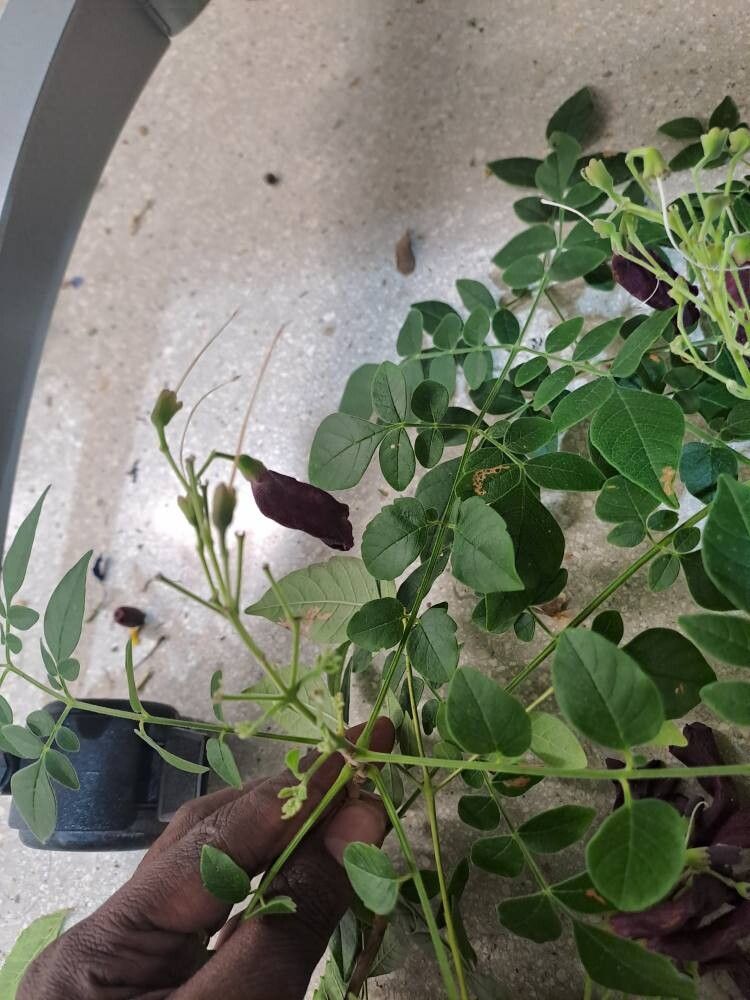
Oh, Jacaranda! That dreamy, cascade of lavender-blue blossoms. It’s truly one of nature’s most spectacular shows, isn’t it? Bringing that magic into your own garden, or even just getting a little piece of it to grow elsewhere, is such a joy. Propagating these beauties isn’t usually a super difficult task, but it does require a bit of patience and knowing a few tricks. Think of it like coaxing a shy friend to bloom – gentle encouragement goes a long way!
The Best Time to Start
For Jacaranda jasminoides, I’ve found the sweet spot is right after it finishes its main blooming flush, usually in late spring or early summer. This is when the plant has plenty of energy to put into new growth. You’re looking for stems that are semi-hardwood – that means they’re not brand new and floppy, but also not old and woody. They have a bit of flexibility to them.
Supplies You’ll Need
Here’s what you’ll want to gather before you get started:
- Sharp pruning shears or a clean knife: Sterilize them with rubbing alcohol beforehand.
- Rooting hormone: Available as a powder or gel. This is a real confidence booster for cuttings.
- Potting mix: A well-draining mix is crucial. I like a blend of equal parts peat moss or coco coir and perlite or coarse sand.
- Small pots or containers: With drainage holes, of course!
- Clear plastic bag or propagator: To create a humid environment.
- Water: For misting.
- Optional: Heating mat: To provide gentle bottom warmth.
Propagation Methods
Let’s get our hands dirty! Stem cuttings are my go-to for Jacaranda.
Stem Cuttings
- Take your cuttings: Select those semi-hardwood stems I mentioned. Aim for cuttings that are about 6-8 inches long. Make a clean cut just below a leaf node (where a leaf emerges).
- Prepare the cuttings: Gently remove the lower leaves, leaving just a few at the top. This prevents them from rotting in the soil.
- Apply rooting hormone: Dip the cut end of each cutting into the rooting hormone, tapping off any excess.
- Plant the cuttings: Make a hole in your prepared potting mix with a pencil or your finger, then insert the cutting. Gently firm the soil around it. You can plant several cuttings in one pot, ensuring they aren’t touching each other.
- Create humidity: Water the soil gently, then cover the pot with a clear plastic bag (propped up with stakes so it doesn’t touch the leaves) or place it in a propagator. This mini-greenhouse effect keeps things nice and humid.
- Placement: Place the pot in a bright, indirect light spot. Avoid direct sun, which can scorch the delicate cuttings.
Water Propagation (Less common for Jacaranda, but possible for small leafy cuttings)
If you have a smaller, leafy shoot, you can try water propagation.
- Prepare the cutting: As above, remove lower leaves.
- Place in water: Put the cutting in a clean jar or glass of water, ensuring no leaves are submerged. The leaf nodes are where roots will eventually emerge.
- Change water regularly: Replace the water every few days to keep it fresh and prevent bacterial growth.
- Wait for roots: Roots should start to appear within a few weeks. Once they are about an inch long, you can carefully transplant them into soil.
The “Secret Sauce” (Pro Tips)
Here are a few things I’ve learned over the years that can really make a difference:
- Bottom Heat is Your Friend: Jacarandas love a bit of warmth from below. Placing your pots on a heating mat set to a low temperature (around 70-75°F or 21-24°C) can significantly speed up root development. It mimics the warmth of the soil surface in their native environment.
- Don’t Overwater, but Don’t Let Them Dry Out: This is a tricky balance! You want the soil to be consistently moist, but not soggy. Stick your finger about an inch into the soil; if it feels dry, give it a gentle watering. The plastic bag will help keep moisture in, so check less frequently once it’s covered.
- Be Patient with the Hormone: Rooting hormone isn’t magic, but it does help. Make sure you dip your cuttings properly, getting good contact with the cut end. It’s your best bet for encouraging those initial root hairs to form.
Aftercare & Troubleshooting
Once you see new leafy growth emerging from your cuttings, that’s a super promising sign that roots have formed! Gradually remove the plastic bag over a week or so to acclimate your new plant to normal humidity. Continue to keep it in bright, indirect light and water when the top inch of soil feels dry.
The most common issue you might run into is rot. If a cutting turns black and mushy, it’s likely rotted. This is usually due to overwatering or poor drainage. If you see signs of rot, unfortunately, that cutting is probably lost. It’s why that well-draining mix is so important!
Another sign that things aren’t going well is if the cutting shrivels and dries up completely. This could mean it’s not getting enough humidity, the temperature is too high, or it just didn’t take. Don’t be discouraged if not every cutting succeeds – it’s all part of the learning process.
A Encouraging Closing
So there you have it! Propagating Jacaranda jasminoides is a wonderfully rewarding experience. It might take a bit of practice, and some cuttings might not make it, but the joy of nurturing a new plant from a small piece of its parent is truly special. Be patient, keep an eye on your little green babies, and enjoy the journey. Happy propagating!
Resource: