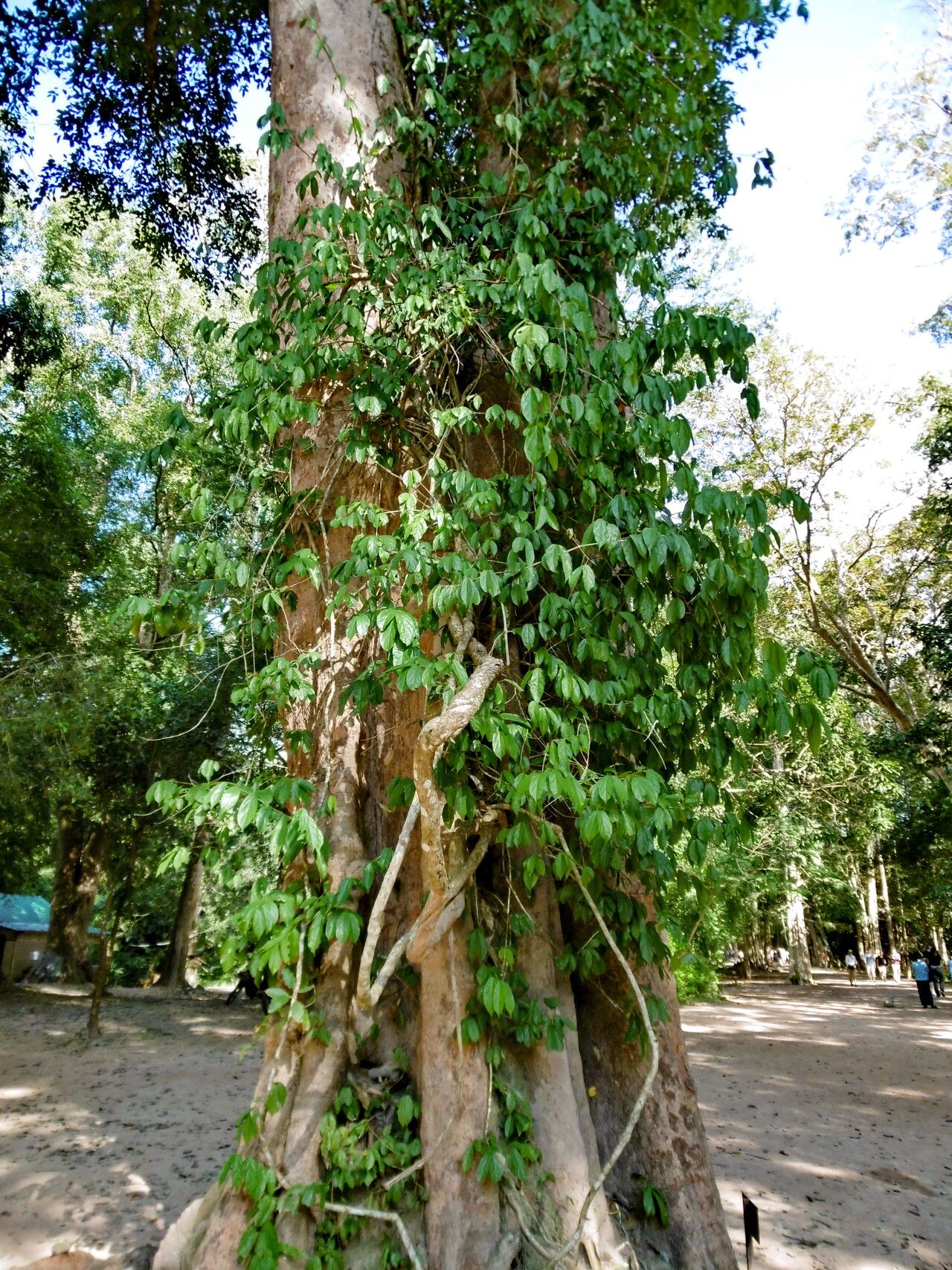
Oh, hello there, fellow garden enthusiast! I’m so glad you’re here. If you’ve ever admired the beautiful, lush foliage and perhaps (if you’re lucky!) the tantalizing fruit of Irvingia malayana, or the wild mango, then you’re in for a treat. There’s something incredibly satisfying about coaxing a new life from a parent plant, and the wild mango is no exception. It’s a rewarding venture, though I’ll be upfront – it’s not the absolute easiest plant to get going from scratch for a complete beginner. But don’t let that deter you! With a little care and the right approach, you’ll be well on your way.
The Best Time to Start
My personal favorite time to begin propagating Irvingia malayana is during the active growing season. For most of us, this means late spring through summer. You’ll want to select stems that are not too soft and new, but also not old and woody. Think of it as just before they get too tough. This active growth phase means the plant has plenty of energy to put into forming new roots.
Supplies You’ll Need
Here’s a quick rundown of what you’ll want to have on hand:
- Sharp, clean pruning shears or a knife: Cleanliness is paramount to avoid introducing diseases.
- A well-draining potting mix: I like a blend of peat moss, perlite, and a bit of coarse sand. Think airy so it doesn’t get waterlogged.
- Rooting hormone powder (optional, but recommended): This can give your cuttings a significant boost.
- Small pots or trays: With drainage holes, of course!
- Plastic bags or a propagation dome: To create a humid environment.
- Watering can with a fine rose: For gentle watering.
- Labels: You’ll thank me later for remembering which method you used and when you started!
Propagation Methods
While Irvingia malayana can be propagated by seed, the most reliable and common way to get a true-to-type plant from an existing one is through stem cuttings.
- Take Your Cuttings: Select healthy stems that are about pencil-thick. Cut a section that is 6-8 inches long, making sure each cutting has at least two sets of leaves. Cut just below a leaf node, which is where roots are most likely to form.
- Prepare the Cuttings: Gently remove the lower leaves from the cutting, leaving only the top two or three sets exposed. You can even carefully strip a small section of the bark from the bottom inch of the stem – this can encourage root development.
- Apply Rooting Hormone (if using): Dip the cut end of the stem into the rooting hormone powder, tapping off any excess.
- Plant the Cuttings: Fill your pots with your prepared potting mix. Make a small hole in the center with a pencil or your finger. Insert the cutting into the hole, making sure it’s firm enough to stand on its own. Gently firm the soil around the base.
- Create a Humid Environment: Water the soil gently and thoroughly. Then, cover the pot with a plastic bag or place it under a propagation dome. This traps moisture and humidity, which is crucial for cuttings to root. Ensure the leaves aren’t touching the sides of the bag if possible – this can lead to rot.
The “Secret Sauce” (Pro Tips)
Now, for a couple of tricks I’ve learned over the years:
- Bottom Heat is Your Friend: If you have a heat mat designed for seedlings, pop your pots on top of it. This gentle warmth encourages root formation from below, much like a gentle sunbeam warming the soil. It makes a surprising difference!
- Don’t Overwater! This is probably the biggest pitfall. While humidity is key, soggy soil is a fast ticket to rot. Let the top inch of soil dry out slightly between waterings. It’s better to be a bit dry than drowning.
Aftercare & Troubleshooting
Once you’ve got your cuttings potted up and nestled into their humid haven, it’s time for patience. Keep them in a bright spot, but avoid direct, scorching sunlight, especially under the plastic.
Check them regularly. You’ll know your cuttings are rooting when you see new leaf growth appearing! This can take anywhere from a few weeks to a couple of months. Once they seem to be actively growing, you can gradually remove the plastic bag over a few days to help them acclimate.
The most common sign of trouble is rot. If you see your cutting turning black and mushy, it’s likely succumbing to too much moisture. Unfortunately, it’s usually best to discard those and try again. Another sign is wilting that doesn’t perk up after watering – this can also indicate root rot or that the cutting simply didn’t take.
A Encouraging Closing
Growing plants, especially from cuttings, is a journey. It’s about observing, learning, and sometimes, trying again. Don’t get discouraged if your first attempt isn’t a runaway success. Each try teaches you something new about your plant and your own gardening style. So, grab your shears, get your hands in the soil, and enjoy the wonderful process of coaxing new life from your beloved Irvingia malayana. Happy propagating!
Resource: