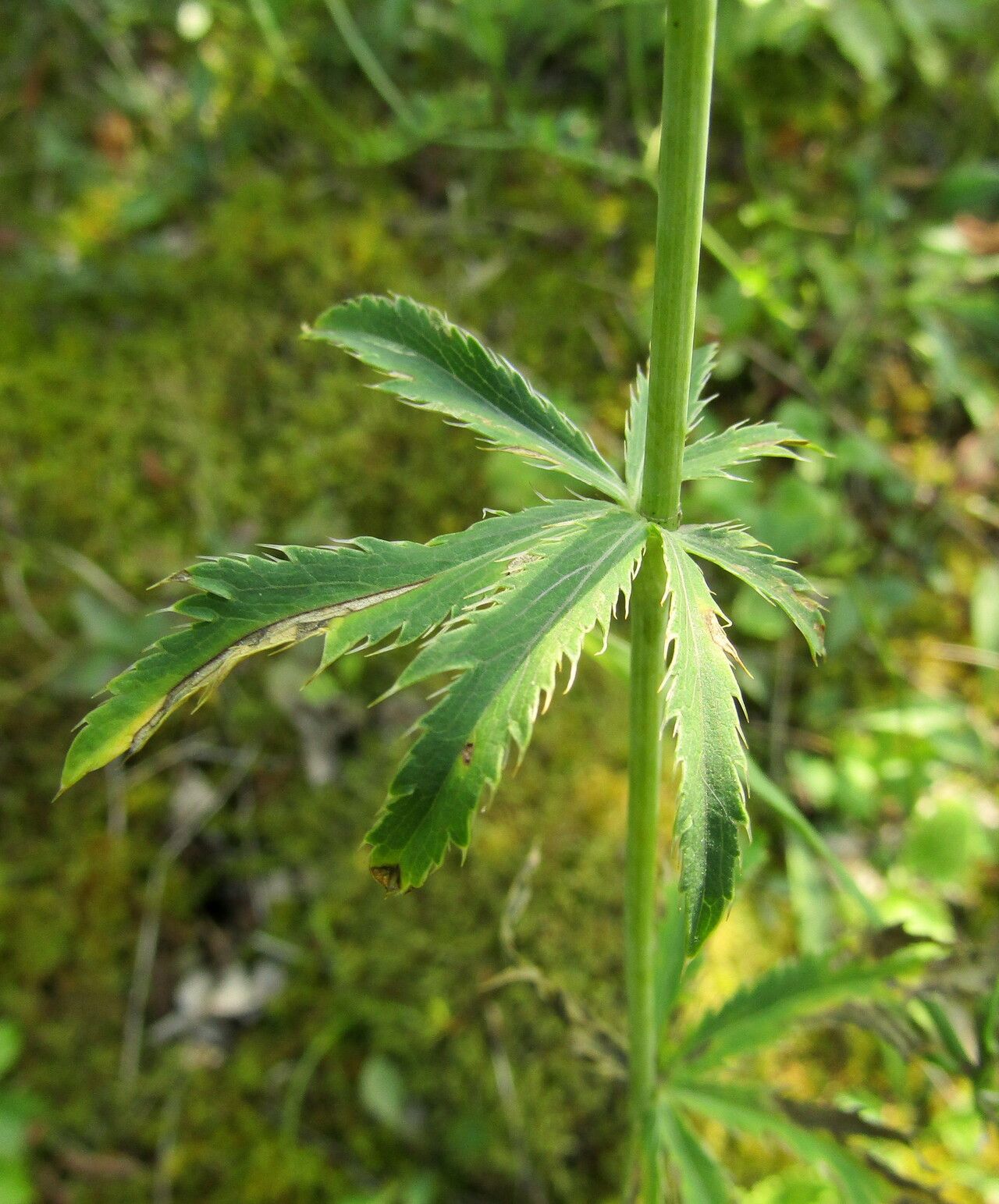
Oh, hello there, fellow garden enthusiast! I’m so glad you’re interested in Eryngium palmatum, or as I affectionately call them, the “sea holly” of the Mediterranean. These spiky beauties, with their intricate, palm-like leaves and steely blue flower heads, bring such a unique architectural interest to any garden. They’re tough, drought-tolerant once established, and attract all sorts of beneficial pollinators. Propagating them is a wonderfully rewarding process, allowing you to fill your garden or share these treasures with friends. While they can be a tad particular, I wouldn’t say they’re wildly challenging. With a little guidance, you’ll be a sea holly pro in no time!
The Best Time to Start
For Eryngium palmatum, late spring to early summer is your golden window. This is when the plant is actively growing and has plenty of energy to put into producing new roots. You’re looking for stems that are firm but not woody – think of a well-seasoned pencil, not a twig.
Supplies You’ll Need
Here’s a little kit to get you started:
- Sharp Pruning Shears or a Clean Knife: For making clean cuts.
- Potting Mix: A well-draining mix is crucial. I like to use a blend of equal parts perlite and peat moss or coconut coir.
- Small Pots or Seed Trays: Clean ones, please!
- Rooting Hormone (Optional but Recommended): Especially helpful for encouraging faster root development.
- Plastic Bags or a Clear Cover: To create a humid environment.
- Watering Can with a Fine Rose: For gentle watering.
- Labels and a Marker: To keep track of your precious cuttings.
Propagation Methods
Eryngium palmatum is most reliably propagated by stem cuttings or division. Let’s dive into how to do both!
Stem Cuttings
This is my go-to method for increasing my sea holly collection.
- Take Your Cuttings: In late spring or early summer, select healthy, non-flowering stems. Using your sharp shears, cut a stem that’s about 4-6 inches long. Make the cut just below a leaf node, which is the point where the leaf attaches to the stem. This is where the magic happens for root formation!
- Prepare the Cuttings: Gently remove the lower leaves from the cutting, leaving just a few at the very top. If your cutting has any flower buds developing, pinch them off. We want the plant’s energy to go into roots, not flowers right now.
- Apply Rooting Hormone (Optional): Dip the cut end of the stem into rooting hormone, tapping off any excess.
- Plant the Cuttings: Make a little hole in your prepared potting mix and insert the cutting, ensuring the lower leaf nodes are buried in the soil. Gently firm the soil around the stem.
- Create Humidity: Water the potting mix very gently. Then, cover the pot or tray with a plastic bag or a clear dome. This creates a mini-greenhouse effect, keeping the humidity high, which is vital for cuttings to root without drying out.
- Provide Light and Warmth: Place the pots in a bright location out of direct, scorching sun. A warm spot is great, but avoid overheating.
Division
If you have an established Eryngium palmatum, you can likely divide it.
- Dig Up the Plant: In early spring, before new growth really takes off, carefully dig up the entire plant. Try to disturb the roots as little as possible.
- Separate the Divisions: Gently shake off excess soil. You’ll see where the plant naturally wants to split into smaller sections. Using your hands or a clean spade, carefully pull or cut the root ball into sections. Each division should have a good amount of roots and some healthy shoots.
- Replant Immediately: Plant each division in its new location or in pots with fresh, well-draining soil. Water them in well.
The “Secret Sauce” (Pro Tips)
Here are a few little tricks I’ve learned over the years that make a big difference:
- Bottom Heat is Your Friend: For stem cuttings, placing the pots on a heated propagator mat can significantly speed up rooting. It mimics the warmth of spring soil and encourages those roots to form much faster.
- Don’t Overwater! This is probably the biggest culprit of failure. The soil should be consistently moist, not waterlogged. Soggy soil leads to rot, and we want to avoid that like the plague. Let the surface of the soil dry out slightly between waterings.
- Air Circulation is Key (Once Roots Appear): While you want high humidity for rooting, once you start seeing tiny roots poking out the bottom of the pot or new growth appearing, it’s time to gradually introduce more air circulation. This helps prevent fungal diseases and strengthens the new plant. Start by opening the plastic cover for a few hours each day.
Aftercare & Troubleshooting
Once your cuttings have roots (you can gently tug on them – if there’s resistance, they’ve rooted!), or your divisions are replanted, it’s time for continued care.
- Acclimatize: Slowly remove the plastic cover over a week or so, allowing the new plants to adjust to your garden’s humidity levels.
- Watering: Water regularly, but allow the soil to dry out slightly between waterings. Eryngiums prefer it on the drier side.
- Planting Out: Once they are well-rooted and have developed a decent amount of foliage, you can transplant them into their permanent garden spots. Make sure the soil is well-draining!
Troubleshooting: The most common issue you’ll encounter is rot. If your cuttings look mushy or black at the base, or if the leaves start to yellow and wilt without any apparent cause, it’s likely due to overwatering. If you catch it early, you might be able to save some by cutting away the rotten parts and repotting them in fresh, dry soil, but often, it’s a loss. Patience is key with propagation, and sometimes things just don’t work out – that’s part of the learning process!
A Encouraging Closing
Propagating Eryngium palmatum is a wonderful way to connect with your plants and expand your garden. Don’t be discouraged if your first attempts aren’t perfect. Each time you try, you learn a little more. Enjoy the process of nurturing these new lives, and soon you’ll have a whole patch of these stunning sea hollies to admire. Happy gardening!
Resource:
https://identify.plantnet.org/k-world-flora/species/Eryngium%20palmatum%20Pančić%20&%20Vis./data