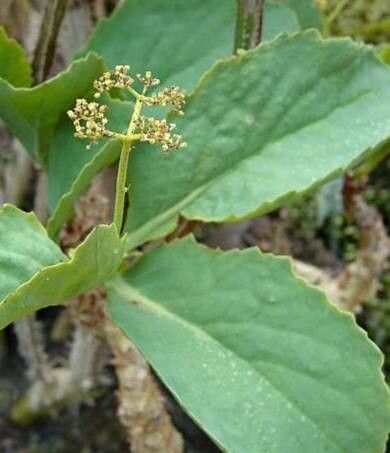
Growing More of That Amazing Cyphostemma currorii!
Oh, Cyphostemma currorii! If you’ve ever seen one of these beauties, you’ll understand the allure. With its fascinating swollen base (a caudex, we call it!) and its elegant, trailing stems adorned with lovely foliage, it’s a real conversation starter. I’ve been growing them for years, and I can tell you, there’s a special kind of satisfaction in coaxing a new plant into existence from just a piece of an established one. Now, for the important bit: is it easy for a beginner gardener? I’d say it’s moderately easy. It’s not as foolproof as, say, a pothos, but with a little attention to detail, you’ll be celebrating success in no time. Let’s get propagating!
When Nature Gives You the Green Light
The sweet spot for propagating Cyphostemma currorii is undeniably during its active growing season. Think late spring through summer. This is when the plant is full of vigor, producing new stems and leaves, and has the energy to dedicate to root development. Trying to propagate when it’s resting, like in the dead of winter, is just setting yourself up for disappointment.
Your Propagation Toolkit
Gathering the right supplies makes the whole process smoother. Here’s what you’ll want on hand:
- Sharp, sterile pruning shears or a clean knife: Essential for making clean cuts.
- Cactus and succulent potting mix: This is key! It needs to drain really well. I like to mix in extra perlite or pumice.
- A rooting hormone powder (optional but helpful): This can give your cuttings a little boost. Look for one containing IBA.
- Small pots or trays with drainage holes: Terracotta pots are my go-to for succulents because they breathe.
- Perlite or coarse sand: For improving drainage in the potting mix.
- A spray bottle: For gently misting.
- A clear plastic bag or humidity dome: To create a mini-greenhouse effect.
Bringing Forth New Life: Propagation Methods
For Cyphostemma currorii, stem cuttings are your best bet. They’re reliable and give you the most bang for your buck.
- Taking the Cuttings: On a healthy, actively growing plant, select a stem that’s at least 4-6 inches long. Look for a section that has some firm growth, not soft and floppy. Using your sharp, sterile shears, make a clean cut just below a leaf node. A leaf node is where a leaf attaches to the stem.
- Preparing the Cutting: Gently remove the lower leaves from the cutting, leaving just a few at the top. This prevents them from rotting in the soil. Let the cutting ‘callus over’ for a day or two in a dry, shaded spot. This is a crucial step! You’ll see the cut end dry and form a protective scab. This prevents rot when you pot it up.
- Dipping (Optional but Recommended): If you’re using rooting hormone, lightly dip the callused end of the cutting into the powder. Tap off any excess.
- Potting Up: Fill your small pots with your well-draining cactus and succulent mix. Make a small hole in the center with your finger or a pencil.
- Inserting the Cutting: Gently insert the callused end of the cutting into the hole, deep enough so it stands upright. You can use a chopstick to help support it if needed. Firm the soil gently around the base.
- Creating the Environment: Water the soil lightly just to settle it in. Then, cover the pot with a clear plastic bag or place it under a humidity dome. This keeps the moisture in, which is vital for root formation, especially for a cutting that can’t yet absorb water from its roots.
The “Secret Sauce” – My Little Nudges for Success
Over the years, I’ve learned a few tricks that seem to really make a difference.
- Don’t Overwater, Ever. This is the cardinal sin with succulents and especially with cuttings. Let the soil dry out slightly between waterings. A slightly thirsty cutting is much happier than a waterlogged one.
- Bottom Heat is Your Friend. If you can, place your pots on a gentle heat mat. This warm soil encourages root growth from below, giving your cuttings the best start. It’s like a little spa treatment for their roots!
- Patience is a Virtue (and a Necessity). Some of my Cyphostemma currorii cuttings have taken weeks to show the first signs of roots. Don’t get discouraged if you don’t see immediate growth. Keep that humidity up and resist the urge to dig them up!
Aftercare and What to Watch For
Once you start to see new growth – tiny leaves or a slight upward push from the stem – that’s a good sign roots are forming. You can gently tug on the cutting; if you feel a little resistance, it’s rooting!
- Gradually Acclimate: Once you see roots, slowly begin to acclimate it to drier air. Start by removing the plastic bag for a few hours each day, gradually increasing the time until you can remove it entirely.
- Watering: Once it’s fully acclimated and showing healthy growth, you can water more thoroughly, allowing the soil to dry out between waterings.
- Troubleshooting: The biggest enemy here is rot. If you see the stem turning mushy, black, or just generally looking sad and wilting without any signs of rot, it’s usually an issue with too much moisture or not enough light. If rot sets in, sadly, that cutting is likely lost. Always start with healthy cuttings, make proper callusing cuts, and use that excellent draining soil!
Happy Growing!
Propagating plants is a journey. It’s about observation, a little bit of instinct, and a whole lot of patience. I’m confident that with these tips, you’ll be enjoying your own homegrown Cyphostemma currorii in no time. Just remember to keep it simple, give them good drainage, and enjoy the process of watching them grow! I can’t wait to see what you create!
Resource:
https://identify.plantnet.org/k-world-flora/species/Cyphostemma%20currorii%20(Hook.f.)%20Desc./data