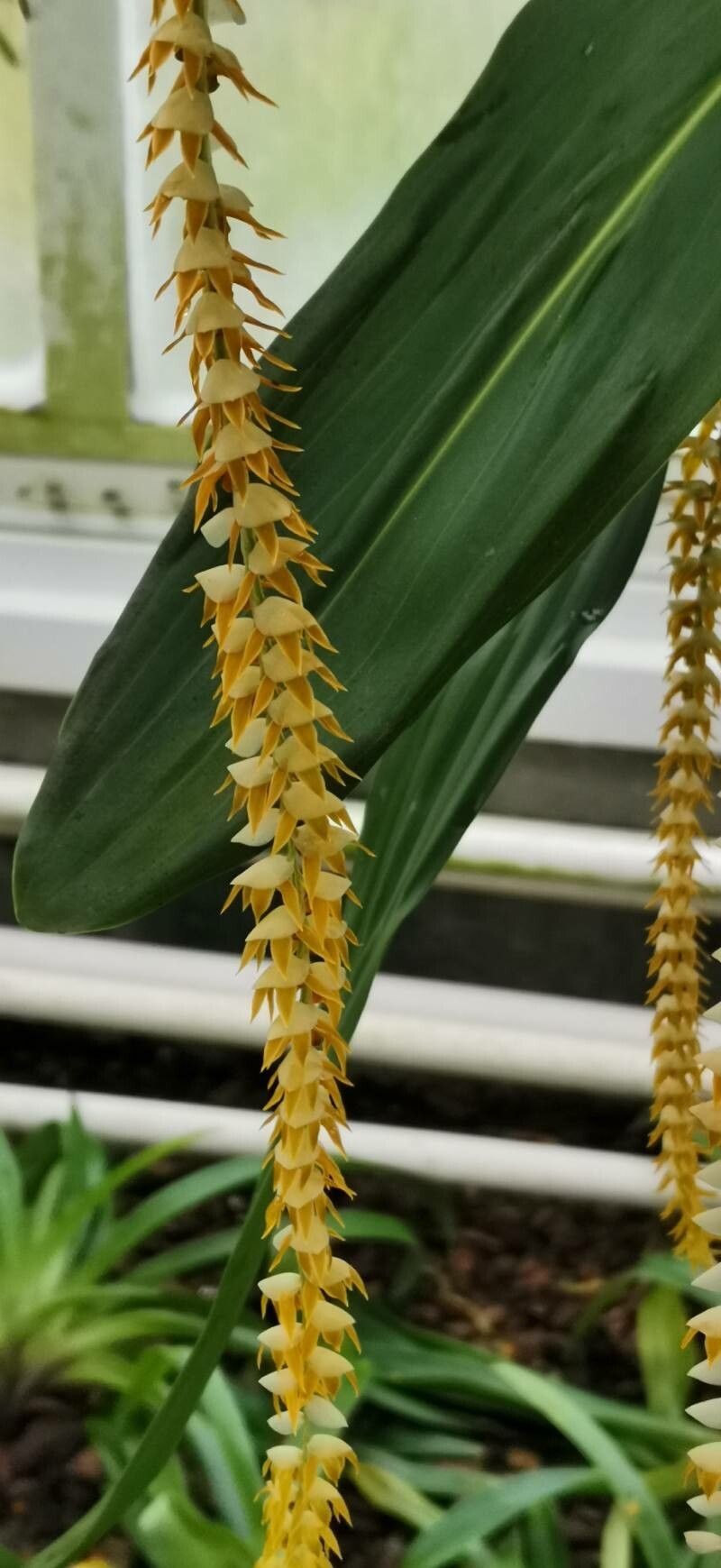
Hello, fellow plant lovers! Today, we’re diving into the delightful world of Coelogyne latifolia, a beautiful orchid that’s truly a joy to have gracing any home or garden. Its elegant blooms and lush foliage bring a touch of the tropics indoors, and there’s something incredibly satisfying about growing your own collection from just one plant.
If you’re new to orchids, you might be wondering if Coelogyne latifolia is a friendly plant to start with. I’d say it’s moderately easy to propagate. It’s not quite as hands-off as some succulents, but with a little attention and the right approach, you’ll be rewarded with new, healthy plants in no time.
The Best Time to Start
For orchids like Coelogyne latifolia, the absolute sweet spot for propagation is right after they finish their blooming cycle and are entering a period of active growth. This usually happens in the late spring or early summer. You’ll see those lovely new pseudobulbs starting to swell and hopefully, some new roots emerging from their base or from a healthy rhizome. This vigor gives your new plant the best chance to establish itself.
Supplies You’ll Need
Gathering your tools beforehand makes the whole process much smoother. Here’s what I always have on hand:
- Sharp, sterilized pruning shears or a clean knife: For making clean cuts. Sterilize with rubbing alcohol.
- A good orchid potting mix: Something that drains exceptionally well is key. I like a mix of bark, perlite, and a bit of charcoal.
- New pots: Terracotta or plastic pots with plenty of drainage holes work well.
- Sphagnum moss: Great for retaining a bit of moisture around the rooting propagations.
- Optional: Rooting hormone: Some gardeners swear by it, and it can give an extra boost. I occasionally use it if a division looks a bit reluctant.
- Labels and a marker: To keep track of what you’ve propagated and when!
Propagation Methods
The most successful way to propagate Coelogyne latifolia is through division. These orchids tend to grow in clumps, and as they mature, they form multiple pseudobulbs connected by a horizontal stem called a rhizome. Here’s how I tackle it:
- Gently remove the orchid from its pot. If it’s been in the same pot for a while, this might take a little coaxing. You can tap the sides of the pot or carefully run a knife around the edge.
- Carefully clean off the old potting mix. Wash away as much of the old media as you can, gently teasing the roots apart. You want to see where the rhizomes connect the pseudobulbs.
- Identify a healthy section. Look for a division that has at least two to three healthy pseudobulbs and a visible piece of rhizome. It’s better to have fewer well-established pseudobulbs than many weak ones.
- Make the cut. Using your sterilized shears or knife, carefully cut through the rhizome to separate the desired section. Make sure your cut is clean and precise.
- Inspect and trim. Examine the cut surfaces. If there’s any damaged or mushy material, trim it away. I sometimes find it helpful to let the cut surface air dry for a few hours to callous over, especially if it looks a bit wet.
- Pot up your divisions. Place each division into its own pot filled with your fresh orchid mix. Position the plant so the new growth points will face outwards from the pot, giving them room to develop. Ensure the pseudobulbs are sitting at the surface of the mix.
- Water lightly. Water your newly potted divisions gently. You don’t want to drench them, just moisten the potting mix.
The “Secret Sauce” (Pro Tips)
Over the years, I’ve learned a few little tricks that I think really make a difference:
- Don’t be afraid to unpot. I know it can feel daunting, but sometimes the best way to assess your orchid and find those healthy divisions is to get it out of its pot and clean it up really well. You can always repot the main plant too!
- Think about the future growth. When you pot your divisions, orient them so that the pseudobulbs aren’t all cramped together. This allows those new growths that will emerge at the base of the pseudobulbs to develop freely.
- A little warmth can help. If you’re propagating in a cooler part of your home, consider using a seedling heat mat, especially during the initial rooting phase. This gentle bottom heat mimics the warmth of a tropical environment and can encourage root development. Just be sure the pot isn’t sitting in standing water on the mat.
Aftercare & Troubleshooting
Once your Coelogyne latifolia divisions are potted, the real waiting game begins! Keep the potting mix lightly moist, but never waterlogged. It’s better to err on the side of slightly dry than too wet. Avoid direct, harsh sunlight; bright, indirect light is perfect.
You’ll know your plant is happy when you start seeing new roots emerging from the base of the pseudobulbs. This can take several weeks, so patience is your best friend here.
The most common issue you might encounter is rot. This usually happens if the potting mix stays too wet, or if the cut surfaces weren’t allowed to dry properly. Look for pseudobulbs that become soft, black, and mushy. If you see this, you might need to unpot the affected division, trim away the rot, and try repotting with fresh, dry media in a clean pot, ensuring better air circulation.
Happy Propagating!
Seeing a new plant emerge from one you already love is such a rewarding experience. Don’t get discouraged if your first attempt isn’t perfect. Gardening is all about learning, experimenting, and enjoying the journey. So, grab your pruning shears, get your hands dirty, and I hope you have wonderful success growing more of these beautiful Coelogyne latifolia orchids!
Resource: