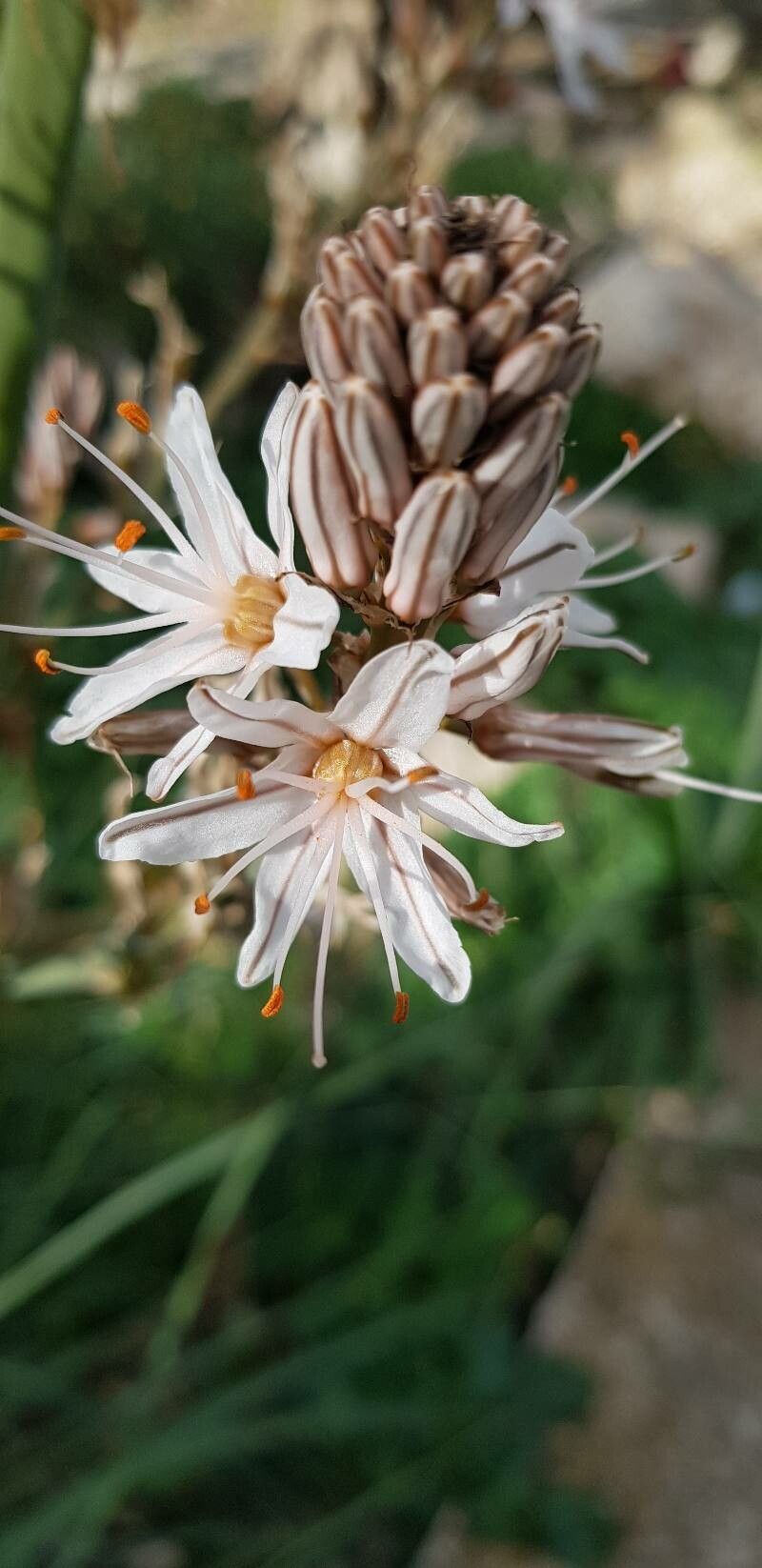
Hello, fellow garden enthusiasts! I’m so delighted to share a little bit of my gardening passion with you today. We’re going to dive into the wonderfully rewarding world of propagating Asphodelus aestivus, commonly known as the Common Asphodel or Summer Asphodel.
A Star in the Garden, and a Joy to Multiply
There’s something truly enchanting about Asphodelus. Its tall spires of starry white flowers, often tinged with pink or purple, bring a touch of wild elegance to any sunny spot. They look particularly stunning in drifts, creating a sea of delicate blooms that dance in the breeze. Propagating them yourself is incredibly satisfying. You get to share these beauties with friends, fill more of your own garden, or even create a whole new landscape feature. For beginners, Asphodelus can be a very forgiving plant to propagate, which is always a welcome bonus!
The Sweet Spot for Starting
Timing is everything in the garden, and for Asphodelus, the ideal time to propagate is typically in late winter or early spring, just as the plant is starting to wake up from its dormancy. You’re looking for signs of new growth – tiny buds or the very first shoots emerging from the ground. This is when the plant has plenty of stored energy to put into developing new roots.
Your Propagation Toolkit
Gathering your supplies before you begin makes the whole process much smoother. Here’s what you’ll want to have on hand:
- Sharp, clean pruning shears or a sharp knife: Essential for clean cuts.
- Well-draining potting mix: A good quality cactus and succulent mix works beautifully, or you can create your own by mixing equal parts potting soil, perlite, and coarse sand.
- Small pots or seed trays: Choose ones with drainage holes, of course!
- Rooting hormone (optional, but helpful): This can give your cuttings a little boost.
- Watering can with a fine rose: For gentle watering.
- Labels and a waterproof marker: To keep track of what you’ve planted!
Bringing Your Asphodelus Back to Life: Division is Key
The most straightforward and successful way to propagate Asphodelus aestivus is through division. These plants naturally form clumps, and dividing them is like giving each new section its own chance to thrive.
- Gently excavate: In late winter or early spring, carefully dig around the base of your established Asphodelus plant. You want to lift the entire root ball out of the ground as cleanly as possible. A garden fork can be helpful here.
- Inspect the root ball: Once it’s out, gently shake off some of the excess soil. You’re looking for natural divisions. You’ll likely see several growth points or crowns emerging from the main root system.
- Make the cut: Using your sharp pruning shears or knife, carefully separate these divisions. Aim for sections that have at least one healthy bud or shoot and a good amount of root attached. If a division seems very large, you can further divide it, but always ensure each piece has roots.
- Prepare the pots: Fill your chosen pots with your well-draining potting mix.
- Plant your divisions: Make a hole in the soil large enough to accommodate the roots of your division. Place the division in the hole, making sure the crown (where the shoots emerge) is about an inch below the soil surface.
- Water gently: Water your newly potted divisions thoroughly but gently. You want the soil to be moist but not waterlogged.
- Find a good spot: Place your pots in a bright location that receives plenty of sunlight.
My Little Insider Secrets
Here are a couple of things I’ve learned over the years that really seem to make a difference with Asphodelus divisions:
- Don’t be afraid to let them dry out slightly between waterings. Asphodelus are native to dry, Mediterranean climates, so they really don’t like soggy feet. It’s better to err on the side of slightly too dry than too wet, especially for new divisions.
- If you’re in a cooler climate and it’s still quite chilly, a little bit of bottom heat can work wonders. Placing your pots on a heat mat designed for seedlings can encourage faster root development, but it’s not essential if your conditions are mild.
Nurturing Your New Stars and What to Watch For
Once your divisions are potted, the waiting game begins! Keep them in that bright spot and water whenever the top inch of soil feels dry. You should start to see new growth emerging from the crown within a few weeks, which is a good sign that roots are forming.
The most common issue you might encounter is rot, usually caused by overwatering. If you notice stems looking limp and mushy, or the soil staying persistently wet, reduce your watering frequency immediately. Sadly, if rot takes hold, it’s often difficult to save the division.
Happy Growing!
Propagating Asphodelus aestivus is a wonderful way to connect with the rhythm of your garden and multiply those stunning blooms. Be patient, observe your new plants, and enjoy the process. You’ll be rewarded with more of these elegant beauties to fill your space with!
Resource:
https://identify.plantnet.org/k-world-flora/species/Asphodelus%20aestivus%20Brot./data