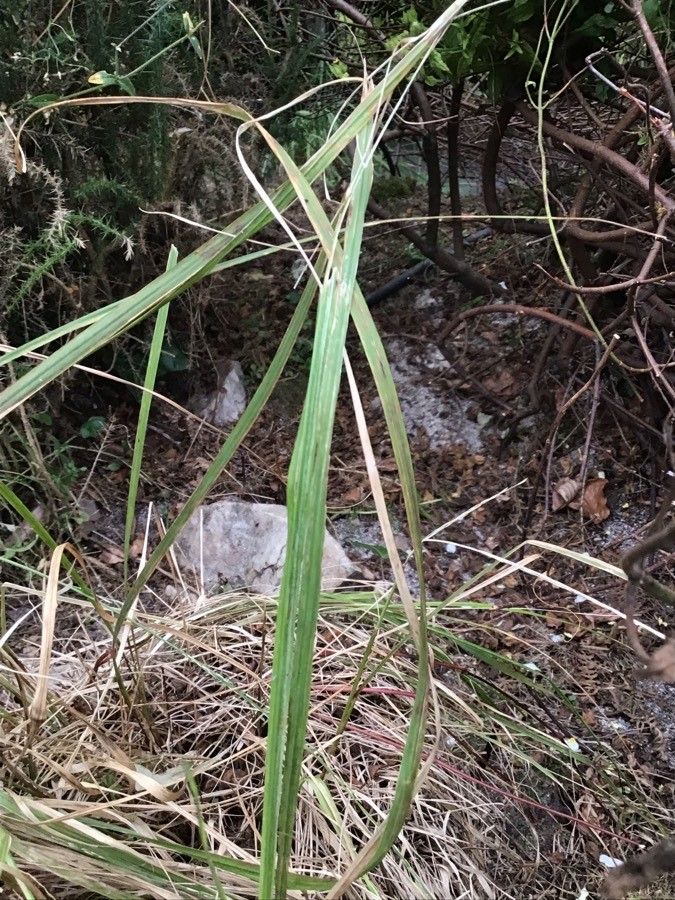
Hello, fellow plant lovers! I’m so excited to chat with you today about a grass that brings such a wonderful texture and movement to the garden: Arrhenatherum longifolium. It’s truly a charmer, with its fine, arching foliage that dances in the slightest breeze. If you’re looking to expand your collection or share this beauty with friends, propagating it is incredibly rewarding. And guess what? It’s a pretty approachable plant to propagate, even if you’re just starting out on your green-thumb journey.
The Best Time to Start
When it comes to getting the most bang for your buck with Arrhenatherum longifolium, I’ve found that early spring is your golden ticket. This is when the plant is waking up from its winter slumber and has plenty of energy to put into new growth. You’ll have the best success if you propagate just as new shoots are beginning to emerge. Aim for this time for divisions, and for cuttings, when the growth is still tender and supple.
Supplies You’ll Need
Before we get our hands dirty, let’s gather our trusty tools. Here’s what you’ll want to have on hand:
- Sharp pruning shears or a clean knife: For making neat cuts.
- Seed starting mix or a well-draining potting mix: Something light and airy is crucial. You can even mix in some perlite or coarse sand.
- Small pots or trays: With drainage holes, of course!
- Rooting hormone (optional but recommended): Especially helpful for cuttings.
- Watering can or spray bottle: For gentle watering.
- Labels: To keep track of your precious new plants!
Propagation Methods
Let’s get to the fun part! Arrhenatherum longifolium is happily propagated through division, which is often the easiest and most successful method for this grass.
Division: Splitting the Squad
This is my go-to for Arrhenatherum longifolium. It’s like giving your plant a little haircut and a friend at the same time!
- Gently excavate: Carefully dig up the entire clump of Arrhenatherum longifolium. It’s best to do this when the soil is slightly moist, not bone dry or waterlogged. This makes it easier to loosen the soil.
- Shake off excess soil: Loosen as much of the soil from the roots as you can. You want to see where the natural divisions are.
- The big split: You can do this a few ways. For smaller clumps, you might be able to gently pull the root ball apart with your hands. For larger, tougher clumps, use your sharp pruning shears or knife to cut through the root ball, ensuring each new section has a good mix of roots and shoots. Aim for divisions that are at least a few inches across.
- Replant immediately: Pot up your new divisions in your chosen potting mix. Water them in thoroughly.
The “Secret Sauce” (Pro Tips for Success)
Here are a few things I’ve learned over the years that can really boost your propagation game:
- Don’t overwater the divisions: While they need moisture, soggy soil is the enemy! Let the top layer of soil dry out slightly between waterings. New root growth needs oxygen, and waterlogged soil suffocates it.
- Give them a cozy home: New divisions benefit from being kept in a slightly shaded spot for the first week or two. Direct, hot sun can stress them out before they’ve established new roots.
- Think like a baby plant: Imagine what a tiny, vulnerable seedling needs. It’s gentle care, consistent moisture, and protection. Don’t rush them; they’re working hard to put down roots.
Aftercare & Troubleshooting
Once your divisions are planted, they’ll need a little TLC to get established. Keep the soil consistently moist but not waterlogged. You’ll start to see new shoots emerging, which is a great sign!
The most common issue you might encounter is rot. This usually happens from overwatering or poor drainage. If you see your new growth looking limp, yellowing, or mushy at the base, it’s a sign something’s off. Pull the plant out, check the roots, and replant in fresh, drier soil. If it’s too far gone, unfortunately, you may need to start again.
A Warm Wrap-up
Propagating Arrhenatherum longifolium is such a satisfying way to connect with your garden and share its beauty. Be patient with your new plants. They need a little time to settle in and grow strong. Enjoy the process, celebrate every new shoot, and soon you’ll have a whole patch of this lovely grass to admire! Happy gardening!
Resource: