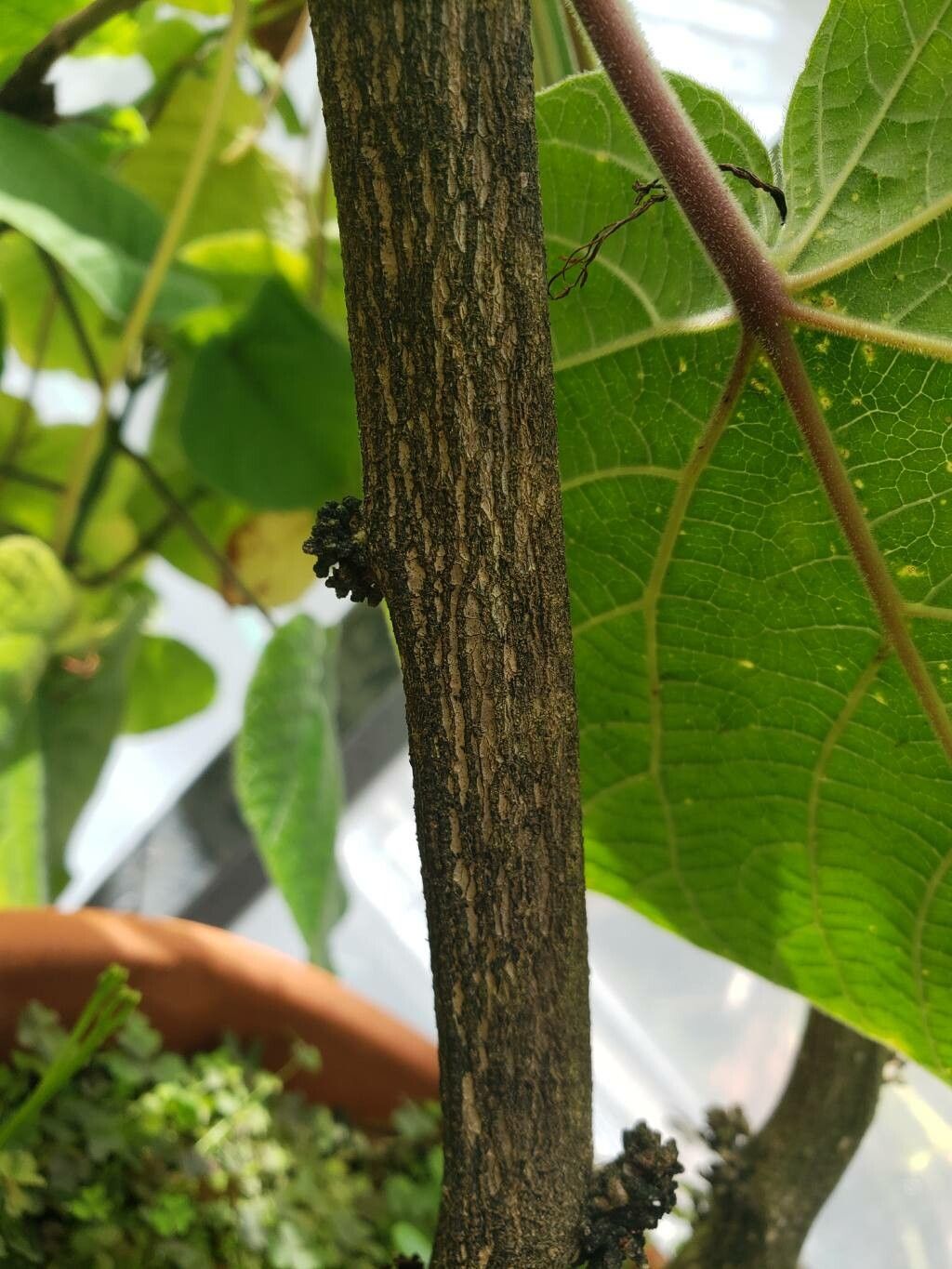
Oh, hello there! Come on in, grab a cup of tea, and let’s chat about one of my favorite tropical beauties: Argyreia nervosa, also known as Hawaiian Woodrose. If you’ve ever seen this vine with its stunning, silvery-backed leaves and delicate trumpet-shaped flowers, you know why I adore it. There’s something truly magical about its lush, vining habit. And the best part? Getting more of these beauties to grow is incredibly rewarding. Now, I won’t lie to you, Argyreia nervosa can be a little bit of a diva sometimes, but with a few key techniques, we can coax it into sharing its magic. For beginners, it’s not the absolute easiest, but it’s definitely achievable with a bit of patience and the right approach.
The Best Time to Start
For the highest success rates, we really want to take cuttings when the plant is actively growing. Think late spring through summer. The warmer temperatures and longer daylight hours give those young stems the energy they need to root. You’re looking for stems that are semi-hardwood – not brand new and floppy, but not woody and old either. They should feel a bit firm, but still have some flexibility.
Supplies You’ll Need
Gathering your tools before you start makes the whole process so much smoother! You’ll want:
- Sharp, clean pruning shears or a sharp knife: Essential for making clean cuts.
- Rooting hormone (optional, but helpful): Especially if you’re new to propagation, this can give your cuttings a real boost. Look for one with IBA.
- A well-draining potting mix: I like a blend of peat moss, perlite, and a little bit of compost. You could also use a pre-made seed starting mix.
- Small pots or trays with drainage holes: Cleanliness is key here!
- A clear plastic bag or propagation dome: To keep humidity high.
- Watering can or spray bottle: For gentle watering.
Propagation Methods
While you can try growing Argyreia nervosa from seed, I find stem cuttings to be the most reliable and quickest way to get new plants started. It also ensures you get an exact clone of your parent plant.
Stem Cuttings
- Select your stems: Head out to your Argyreia nervosa and look for those semi-hardwood stems. You’re aiming for pieces that are about 4-6 inches long.
- Make the cut: Using your clean shears, make a clean cut right below a leaf node (that little bump where a leaf attaches to the stem). This is where the magic happens for root development.
- Prepare the cuttings: Gently remove the lower leaves, leaving just two or three at the very top. If the leaves are very large, you can even cut them in half to reduce water loss.
- Apply rooting hormone (if using): Dip the cut end of the stem into your rooting hormone powder, tapping off any excess.
- Plant your cuttings: Fill your small pots with your prepared potting mix. Make a small hole in the center with your finger or a pencil. Carefully insert the cutting into the hole, ensuring the leaf nodes that were closest to the cut are buried in the soil. Gently firm the soil around the base of the cutting.
- Water gently: Give the soil a good, gentle watering until you see water coming out of the drainage holes.
Water Propagation (A Visual Treat!)
Some people love to watch their cuttings root in water, and Argyreia nervosa can sometimes oblige!
- Prepare your cuttings: Follow steps 1-3 from the stem cutting method.
- Place in water: Put the cuttings in a clear jar or glass of lukewarm water. Make sure the water level covers at least one or two leaf nodes.
- Change the water regularly: This is crucial! Change the water every 2-3 days to keep it fresh and prevent rot.
- Look for roots: You should start to see tiny white roots emerging from the nodes within a few weeks. Once the roots are about an inch long, you can carefully transplant them into pots with soil, following the steps in the “Aftercare” section.
The “Secret Sauce” (Pro Tips)
Here are a few tricks I’ve learned over the years that can really make a difference:
- Bottom heat is your friend! If you can, place your pots on a heat mat set to around 70-75°F (21-24°C). This warmth from below encourages root development like nothing else.
- Don’t let the leaves touch the water (in water propagation): If you’re using the water method, any leaves submerged in water are prime candidates for rot. Nip them off before they have a chance to cause trouble.
- Mist, mist, mist! While you want to keep the humidity high around your cuttings, avoid over-watering the soil. A light misting of the leaves once or twice a day, especially if you don’t have a dome, can prevent them from drying out.
Aftercare & Troubleshooting
Once you start seeing signs of new growth, or roots emerging from the drainage holes, you’re on the right track!
- Gradually acclimate: If you’ve been using a plastic bag or propagation dome, start opening it up for longer periods each day over a week. This helps the new little plants get used to drier air.
- Watering: Keep the soil consistently moist, but not soggy. Allow the top inch of soil to dry out slightly between waterings.
- Light: Place your newly rooted cuttings in bright, indirect light. Avoid direct, scorching sun until they are well-established.
- Troubleshooting: The most common issue you’ll face is rot. If you see your cuttings turning mushy, black, or slimy, it’s likely due to overwatering or poor air circulation. Sadly, once rot sets in, it’s often too late. Prevention is key: ensure excellent drainage, change water regularly, and ease up on the watering if the soil stays waterlogged. Yellowing leaves can sometimes mean too much or too little water, or not enough light. Observe your plants!
A Little Patience Goes a Long Way
Propagating plants is a journey, and it’s so satisfying to nurture a new life from just a cutting. Don’t get discouraged if every single one doesn’t make it. Celebrate the successes, learn from any setbacks, and most importantly, enjoy the process of watching your Hawaiian Woodrose babies grow. Happy propagating!
Resource:
https://identify.plantnet.org/k-world-flora/species/Argyreia%20nervosa%20(Burm.f.)%20Bojer/data