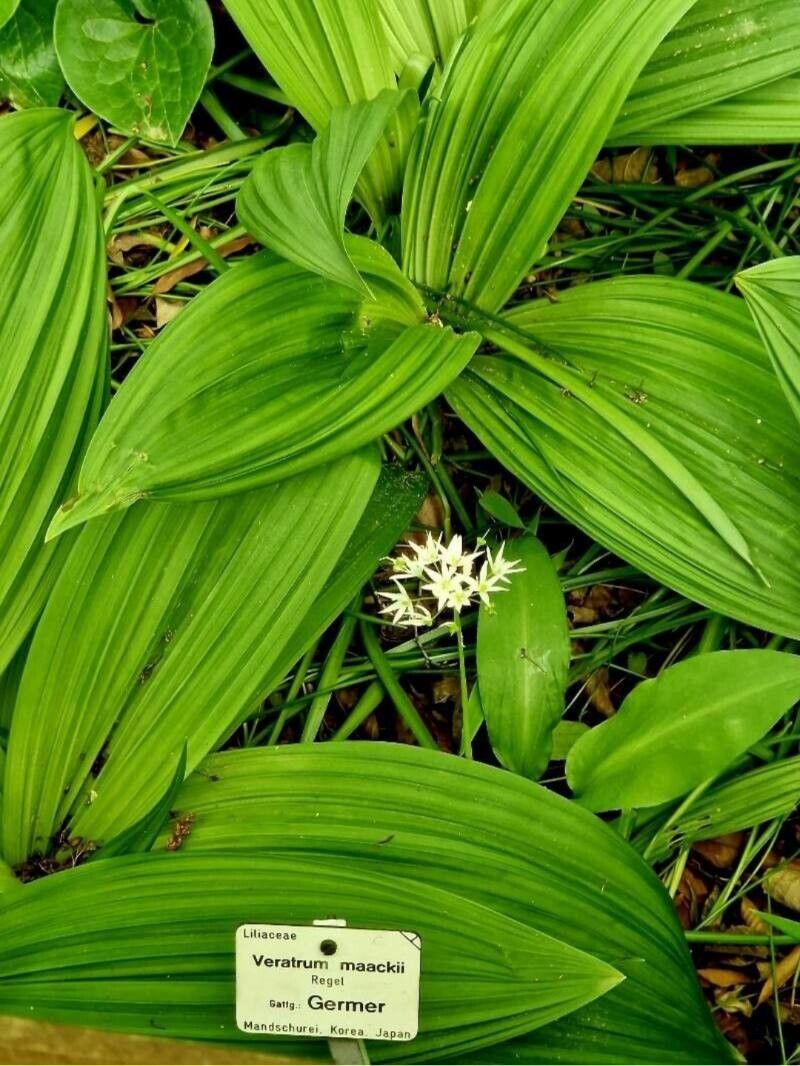
Hello fellow garden lovers! Today, we’re diving into the fascinating world of propagating Veratrum maackii, often called Maack’s False Hellebore. I’ve spent many years tending to these magnificent plants, and I can tell you, there’s something truly special about coaxing a new life from an existing one.
Veratrum maackii brings such a dramatic presence to the garden. Those bold, architectural leaves and stately flower spikes are simply breathtaking. Propagating them is a fantastic way to fill out your own beds or share these beauties with friends. Now, let’s be honest. For beginners, Veratrum maackii can be a bit of a challenge. It’s not quite as straightforward as a coleus cutting, but with a little patience and the right approach, you absolutely can succeed!
The Best Time to Start
For the highest chance of success with Veratrum maackii, pay close attention to its dormancy. The ideal time to propagate is in early spring, just as the plant is beginning to stir from its winter rest. You want to catch it before it puts too much energy into new top growth. Dividing the existing clumps when they are still relatively compact is your golden ticket.
Supplies You’ll Need
Gathering your tools beforehand makes the whole process so much smoother. Here’s what I usually have on hand:
- Sharp, clean pruning shears or a small trowel: For making clean cuts or dividing root balls.
- Well-draining potting mix: I prefer a mix of equal parts peat moss, perlite, and compost. Some gardeners also like to add coarse sand.
- A good quality spade or garden fork: For carefully loosening the soil around the parent plant.
- Small pots or containers: Clean ones are a must!
- Rooting hormone (optional, but recommended): A powdered or liquid hormone can give your cuttings an extra boost.
- Watering can with a fine rose: For gentle watering.
- Labels and a permanent marker: To keep track of what you’ve planted.
Propagation Methods
The most successful method for Veratrum maackii is division. This plant doesn’t readily take to stem cuttings or water propagation due to its rhizomatous nature.
Division Steps:
- Prepare the Parent Plant: In early spring, before significant new growth emerges, carefully dig around the base of your established Veratrum maackii. Use a spade or garden fork to loosen the soil, working your way outwards from the crown. The goal is to lift the entire plant without damaging the roots too much.
- Gently Separate: Once the plant is out of the ground, examine the root ball. You’ll likely see several sections or crowns connected by rhizomes. Use your hands to gently pull these apart. If they are tightly bound, a sharp, clean spade or trowel can be used to carefully cut through the rhizomes. Ensure each division has at least one healthy bud or eye and a decent amount of root attached.
- Apply Rooting Hormone (Optional): If you’re using rooting hormone, dip the cut ends of each division into the powder or liquid. Tap off any excess.
- Replant Your New Divisions: Fill your clean pots with your prepared, well-draining potting mix. Make a hole in the center large enough to accommodate the roots of your division. Place the division in the hole, ensuring the bud or eye is just at or slightly below the soil surface.
- Water Gently: Water the newly potted divisions thoroughly, but avoid waterlogging the soil. You want the soil to be moist, not soggy.
The “Secret Sauce” (Pro Tips)
After years of trial and error, I’ve picked up a few tricks that really seem to help.
- Don’t rush the division: Even though I advise early spring, if the ground is still frozen or extremely wet, it’s better to wait a few more days. Trying to divide in muddy, soggy conditions can lead to root rot and damage. Patience here is key.
- Give them a little warmth: While not strictly necessary, placing your newly potted divisions in a slightly warmer spot, like a greenhouse or a protected corner that gets morning sun, can encourage faster root development. Avoid direct, scorching afternoon sun.
- Mulch, mulch, mulch! Once your divisions are back in their permanent garden spots (after they’ve established a bit), a good layer of mulch will help retain moisture and suppress weeds. This is especially important for these larger-leaved plants.
Aftercare & Troubleshooting
Once roots have formed and new growth is visible, you’re on your way! Continue to water regularly, especially during dry spells. The soil should be kept consistently moist but never waterlogged. If you’ve kept them in pots, you can gradually acclimate them to outdoor conditions before planting them in their final spot in the garden.
The most common issue you’ll encounter is rot. This is almost always due to overwatering or poor drainage. If you see your division wilting, the leaves turning yellow and mushy, or a foul odor coming from the soil, it’s likely rot has set in. In this case, it’s often best to discard the affected material to prevent it from spreading. Don’t be too hard on yourself; even experienced gardeners lose plants sometimes!
A Warm Closing
Propagating Veratrum maackii is a journey, not a race. It requires a bit of finesse and, most importantly, patience. Cherish the process of nurturing these new plants, and don’t be discouraged if your first attempt isn’t perfect. With each division and each growing season, you’ll gain more confidence. Happy gardening!
Resource:
https://identify.plantnet.org/k-world-flora/species/Veratrum%20maackii%20Regel/data