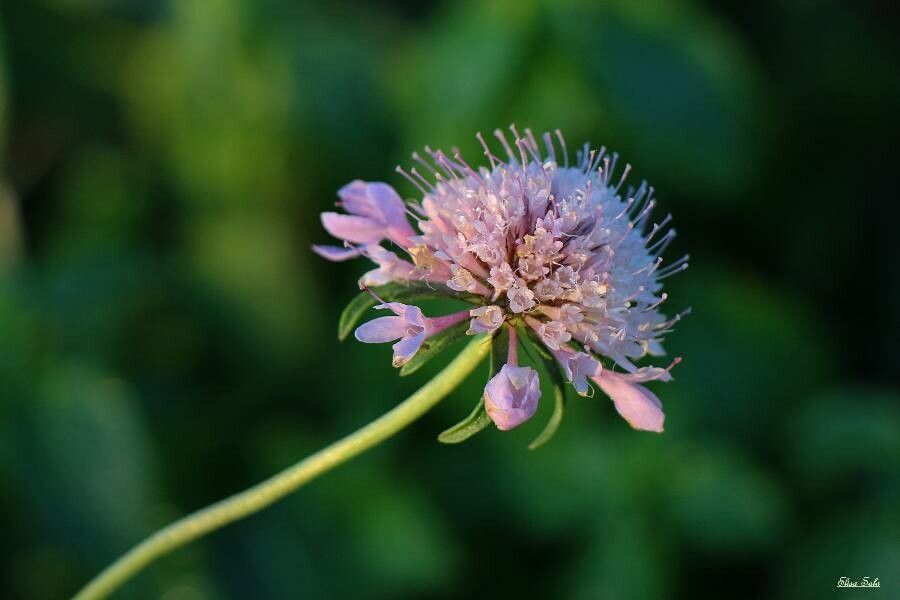
Hello green thumbs! Let’s talk about Scabiosa cinerea. If you’re drawn to that airy, pincushion look, you’re in for a treat. The Scabiosa cinerea, often called the Pincushion Flower, brings such a delicate charm to the garden. It’s a wonderful plant that attracts pollinators and adds a touch of prairie wildflower beauty. Growing more of them is not only rewarding but also surprisingly achievable, even if you’re just starting out!
The Best Time to Start
For Scabiosa cinerea, the sweet spot is usually late spring to early summer. This is when the plant is actively growing and has plenty of energy to put into new roots. You’re looking for healthy, non-flowering shoots. Think nice and firm, not woody or floppy.
Supplies You’ll Need
Here’s what I always have on hand when I’m getting ready to propagate:
- Sharp pruning shears or a clean knife: For taking clean cuts.
- Rooting hormone (powder or gel): This is a little boost to encourage those roots to form.
- Small pots or trays: With drainage holes, of course!
- A good quality seed-starting mix or a blend of perlite and peat moss: You want something light and airy.
- A watering can with a fine rose attachment or a spray bottle: For gentle watering.
- Plastic bags or a propagator lid: To create a humid environment.
- (Optional) Bottom heat mat: For an extra kick start on rooting.
Propagation Methods
I find that stem cuttings are the most reliable way to propagate Scabiosa cinerea and get a good success rate. Here’s how I do it:
- Take Your Cuttings: Choose healthy, non-flowering side shoots. They should be about 3-4 inches long. Using your clean shears or knife, make a cut just below a leaf node. A leaf node is where a leaf attaches to the stem – this is where roots can emerge. Remove the lower leaves, leaving just 2-3 at the top.
- Apply Rooting Hormone: Dip the cut end into rooting hormone, tapping off any excess. This is a crucial step that really helps those little roots get going.
- Plant Your Cuttings: Fill your small pots with your prepared soil mix. Make a small hole in the center with your finger or a pencil. Gently insert the cutting into the hole, ensuring the nodes where you removed the leaves are buried in the soil. Firm the soil gently around the stem.
- Create Humidity: Water the soil gently. Then, cover the pot with a clear plastic bag or a propagator lid. This traps moisture and keeps the humidity high, which cuttings love. Poke a few small holes in the bag for a little air circulation.
- Find a Good Spot: Place the pots in a bright location but out of direct sunlight. Too much sun can scorch your delicate cuttings. If you have a bottom heat mat, now is the time to use it!
The “Secret Sauce” (Pro Tips)
Over the years, I’ve picked up a few tricks that seem to make a difference:
- Don’t let the leaves touch the water (if doing water propagation, though I prefer soil): If you ever try water propagation and leaves are submerged, they tend to rot, which can take down your whole cutting. So, keep those leaves nice and dry!
- Mist regularly: Even with the plastic bag, I like to give the cuttings a light misting with water every couple of days. It just keeps things fresh and humid.
- Be patient with the bottom heat: If you’re using a heat mat, don’t be tempted to crank it up. A gentle, consistent warmth is far more effective than intense heat.
Aftercare & Troubleshooting
Once you start to see new growth, that’s a good sign that roots are forming! You might gently tug on a cutting after about 3-4 weeks. If there’s resistance, you’ve got roots!
When you see those roots, it’s time to gradually acclimate your new plants to the outside air. Start by taking the plastic bag off for increasingly longer periods each day. Once they’re looking robust and have established some healthy foliage, you can transplant them into slightly larger pots or into their final garden spot.
The most common problem I see is rot. If your cuttings turn black and mushy, it’s usually due to too much moisture and not enough air circulation, or perhaps they’re sitting in too much direct sun. Make sure your pots drain well and you’re not overwatering.
A Encouraging Closing
Propagating plants is a journey, and sometimes there are a few hiccups along the way. Don’t get discouraged if not every cutting takes. Every gardener has had cuttings fail! Just keep at it, observe your plants, and celebrate each success. Enjoy the process, and soon you’ll have a whole lot more of that beautiful Scabiosa cinerea to share and enjoy!
Resource:
https://identify.plantnet.org/k-world-flora/species/Scabiosa%20cinerea%20Lapeyr.%20ex%20Lam./data