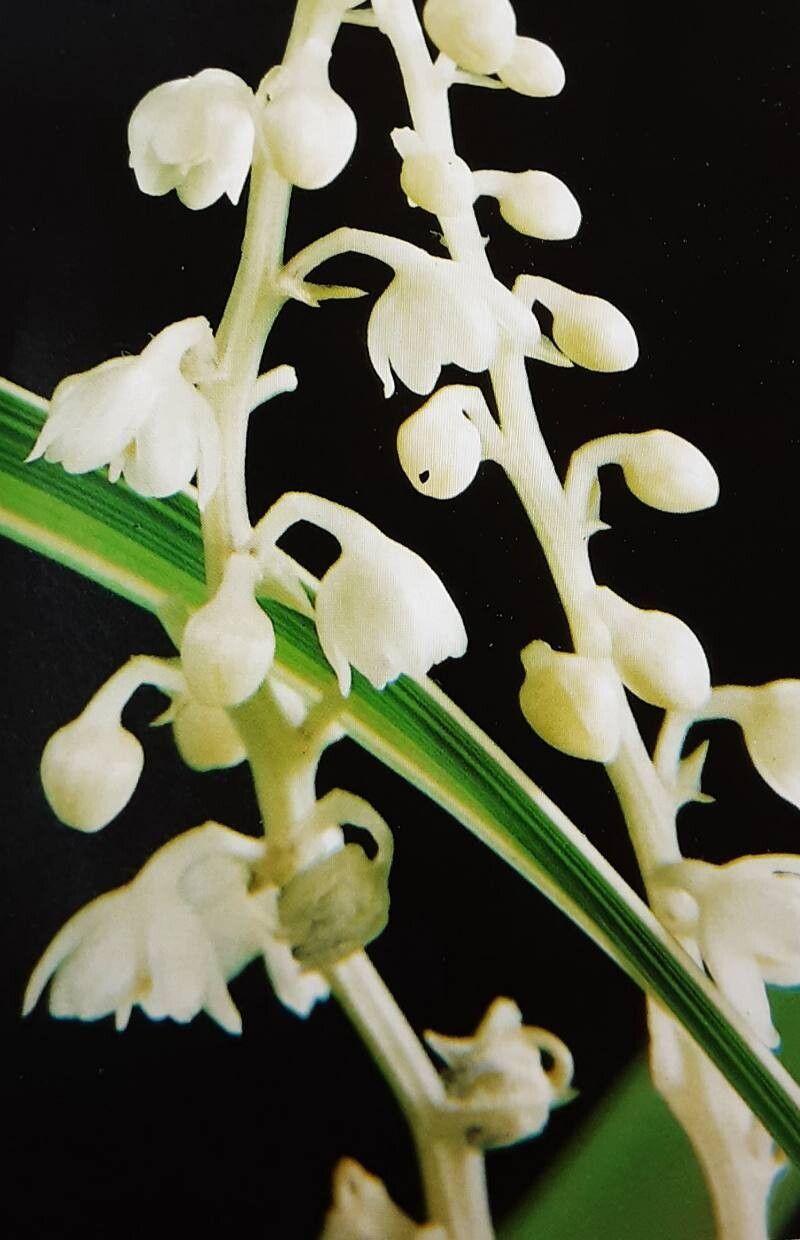
Hello there, fellow plant enthusiasts! I’m thrilled to share my years of experience with you today. We’re going to dive into the wonderful world of Ophiopogon intermedius, often called Dwarf Lilyturf or Mondo Grass.
Why You’ll Love Propagating Ophiopogon Intermedius
This little gem is an absolute workhorse in the garden. Its neat, grass-like foliage provides year-round structure and a lovely deep green contrast. It’s wonderfully adaptable, happy in sun or shade, and just generally low-maintenance. Propagating it is incredibly rewarding, especially since it’s quite an easy plant to get started with, even for those of you who are just dipping your toes into the world of gardening. Seeing a new plant emerge from a small piece of a parent is pure magic!
When to Get Your Hands Dirty
The absolute best time to propagate Ophiopogon intermedius is in the spring or early summer, when the plant is actively growing. You’ll want to start after the risk of frost has passed and the soil is warming up. This gives your new divisions or cuttings plenty of time to establish before the cooler weather arrives.
Your Propagation Toolkit
You won’t need a whole lot of fancy equipment for this. Here’s what I find most helpful:
- Sharp Pruning Shears or a Knife: For clean cuts.
- Potting Mix: A good quality, well-draining potting mix is key. I often add a bit of perlite or coarse sand to my regular potting soil to ensure excellent drainage.
- Small Pots or Trays: For your new plants. Terracotta pots are great because they breathe.
- Watering Can with a Fine Rose: For gentle watering.
- (Optional) Rooting Hormone: While not strictly necessary for division, it can give cuttings a little boost.
- Labels and a Marker: Trust me, you’ll thank yourself later for labeling what you’ve propagated and when!
Let’s Get Propagating!
Here are the most common and successful ways to multiply your Ophiopogon intermedius:
Method 1: Division – The Easiest Way
This is hands-down the simplest and most effective method. Ophiopogon intermedius spreads by rhizomes (underground stems), forming clumps over time.
- Excavate the Clump: Gently dig up a mature clump of your Ophiopogon. You can do this with your hands or by using a spade if the clump is large.
- Clean Off Excess Soil: Gently shake or rinse away some of the soil so you can see the rhizomes and the root structure.
- Separate the Divisions: With your hands, or by using your pruning shears or a sharp knife, carefully pull or cut apart sections of the clump. Each division should have a good amount of roots and some healthy foliage. Aim for sections that are a manageable size.
- Replant Immediately: Plant your new divisions directly into pots filled with your well-draining potting mix, or back into the garden where you want them to grow. Water them thoroughly.
Method 2: Seed Propagation (Less Common but Possible)
While not as common for gardeners, you can grow Ophiopogon from seed.
- Collect Seeds: If your plant produces blue-black berries, you can collect the seeds from inside.
- Stratify Seeds: These seeds often require a period of cold stratification to germinate. Mix the seeds with some slightly damp peat moss or sand and place them in a plastic bag in the refrigerator for 2-3 months.
- Sow Seeds: After stratification, sow the seeds in a seed-starting mix. Keep the soil moist and warm.
- Patience is Key: Germination can be slow and erratic.
My “Secret Sauce” – Gardener’s Wisdom
Here are a few tricks I’ve picked up that really make a difference:
- Don’t Overcrowd Your Divisions: When replanting divisions, give them a little breathing room. They need space to establish their roots and grow without competing too much with their siblings.
- Water Wisely After Division: It’s easy to overwater after replanting, thinking you’re helping. Instead, water thoroughly right after planting, and then let the soil dry out slightly between waterings. This encourages the roots to seek out moisture and grow stronger.
- Consider a Light Mulch: For divisions planted directly in the ground, a light layer of mulch can help retain moisture and suppress weeds, giving your new plants the best chance.
Babying Your New Sprouts & What to Watch For
Once your Ophiopogon intermedius has been divided and replanted, give it consistent moisture, especially during the first few weeks. Avoid letting it dry out completely, but also steer clear of waterlogged soil.
The most common problem you might see is rot, often caused by overwatering or poor drainage. If you notice the foliage turning yellow and mushy, or if the rhizomes feel soft and slimy, you’ve likely got rot. In this case, you might be able to salvage any healthy parts by cutting away the rotten bits and replanting them in fresh, dry soil.
Keep Growing!
Propagating Ophiopogon intermedius is a simple joy. Be patient with your new plants; they might take a little while to show vigorous new growth, but they’re resilient. Enjoy the process of nurturing these little green shoots into mature plants. Happy gardening!
Resource:
https://identify.plantnet.org/k-world-flora/species/Ophiopogon%20intermedius%20D.Don/data