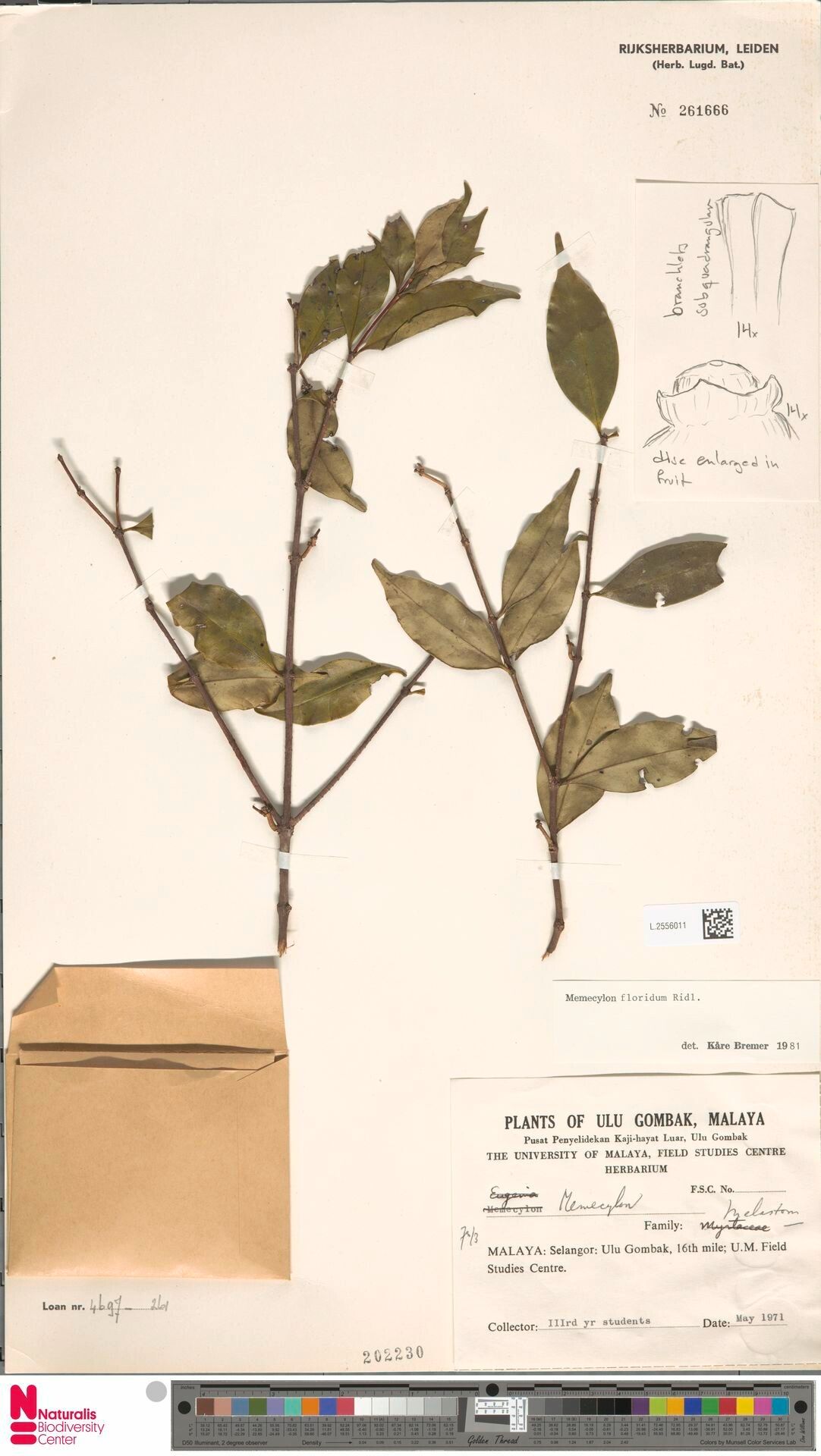
Ah, Memecylon floridum! What a treat you are, with your delicate, star-shaped flowers and lovely evergreen foliage. If you’ve fallen for this beauty at first sight, you’re not alone. I’m always thrilled when gardeners want to bring more of these natural wonders into their lives, and propagating them is a truly rewarding journey. It lets you multiply that joy, and honestly, seeing a tiny cutting transform into a new plant is one of gardening’s quiet miracles. Now, is it an easy win for the absolute beginner? I’d say it leans towards moderately easy. It’s not quite as forgiving as a pothos, but with a little attention, you absolutely can succeed!
The Best Time to Start
For Memecylon floridum, my favorite time to get propagating is during its active growing season, which really kicks into gear in late spring and early summer. You’re looking for stems that are semi-hardened – not so soft and floppy that they wilt instantly, but not so woody and old that they’re too tough to root. Think of a pencil; if it’s a little stiff but still has a bit of give, that’s the sweet spot. Starting then gives your cuttings the best chance to establish themselves before the cooler weather arrives.
Supplies You’ll Need
Here’s what I like to have on hand before I get started:
- Sharp Pruning Shears or a Clean Knife: For taking clean cuts, which is crucial for good rooting.
- Rooting Hormone (Optional but Recommended): A powder or gel can really give your cuttings a boost.
- A Well-Draining Potting Mix: I usually do a 50/50 blend of perlite and a seed-starting mix or peat moss. This keeps things airy and prevents waterlogging.
- Small Pots or Trays: Clean containers with drainage holes are a must.
- A Clear Plastic Bag or Dome: To create a mini-greenhouse effect and keep humidity high.
- Watering Can or Spray Bottle: For gently moistening your potting mix.
- Labels and a Pen: To keep track of what you’ve planted and when.
Propagation Methods
I find two methods work best for Memecylon floridum.
Stem Cuttings
This is my go-to for multiplying this plant.
- Select Your Cuttings: Find those semi-hardened stems I mentioned. Look for healthy growth without flowers or buds, if possible.
- Make the Cut: Using your sharp pruners, take cuttings about 4-6 inches long. Make the cut just below a leaf node (where leaves attach to the stem). This is often where the magic happens for rooting.
- Prepare the Cuttings: Gently remove the lower leaves, leaving just a couple at the very top. This prevents them from rotting in the soil.
- Apply Rooting Hormone (If Using): Dip the cut end into the rooting hormone, tapping off any excess.
- Pot Them Up: Fill your clean pots with the well-draining mix. Make a small hole with a pencil or your finger, and insert the cutting into the soil, ensuring the nodes where you removed leaves are buried. Gently firm the soil around it.
- Water Gently: Water thoroughly but gently, so you don’t dislodge the cuttings.
- Create a Humid Environment: Place the pots inside a clear plastic bag, sealing it loosely, or use a propagator lid. This traps moisture and keeps the cuttings from drying out. Place them in a spot with bright, indirect light.
Water Propagation (For the Patient Ones!)
While I usually prefer soil for Memecylon, some find success with this simpler method.
- Select and Cut: Follow steps 1 and 2 above for selecting and cutting your stems.
- Prepare the Cuttings: Remove all leaves except for the top two or three.
- Place in Water: Fill a clean jar or vase with fresh water. Submerge the lower leaf nodes of the cutting.
- Change Water Regularly: This is key! Change the water every few days to keep it fresh and prevent bacterial growth.
- Location: Place the jar in bright, indirect light.
The “Secret Sauce” (Pro Tips)
Here are a few things I’ve learned over the years that make a real difference:
- The “Wiggle Test” for Soil Moisture: Instead of just poking my finger in, I gently wiggle the cutting. If it feels firm and stays put, the soil is ready. If it feels loose or wobbly, it needs more time to root.
- Bottom Heat! If I can, I’ll pop my pots onto a gentle heat mat designed for seedlings. This little bit of warmth from below encourages root development much faster. It’s like a cozy spa day for your cuttings!
- Don’t Rush to Transplant: Even if you see a good amount of roots in water, wait until they are well-established and have several healthy roots that are a few inches long before moving them to soil. Transplanting too early is a common cause of failure.
Aftercare & Troubleshooting
Once you see signs of new growth – tiny leaves emerging from the top – that’s a great indicator your cutting has rooted! For soil-propagated cuttings, this might take 4-8 weeks. For water cuttings, it may be sooner, but remember that crucial waiting period before potting.
Transitioning to Soil (from Water): When your water-rotted cuttings have strong roots, gently pot them into your well-draining mix. Keep them in that humid environment for another week or so as they adjust.
General Aftercare: Continue to keep your new plants in bright, indirect light. Water them when the top inch of soil feels dry. Avoid overwatering, as this is the quickest way to invite problems. Don’t fertilize them too soon; wait until they’ve established a good bit of growth.
Troubleshooting: The most common issue you’ll face is rot. If a cutting turns mushy and black, or the leaves start to yellow and fall off rapidly, it’s usually a sign of too much moisture, poor drainage, or not enough air circulation. If you see signs of rot, try to remove the affected cutting immediately to prevent it from spreading. Ensure your soil drains well and that the environment isn’t constantly soggy.
A Encouraging Closing
Propagating Memecylon floridum is a journey, not a race. There will be times you wonder if anything is happening, and that’s perfectly normal. Be patient with your little charges, observe them closely, and celebrate every small success. The satisfaction of nurturing a new plant from just a piece of its parent is truly special. Happy propagating!
Resource:
https://identify.plantnet.org/k-world-flora/species/Memecylon%20floridum%20Ridl./data