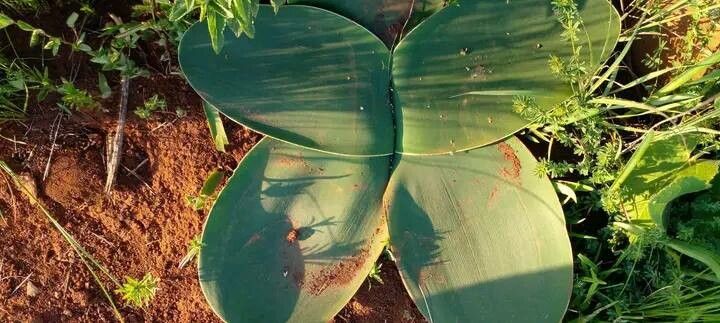
Oh, hello there! Pull up a chair. Let’s chat about one of my absolute favorite garden treasures: Haemanthus sanguineus. You know, the one with those stunning, bold crimson flowers that just pop against the deep green foliage? They bring such a dramatic flair to the garden, don’t they? And the best part? Sharing them! Propagating Haemanthus sanguineus can feel a bit like uncovering a magic trick, and the reward of seeing those tiny new bulbs emerge is truly special.
Now, I won’t sugarcoat it – for the absolute beginner, Haemanthus sanguineus might present a slight learning curve. They’re not as hands-off as some of the more common houseplants. But with a little patience and some know-how, you’ll be well on your way to a whole collection!
The Best Time to Start
For Haemanthus sanguineus, timing is everything. The absolute best time to get your hands dirty is after the plant has finished flowering and is entering its dormant period. This is typically in late summer or early autumn. During this time, the bulbs are storing energy, making them more resilient and ready to focus on root development without the heavy demands of flowering. Trying to propagate when they’re actively growing or blooming can stress them out.
Supplies You’ll Need
Here’s what I like to have on hand when I’m ready to get propagating:
- Well-draining potting mix: A good blend of equal parts potting soil, perlite, and coarse sand works wonders. You can also find commercial cactus and succulent mixes that do the trick.
- Sharp pruning shears or a clean knife: For making clean cuts. Sterilize them with rubbing alcohol first!
- Small pots or propagating trays: Clean terracotta pots are my personal favorite because they breathe well.
- Rooting hormone (optional but helpful): A powder or gel can give your cuttings a little boost.
- Spray bottle: For gentle watering.
- Labels and a marker: So you don’t forget what you planted where!
- Warm place: A bright windowsill or a heat mat can be beneficial.
Propagation Methods
The most successful way to propagate Haemanthus sanguineus is through division, as they naturally form offsets (or “chicks”) around the main bulb.
Method: Division
- Gently excavate: Carefully dig up the main Haemanthus plant. You want to avoid damaging the bulb or its roots. It’s often easier if the soil is slightly moist rather than bone dry.
- Locate the offsets: Look for smaller bulbs that are attached to the side of the main bulb. They’ll usually have their own set of smaller roots.
- Separate the offsets: Using your clean knife or pruning shears, carefully cut or twist away the offsets from the mother bulb. Make sure each offset has at least a few healthy roots attached. If an offset doesn’t have roots, don’t worry too much; it can still grow, but it will take a bit longer.
- Allow to callus (optional but recommended): Let the cut surfaces of both the offset and the mother bulb dry and callus over for a day or two in a dry, shaded spot. This helps prevent rot when they’re replanted.
- Pot them up: Plant each offset in its own small pot filled with your well-draining mix. The top of the bulb should be just at or slightly above the soil surface.
- Water sparingly: Water very lightly, just enough to settle the soil. You want them to feel a bit dry rather than soggy.
While stem cuttings aren’t the most common method for Haemanthus sanguineus, some dedicated growers have success. If you’re feeling adventurous and want to try:
Method: Stem Cuttings (Experimental)
- Select a healthy, mature leaf: Choose a firm, healthy leaf that has started to emerge from the bulb.
- Make a clean cut: Using your sterilized knife, cut the leaf at its base, as close to the bulb as possible.
- Dry the cutting: Let the cut end dry and callus over for 2-3 days. This is crucial to prevent rot.
- Dip in rooting hormone (optional): If using, lightly dip the callused end into rooting hormone.
- Plant in propagating mix: Stick the callused end about an inch deep into a pot filled with your well-draining mix. You can place 2-3 cuttings per small pot.
- Provide warmth and humidity: Place the pot in a warm location (a heat mat is great here) and cover the pot with a clear plastic bag or dome to maintain humidity.
The “Secret Sauce”
Now, for a couple of little tricks I’ve learned over the years:
- Don’t overwater early on. This is probably the biggest killer of new propagations. Remember, they don’t have established roots yet, so they can’t take up much moisture. Think of it as a light misting or a very shallow watering every week or two, depending on your climate. You want the soil to be barely moist.
- Bottom heat is your friend for cuttings. If you’re trying the leaf cutting method, placing the pot on a gentle heat mat can significantly speed up root formation. It mimics the warmth of the soil the bulb would normally be in. You’re encouraging those roots to get moving!
Aftercare & Troubleshooting
Once your offsets are potted or your cuttings show signs of life (tiny new leaf or root peeking out!), it’s time for patient nurturing.
- Watering: Continue with light, infrequent watering. Allow the top inch of the soil to dry out between waterings. As the roots develop, you can gradually increase watering frequency, but always ensure good drainage. They prefer to dry out a bit than sit in soggy soil.
- Light: Place your new Haemanthus in a bright spot with indirect light. Avoid direct, harsh sun, which can scorch young foliage.
- Troubleshooting:
- Rot: This is the most common culprit. If you see mushy stems or bulbs, it’s usually a sign of overwatering and poor drainage. You might need to dig them up, trim away any rotted parts with a sterile knife, and repot in fresh, dry, well-draining soil.
- No growth: Don’t panic! Some bulbs can take months to show signs of life, especially if they were divided with minimal roots. Just keep them in a bright, suitable spot and resist the urge to overwater.
- Wilting leaves: This can be a sign of too little water, but also too much water can lead to root rot, which then prevents water uptake. Feel the soil – is it dry and crumbly, or wet and heavy?
A Encouraging Closing
Propagating Haemanthus sanguineus is a journey, dear friends. There might be a few little hiccups along the way, but that’s all part of learning and growing. Be patient, observe your new plants, and trust your instincts. The joy of creating new life from an existing treasure is a reward that truly blossoms. Happy propagating!
Resource:
https://identify.plantnet.org/k-world-flora/species/Haemanthus%20sanguineus%20Jacq./data