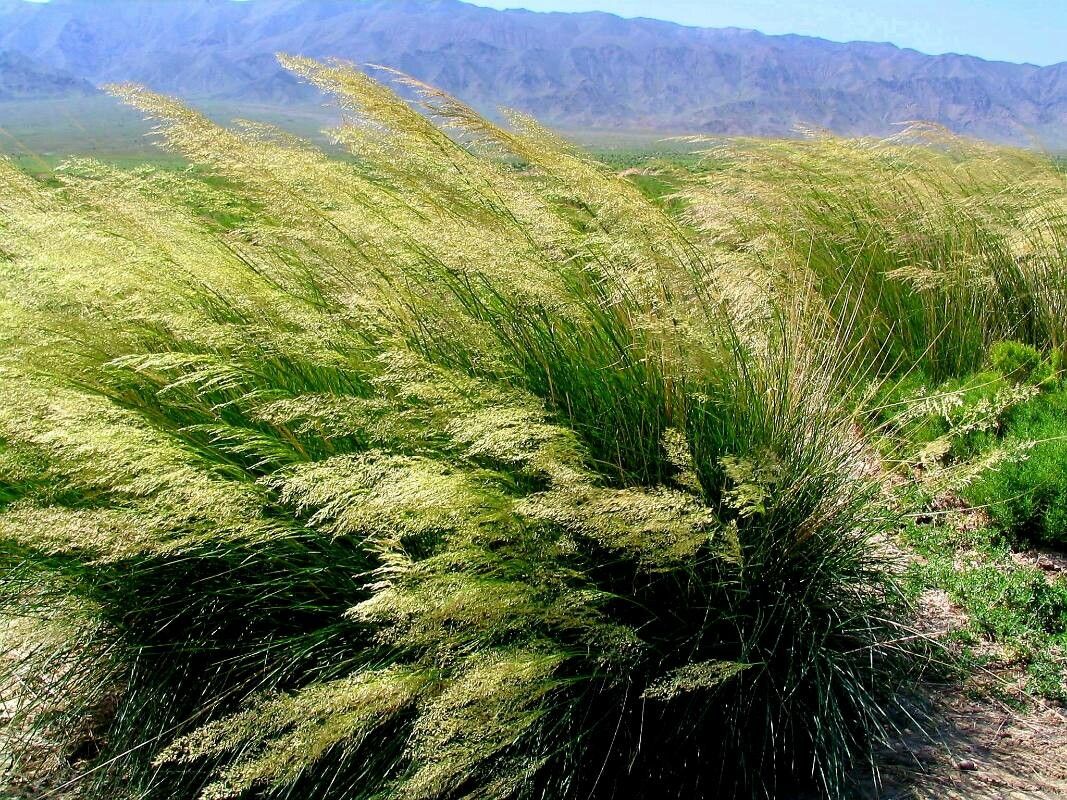
Hello fellow garden enthusiasts! Today, we’re diving into the wonderful world of Deschampsia cespitosa, also known as tufted hair grass. If you’ve ever admired its graceful, airy plumes dancing in the breeze and its compact, grassy mounds, you’re not alone! This native ornamental grass is a fantastic addition to any garden, offering fantastic texture, movement, and a lovely touch of wildness. And the truly rewarding part? Propagating it yourself! It’s a great way to fill your garden beds or share these beauties with friends. For beginners, I’d say Deschampsia is moderately easy to propagate, especially with a few key tips.
The Best Time to Start
The absolute best time to get your Deschampsia propagation journey underway is in the early spring. Think March or April, just as the soil is warming up and new growth is really starting to emerge. This gives your divisions or cuttings plenty of time to establish roots before the heat of summer or the chill of fall sets in. You want to work with a plant that’s actively growing, not stressed from heat or dormancy.
Supplies You’ll Need
Gathering your tools beforehand makes the whole process much smoother. Here’s what I usually have on hand:
- Sharp, clean pruning shears or a trowel: For those crucial divisions.
- A good quality potting mix: I like a mix that’s well-draining, perhaps with some perlite or horticultural grit mixed in. Avoid anything too heavy.
- Small pots or trays: For your new little plants to call home.
- Watering can or spray bottle: For gentle watering.
- Labeling stakes and a pen: Believe me, you’ll thank yourself later!
- Optional: Rooting hormone: While Deschampsia is pretty forgiving, it can give your cuttings a little extra boost.
Propagation Methods
For Deschampsia cespitosa, division is your go-to method, and it’s wonderfully straightforward.
Division Method:
- Excavate gently: In early spring, carefully dig up your mature Deschampsia plant. Try to get a good root ball without disturbing it too much. If it’s a large clump, you might need a spade.
- Inspect and separate: Gently shake off excess soil. You’ll see the plant naturally forms clumps. Using your hands or clean pruning shears, carefully pull or cut the plant into smaller sections. Aim for sections that have both roots and some leafy growth. Don’t be afraid to expose the roots a little; they’re quite resilient.
- Replant or pot: Immediately replant the divisions into their desired garden locations or into pots filled with your prepared potting mix. Make sure the crown of the plant (where the leaves emerge from the roots) is at soil level.
- Water well: Give your newly divided plants a good, thorough watering to help settle the soil around the roots and reduce transplant shock.
The “Secret Sauce” (Pro Tips)
Here are a couple of things I’ve learned over the years that really make a difference:
- Don’t over-divide: While you want decent-sized sections, trying to split a plant into too many tiny bits can stress the mother plant and result in weaker divisions. Aim for pieces that are at least the size of your fist, with a good clump of roots.
- Give them space to breathe: When you pot up divisions, give them a little room. Don’t cram them too tightly. Good air circulation helps prevent fungal issues, which is always a win in my book.
Aftercare & Troubleshooting
Once your divisions are in their new homes, keep them consistently moist, especially during that initial establishment phase. They shouldn’t be soggy, but they shouldn’t dry out either. As they start to show new, vigorous growth, you know they’re happy.
The most common sign of trouble is wilting and browning. This can happen if the plant dries out too much, or sometimes, it’s just transplant shock. If they look a bit sad, a good watering and a little shade for a few days can often perk them up. Occasionally, you might see rot at the base of the plant, especially if the soil is too wet and lacks drainage. This is why that well-draining mix is so important! If you see mushy, dark stems, it’s usually a goner, but don’t be discouraged. Learn from it and try again, perhaps with a lighter soil mix.
A Rewarding Endeavor
Propagating Deschampsia cespitosa is such a wonderful way to expand your garden and connect with nature. Be patient with your new plants; they’re working hard to set down roots. Enjoy the process, and soon you’ll have a whole meadow of these beautiful grasses to admire! Happy gardening!
Resource:
https://identify.plantnet.org/k-world-flora/species/Deschampsia%20cespitosa%20(L.)%20P.Beauv./data